
Sophie Blanchard
French pioneer of ballooning and the first professional female aeronaut, known for solo ascents and spectacular night displays; died in a 1819 balloon accident in Paris.
Overview
Sophie Blanchard (1778–1819) was a French balloon pilot who became the first woman to make a living from aeronautics. Married to an early ballooning pioneer, she continued and expanded public demonstrations of lighter‑than‑air flight, gaining a reputation for solo ascents and illuminated night exhibitions. Blanchard is remembered both for her role in early aviation and for the dramatic accident that ended her life.
Image gallery
6 Images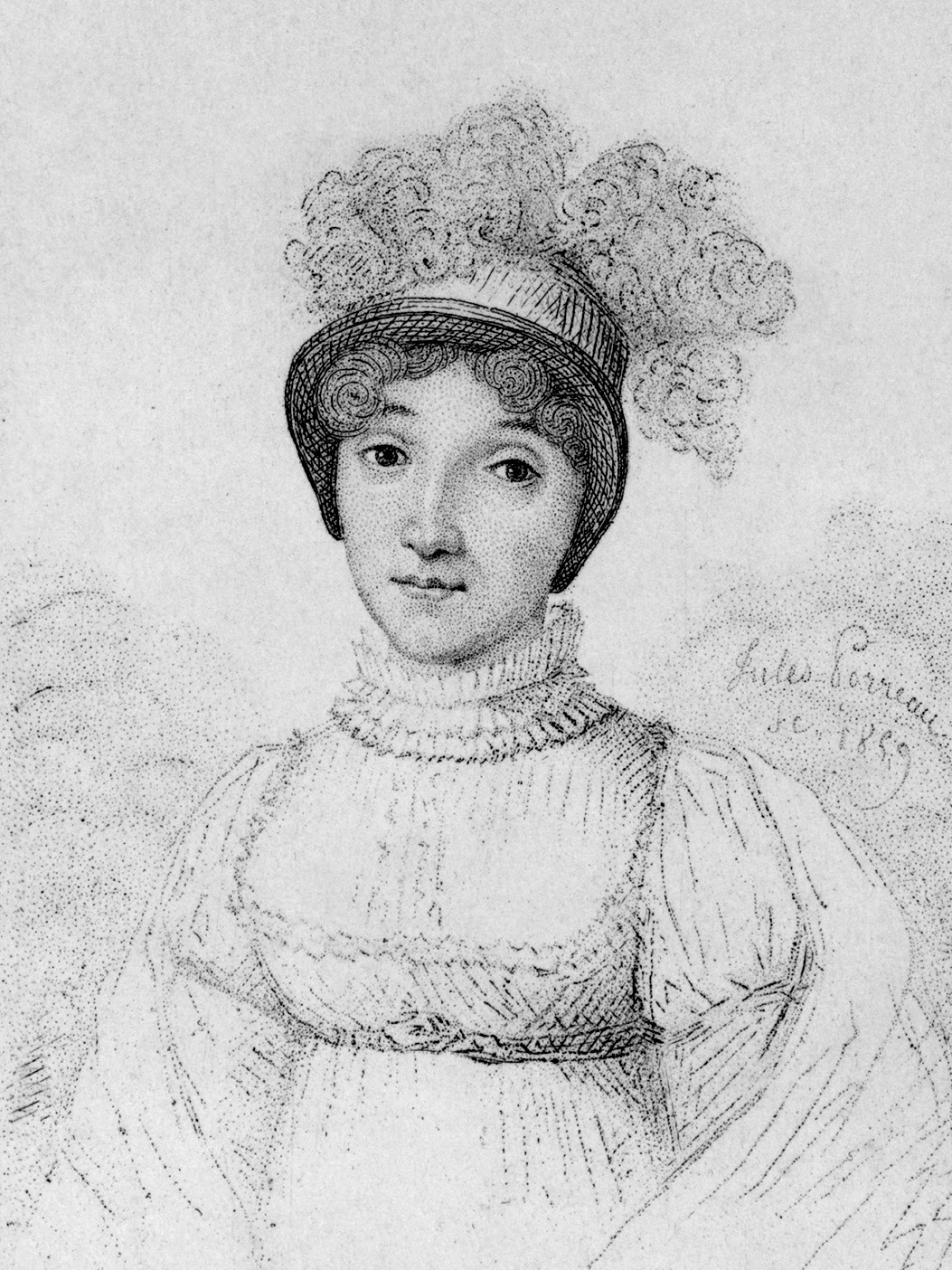


Early life and career
Born in Paris, Blanchard entered ballooning through her marriage to Jean‑Pierre Blanchard, an established experimenter with hydrogen and hot‑air craft. After his death she performed frequently on her own, becoming a professional aeronaut who offered public exhibitions and private ascents. Her work helped transform ballooning from a scientific novelty into popular entertainment in the Napoleonic and Restoration eras.
Techniques, equipment and style
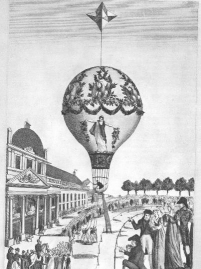
Blanchard's flights employed the standard balloons of her day and often featured dramatic additions: at night she used pyrotechnics and signal rockets to light the sky, creating striking spectacles over Parisian gardens and fairs. Those displays required managing combustible materials near a gas envelope, a risk she accepted in pursuit of more impressive shows. Her performances combined piloting skill, showmanship, and careful attention to wind and weather conditions.
Notable aspects and public role
- First woman widely recognized as a professional aeronaut and exhibition pilot.
- Performed frequent public ascents that attracted audiences and press attention.
- Served as a symbol of early aviation's possibilities and of women's participation in scientific spectacle.
- Her career linked closely to the urban culture of Paris and the public festivals of the time; she is often mentioned alongside other ballooning pioneers such as Jean‑Pierre Blanchard.
Death and legacy
During a nighttime exhibition in Paris in 1819, a fire ignited in or near Blanchard's balloon and she fell to her death. The accident underlined the hazards of early aeronautics, particularly when pyrotechnics were used. Her life and tragic end contributed to a lasting fascination with ballooning’s heroic pioneers and helped inspire later generations of aviators and historians. Her name remains a reference point for discussions of women in aviation and the social history of early flight.
For more contextual information about ballooning history and Blanchard's era, see entries on early aeronautics and contemporary accounts of public festivals of the period. Contemporary sources and later biographies explore both her technical practices and cultural impact in more detail; some resources treat her as a key figure in the transition from experimental ascent to popular aerial spectacle. Also see links related to ballooning and Parisian public life: ballooning, Paris.
Related articles
Author
AlegsaOnline.com Sophie Blanchard Leandro Alegsa
URL: https://en.alegsaonline.com/art/91936