
Sonia Gandhi: Italian-born leader of the Indian National Congress
Overview of Sonia Gandhi, her background, political career, roles in the Indian National Congress and government, public influence, and notable debates about her leadership.
Sonia Gandhi (born Sonia Maino, 9 December 1946) is an Italian-born public figure who became a central leader of the Indian National Congress. Initially known outside politics for her marriage into India’s Nehru–Gandhi family, she entered active political life in the late 1990s and subsequently led one of India’s largest political parties. Contemporary profiles often describe her as a cautious but influential politician with a long tenure as party president.
Image gallery
8 Images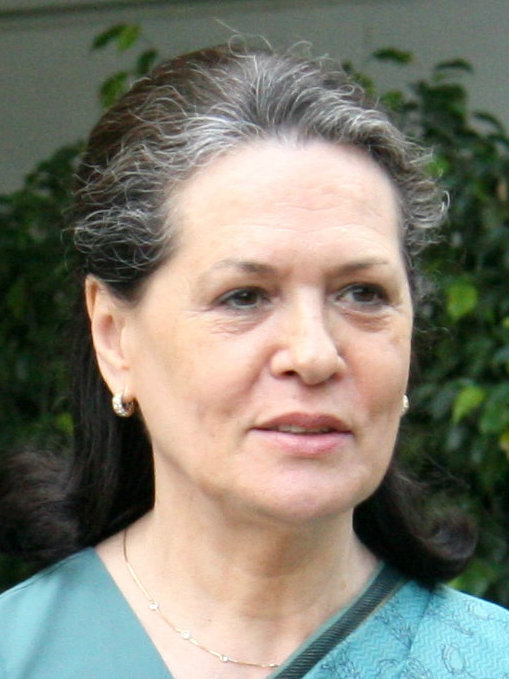



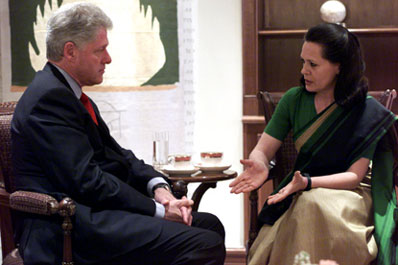
Early life and family
Sonia Maino was born in Italy and moved to India after marrying Rajiv Gandhi, who later became Prime Minister of India. She is the widow of the former prime minister Rajiv Gandhi and mother to members of the Nehru–Gandhi family. Her Italian origin is sometimes mentioned in discussions of her public role; biographical summaries often note her birthplace in Italy and early years before settling in India: Italy.
Political career and positions
Sonia Gandhi entered formal politics in the 1990s and was elected president of the Indian National Congress in 1998. Her leadership spanned several electoral cycles; under her stewardship the party led the United Progressive Alliance (UPA) coalition to national victories in 2004 and 2009. She also served as chairperson of the National Advisory Council, a body that advised the government on policy initiatives.
- Party president: Long-serving leader of the Indian National Congress (INC).
- Government influence: Chair of the National Advisory Council and senior strategist within the UPA coalitions.
- Public roles: Key decision-maker in candidate selection and policy priorities.
Her approach has been described as managerial and consensus-oriented, often working behind the scenes to build alliances and shape policy. Observers credit her with restoring organizational discipline to the Congress party after a period of decline.
Controversies and public perception
Sonia Gandhi’s leadership has attracted both praise and criticism. Supporters emphasize her stabilizing influence and role in social policy initiatives, while critics have raised questions about dynastic politics and the suitability of a foreign-born leader for India’s highest political offices. Early in her political career she faced pressure to accept the prime ministership but declined, a decision that became a defining moment in discussions of her style and priorities.
Her life and career intertwine personal biography and national politics: she is often referenced in profiles and analyses of modern Indian political history, and remains a notable figure in debates about party leadership and governance reform (biographies, recent coverage). For additional background and primary sources, consult major contemporary accounts and party records (profiles, party history).
Related articles
Author
AlegsaOnline.com Sonia Gandhi: Italian-born leader of the Indian National Congress Leandro Alegsa
URL: https://en.alegsaonline.com/art/91841
Sources
- liveindia.com : "Sonia Gandhi Biography"