
Rajiv Gandhi — Prime Minister of India (1984–1989)
Rajiv Gandhi (1944–1991) served as India's youngest prime minister (1984–1989). He promoted technological and administrative reforms, led the Indo‑Sri Lanka Accord, faced the Bofors controversy, and was assassinated in 1991.
Overview

Image gallery
10 Images

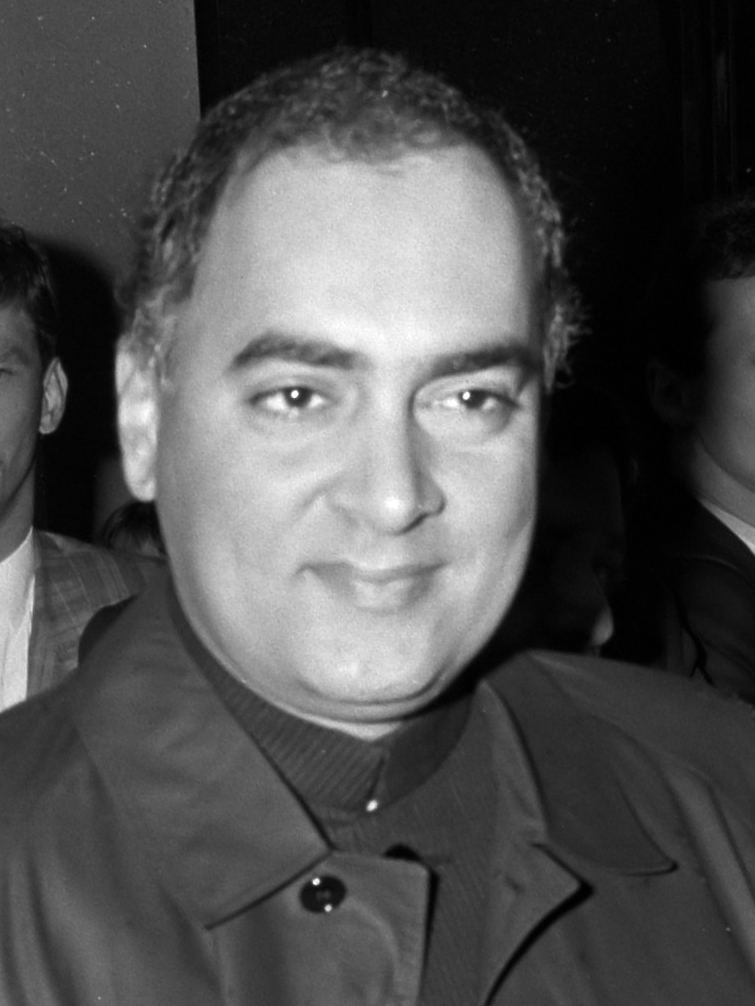



Early life and entry into politics
Born into the Nehru–Gandhi family, Rajiv Gandhi trained and worked briefly as a commercial pilot before entering public life. He had not been active in electoral politics until family circumstances and the death of his younger brother made him a leading figure in the Congress party. He was chosen to lead the party after 1984 and led it to a large parliamentary majority in the general election that year.
Domestic policies and reforms
Gandhi emphasised modernization, particularly in higher education, information technology and telecommunications. His government supported policies to computerise administration, expand telephone networks and encourage new technology industries. He promoted administrative reforms intended to reduce bureaucratic delays and sought to attract investment and technical expertise, laying part of the groundwork for economic changes in the following decade.
Foreign policy and the subcontinent
On foreign policy, his administration engaged actively with neighbouring countries. The 1987 Indo‑Sri Lanka Accord, negotiated during his tenure, aimed to resolve the Sri Lankan civil conflict and resulted in an Indian peacekeeping presence there, a move that proved controversial and costly. Gandhi also worked to broaden India's contacts with Western countries and international institutions while balancing regional priorities.
Controversies and criticism
Gandhi's tenure was overshadowed by several serious controversies. Communal violence followed his mother's assassination and the government's handling of those events attracted criticism. Later, the Bofors arms‑procurement affair, an allegation of kickbacks in a defence contract, became a major political scandal that damaged public confidence in his party. These issues contributed to electoral setbacks in 1989.
Later years and assassination
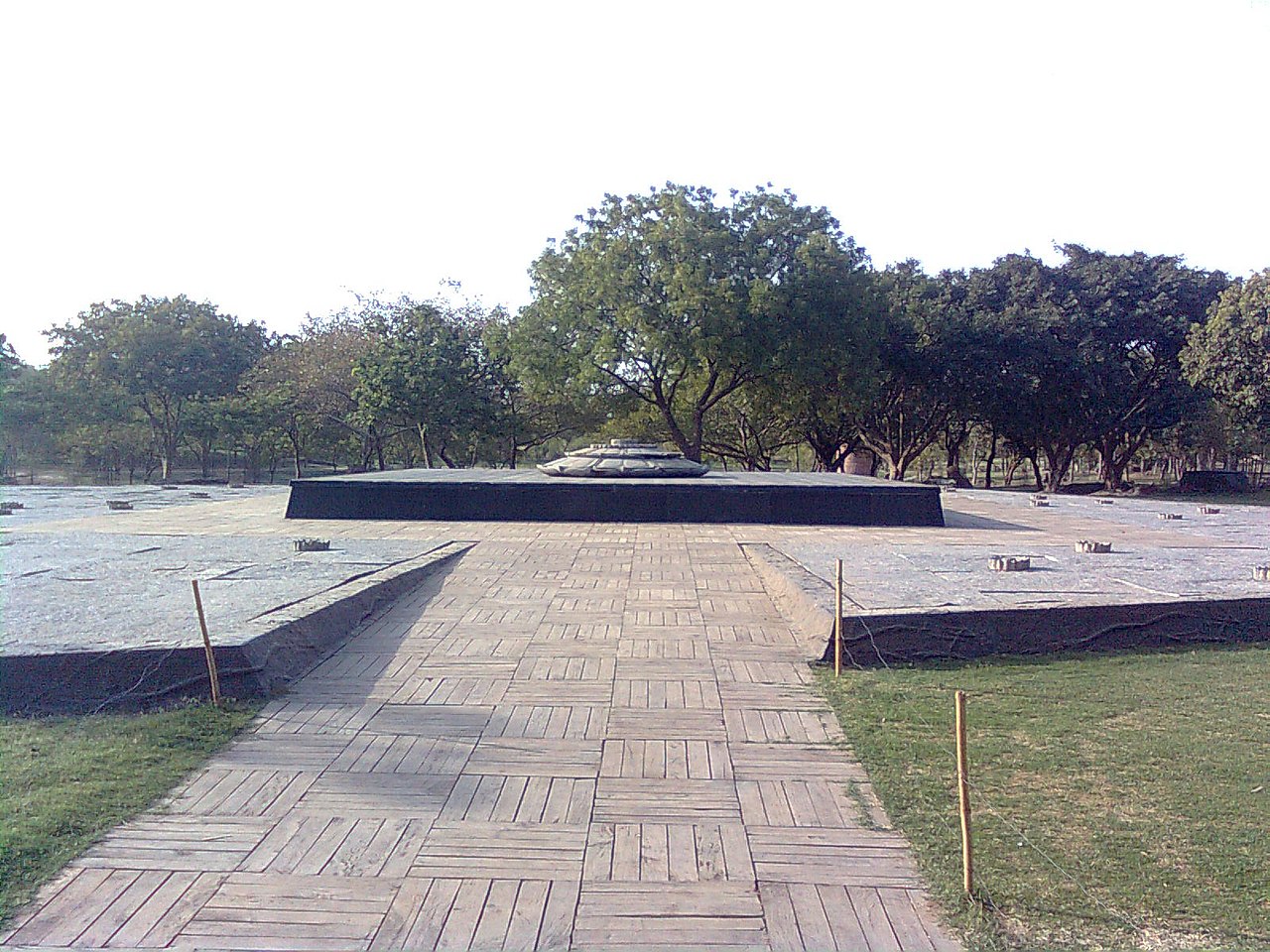
After the Congress party's defeat in 1989, Gandhi remained active as party president and a parliamentary figure. While campaigning in May 1991 for a general election, he was assassinated by a suicide bomber; the attack was widely blamed on militants from Sri Lanka. He was 46 years old. His death interrupted an evolving political career and provoked national mourning.
Legacy
Rajiv Gandhi is remembered for a mix of youthful ambition for technological and administrative reform and a political record complicated by scandal and difficult security challenges. Supporters credit him with helping to modernise sectors such as telecommunications and computing; critics point to lapses in governance and the shadow of corruption allegations. His period in office remains a significant chapter in late‑20th‑century Indian history.
Key points
- Youngest person to serve as Prime Minister of India (1984–1989).
- Promoted telecommunications, computerisation and administrative reforms.
- Signed the Indo‑Sri Lanka Accord; Indian peacekeeping forces were deployed to Sri Lanka.
- Political career affected by communal violence and the Bofors scandal.
- Assassinated while campaigning in 1991; his death had lasting national impact.
Author
AlegsaOnline.com Rajiv Gandhi — Prime Minister of India (1984–1989) Leandro Alegsa
URL: https://en.alegsaonline.com/art/129188