
Song Si-yeol (Uam) — Joseon Neo-Confucian Scholar and Political Leader
Prominent 17th-century Korean Neo-Confucian scholar, statesman and faction leader during the Joseon dynasty, known by the pen name Uam; influential in scholarship, government and political conflict.
Song Si-yeol (1607–1689), commonly known by his pen name Uam (우암), was one of the most influential Neo-Confucian scholars and public figures of mid‑ and late‑Joseon Korea. He combined a reputation for moral rigor and scholarly learning with an active career in government; his thought and actions shaped intellectual debates and factional politics in the 17th century.
Image gallery
2 Images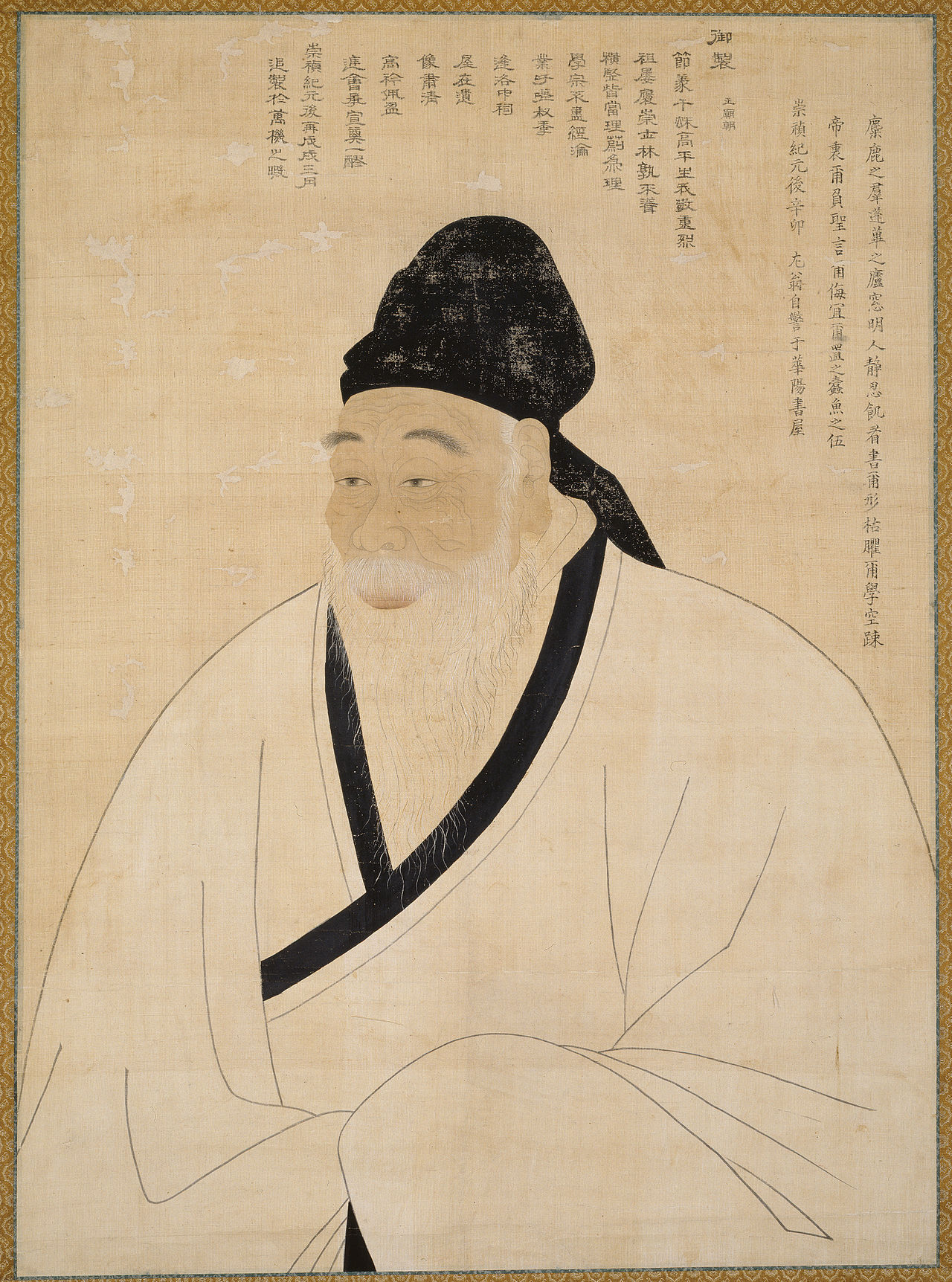

Names and identity
Song used multiple sobriquets and a Chinese style name during his life; historical records list names such as Uam (우암), Ujae (우재) and Yeongbo as a courtesy name. His name appears in traditional sources with Chinese characters; see the classical form 宋時烈 in archival references. These names reflect conventional scholarly practice in Joseon society, where learned men adopted pen names and style names for writing and teaching.
Philosophy and writings
As a leading exponent of Neo‑Confucianism, Song defended a conservative, moralist interpretation of Confucian learning. He emphasized ethical cultivation, ritual propriety, and adherence to classical texts. Over decades he produced extensive written material—lectures, commentaries, memorials to the throne and correspondence—used by students and later scholars to study Joseon orthodoxy. His collected writings continue to be referenced in studies of Korean intellectual history.
Political career and factional role
Song served in a variety of official posts and participated in state examinations, local administration and central government affairs. He emerged as a central leader of the Westerners (Seoin) faction, which was one of the major political groupings of Joseon. His leadership helped define factional alignments, policy debates and personnel decisions; some of his stances brought him into repeated conflict with rival scholars and ministers.
Conflict, removal and death
The intensity of factional politics in late 17th‑century Joseon culminated in violent purges and rapid changes in royal favor. Song was implicated in high‑profile disputes and, following a political turn against his faction, he was removed from office and executed in 1689 during a court purge. His death marked a dramatic moment in the ongoing contests between rival cliques and highlighted the dangers faced by scholar‑officials who engaged deeply in party politics.
Legacy and significance
Song Si‑yeol's influence persisted after his death through his students, his writings and the institutional memory of the Seoin faction. The Westerners later divided into subgroups, and many subsequent debates about ritual, moral conduct and royal authority drew on positions associated with Song. Modern scholarship treats him as a leading representative of orthodox Neo‑Confucian learning in Korea and a prominent, if polarizing, figure in Joseon's political history. For further archival and scholarly references, consult standard collections and specialized studies of Joseon intellectual and political life (see Joseon sources).
- Common names and pen names: Uam, Ujae, Yeongbo
- Born: 1607; Died: 1689
- Roles: scholar, government minister, factional leader
Related articles
Author
AlegsaOnline.com Song Si-yeol (Uam) — Joseon Neo-Confucian Scholar and Political Leader Leandro Alegsa
URL: https://en.alegsaonline.com/art/91823