
Sogod, Cebu: Overview of the Municipality
Sogod is a 4th class municipality in the province of Cebu, Philippines. This article outlines its location, governance, economy, people, and local character, with links to municipal information.
Overview
Sogod is a fourth-class municipality in the province of Cebu in the central Philippines. It is one of several communities on the island of Cebu and is administered under the national system of municipal government. According to the 2007 national census, the municipality had a population of 28,955 people; more recent counts will show changes typical of growing Philippine towns.
Image gallery
3 Images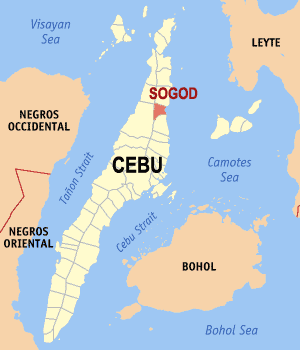


Geography and administration
Sogod occupies a portion of Cebu island and includes coastal and inland landscapes typical of the region, with a mix of lowland agricultural areas and settlements. The municipality is governed by a mayor and municipal council and is subdivided into smaller local units (barangays) that manage community-level affairs. Local infrastructure generally consists of municipal roads, basic health services and elementary and secondary schools that serve the town and neighbouring communities.
Economy and daily life
The local economy is largely based on agriculture, fishing and small-scale trading. Many households engage in rice and coconut farming, backyard gardening and artisanal fishing where coastline access exists. Local markets, sari-sari stores and small enterprises provide goods and services. Like many Philippine municipalities, remittances from family members working elsewhere contribute to household incomes.
Culture, festivals and community
Sogod shares the cultural traits common to Cebuano towns: strong family ties, Catholic religious observances, and local fiestas that mark patron saints and harvests. Community life centers on barangay activities, school events and religious celebrations, which shape local identity and social networks.
Visiting and further information
Travelers reach Sogod by road from other parts of Cebu island; facilities for visitors are modest and oriented toward domestic travelers. For official statistics, municipal services or administrative contacts, consult the municipal profile and related resources: Sogod municipal information.
- Main livelihoods: agriculture, fishing, retail trade
- Typical community features: barangay governance, town fiesta, public schools
- Classification: 4th class municipality
Related articles
Author
AlegsaOnline.com Sogod, Cebu: Overview of the Municipality Leandro Alegsa
URL: https://en.alegsaonline.com/art/91590