
Sodium hypophosphite (NaH2PO2)
Sodium hypophosphite, NaH2PO2, is a water‑soluble salt of hypophosphorous acid used industrially as a reducing agent and in electroless nickel plating; it is handled with care because it can release phosphine.
Overview
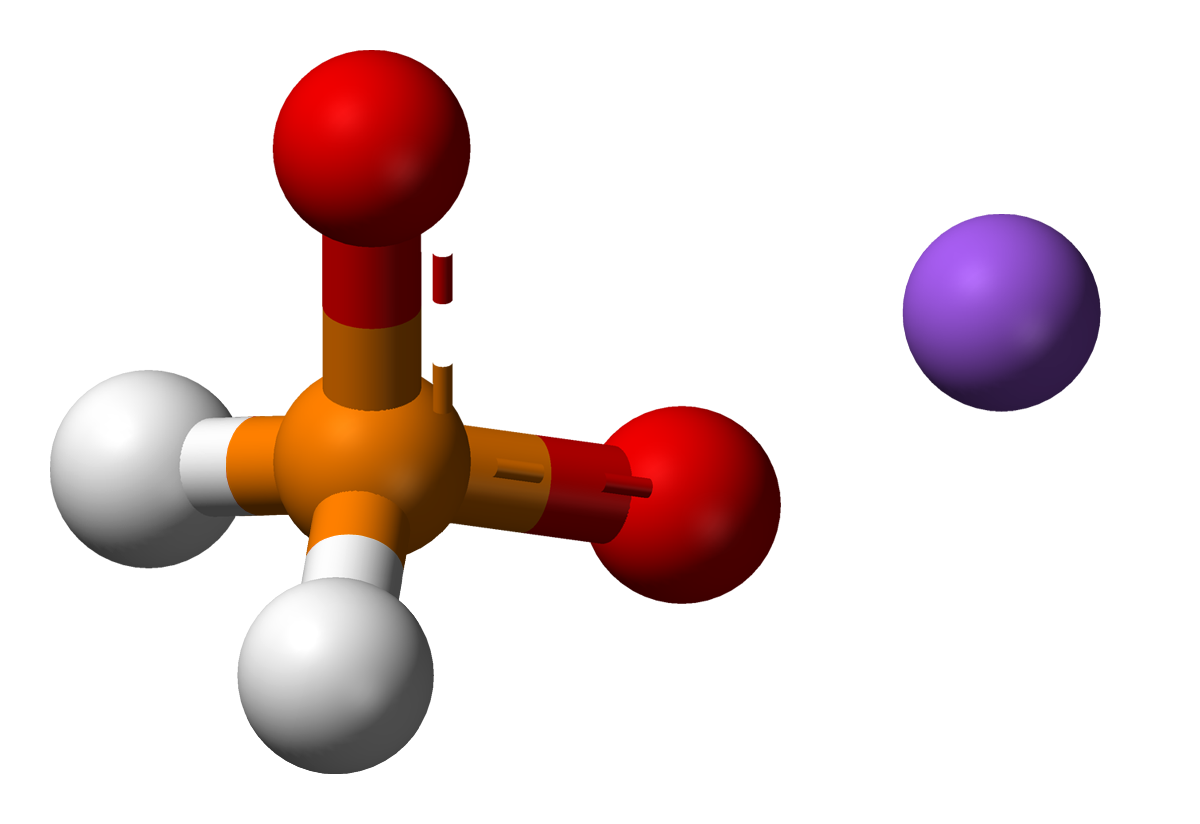
Sodium hypophosphite is an inorganic salt commonly encountered as the monohydrate form of NaH2PO2. It is the sodium salt of hypophosphorous acid and contains the hypophosphite anion (H2PO2−). The compound is typically a white crystalline solid that dissolves readily in water and functions as a mild reducing agent in a variety of chemical and industrial contexts. For basic chemical data and references, see chemical data.
Image gallery
3 Images

Chemical nature and properties
The hypophosphite ion is derived from hypophosphorous acid and features phosphorus at a relatively low oxidation state compared with phosphite or phosphate species. Relevant characteristics include solubility in water, reducing behavior, and the tendency of hypophosphite salts to be stable under neutral conditions but to decompose under strong heating or in strongly acidic media. For structural and ionic detail consult structural references.
Preparation and reactions
Sodium hypophosphite is produced by neutralizing hypophosphorous acid with a sodium base or by salt metathesis reactions in the laboratory or industrially. It acts as a source of hydrogen in certain reductions and can reduce metal ions to lower oxidation states, which underlies some of its technological applications. Under decomposition it can evolve phosphorus‑containing gases; see safety notes and further reading at safety sources.
Uses and applications
- Electroless nickel plating: widely used as the reducing agent that converts nickel(II) ions to a nickel–phosphorus alloy deposit on substrates.
- Chemical reductions: employed in laboratory and industrial organic and inorganic reductions where a non‑metallic reducing agent is useful.
- Specialty processes: used in some metal finishing and surface treatment operations because it produces adherent, wear‑resistant deposits.
For industrial practice and technical specifications, see manufacturer or process literature at industry guidance.
Safety and distinctions
Sodium hypophosphite should be stored away from oxidizing agents and strong acids. When heated strongly or acidified, hypophosphite salts can release phosphine (PH3), a toxic and flammable gas; therefore handling protocols and proper ventilation are important. It is chemically distinct from phosphite and phosphate salts by the oxidation state of phosphorus and by formula and reactivity. Proper material safety data sheets should be consulted before use.
Related articles
Author
AlegsaOnline.com Sodium hypophosphite (NaH2PO2) Leandro Alegsa
URL: https://en.alegsaonline.com/art/91529