
Smuggling
Smuggling is the illegal movement of goods, people, information or substances across borders to evade laws, taxes, or prohibitions. It affects economies, public health and security and takes many forms.
Smuggling is the clandestine transport of goods, substances, people or information across borders or within a jurisdiction to avoid legal controls, taxes, prohibitions or licensing. It includes acts as small as hiding contraband in personal luggage and as large as organized networks moving prohibited products. Smugglers seek to exploit gaps in enforcement, demand for restricted items, and price differentials; for example, to escape customs duties or other charges such as tariffs and duties.
Image gallery
10 Images


Types and common methods
Smuggled items vary widely. Typical categories include:
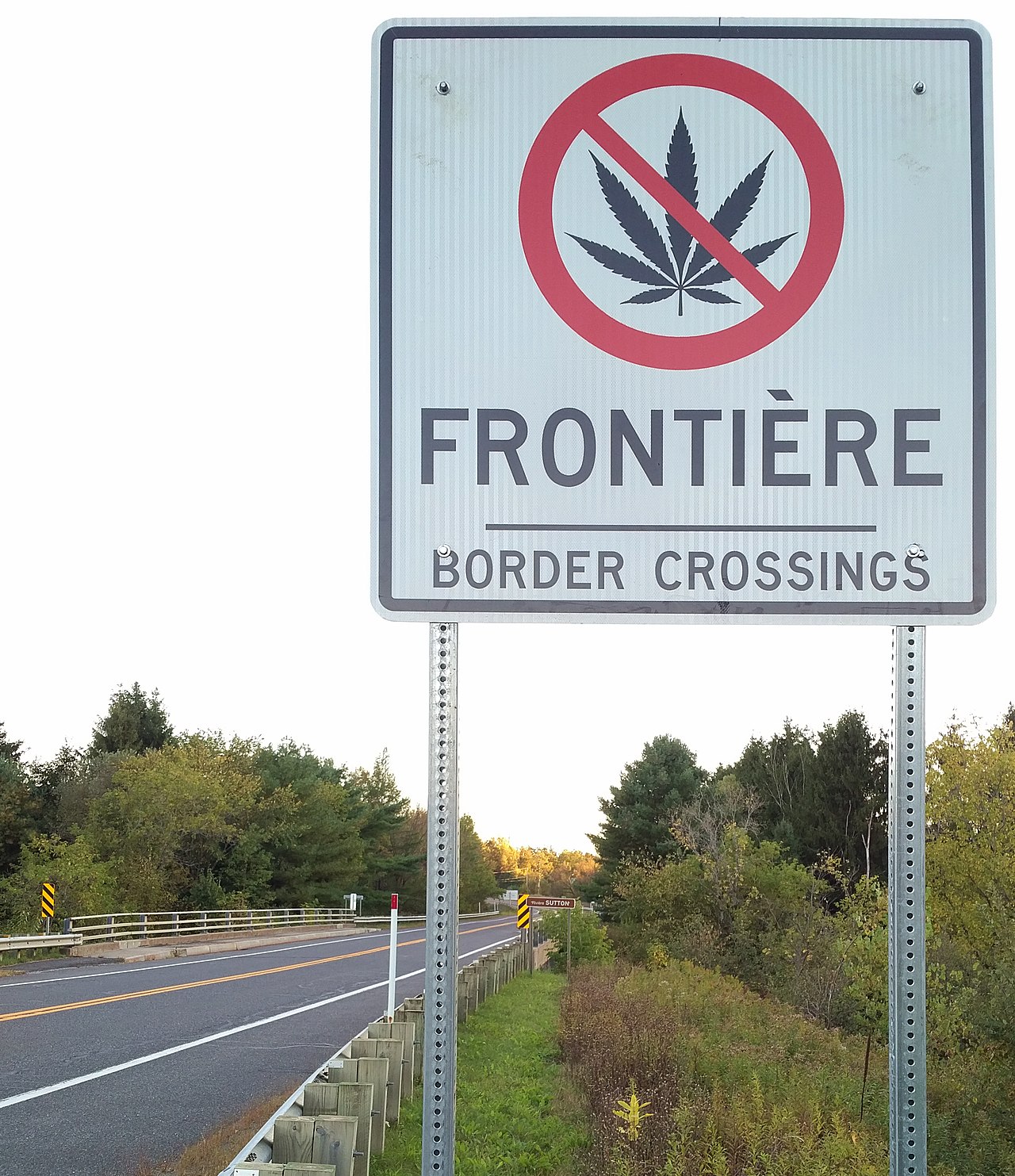
- Consumer contraband: counterfeit goods, untaxed cigarettes, alcohol.
- Illicit substances: illegal drugs, unauthorized pharmaceuticals.
- Protected materials: endangered wildlife products, cultural artifacts.
- People: undocumented border crossings often described as human smuggling.
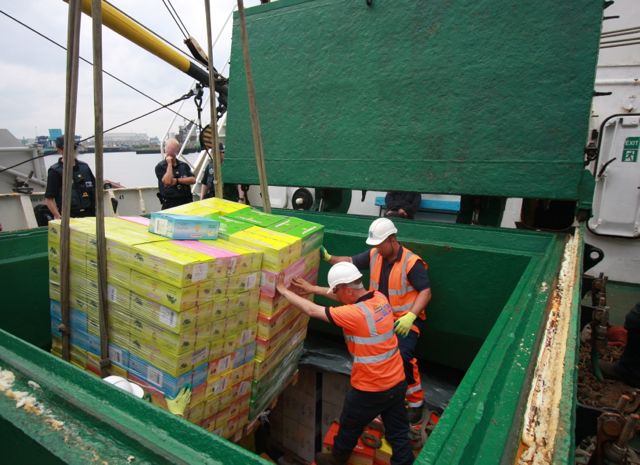
Methods range from concealment and mislabeling to use of hidden compartments, false documents, courier networks, maritime shipments, tunnels and digital channels for moving restricted data or software.
Historically, smuggling has accompanied trade and prohibition. Maritime smuggling of salt, tea and spice featured in early state economies; in later centuries smuggling grew during wartime embargoes and temperance-era alcohol bans. Contemporary smuggling often involves sophisticated logistics and links to organized crime.
Motives include avoiding taxes, accessing prohibited goods, profit from price differences, or escaping regulation. Impacts are mixed but often harmful: loss of public revenue, danger to public health from unregulated products, harm to biodiversity, and funding of illicit networks. Social and economic effects vary by region and commodity.
Legally, smuggling is distinct from but sometimes overlaps with related crimes. Human smuggling generally refers to consensual facilitation of illegal border crossing, whereas human trafficking involves coercion and exploitation. Customs fraud, bribery, and money laundering are common adjunct offenses. Enforcement combines national law enforcement, customs agencies, international cooperation, intelligence-sharing and technology such as scanning and data analytics to detect and disrupt operations.
Related articles
Author
AlegsaOnline.com Smuggling Leandro Alegsa
URL: https://en.alegsaonline.com/art/91279