
Solar car
A vehicle that uses onboard photovoltaic cells to convert sunlight into electricity to power an electric motor. Primarily experimental and educational, used in competitions and research; different from EVs charged off‑vehicle.
A solar car (also called a solar vehicle) is a road vehicle that uses sunlight converted to electricity by photovoltaic devices mounted on or associated with the vehicle to drive an electric motor. In the strict sense, a solar car carries its own solar array and uses that energy directly to propel the vehicle, often with a compact battery for short-term buffering, recovery from shade or to support bursts of power. The term contrasts with conventional electric vehicles that are charged from separate installations or the grid.
Image gallery
10 Images


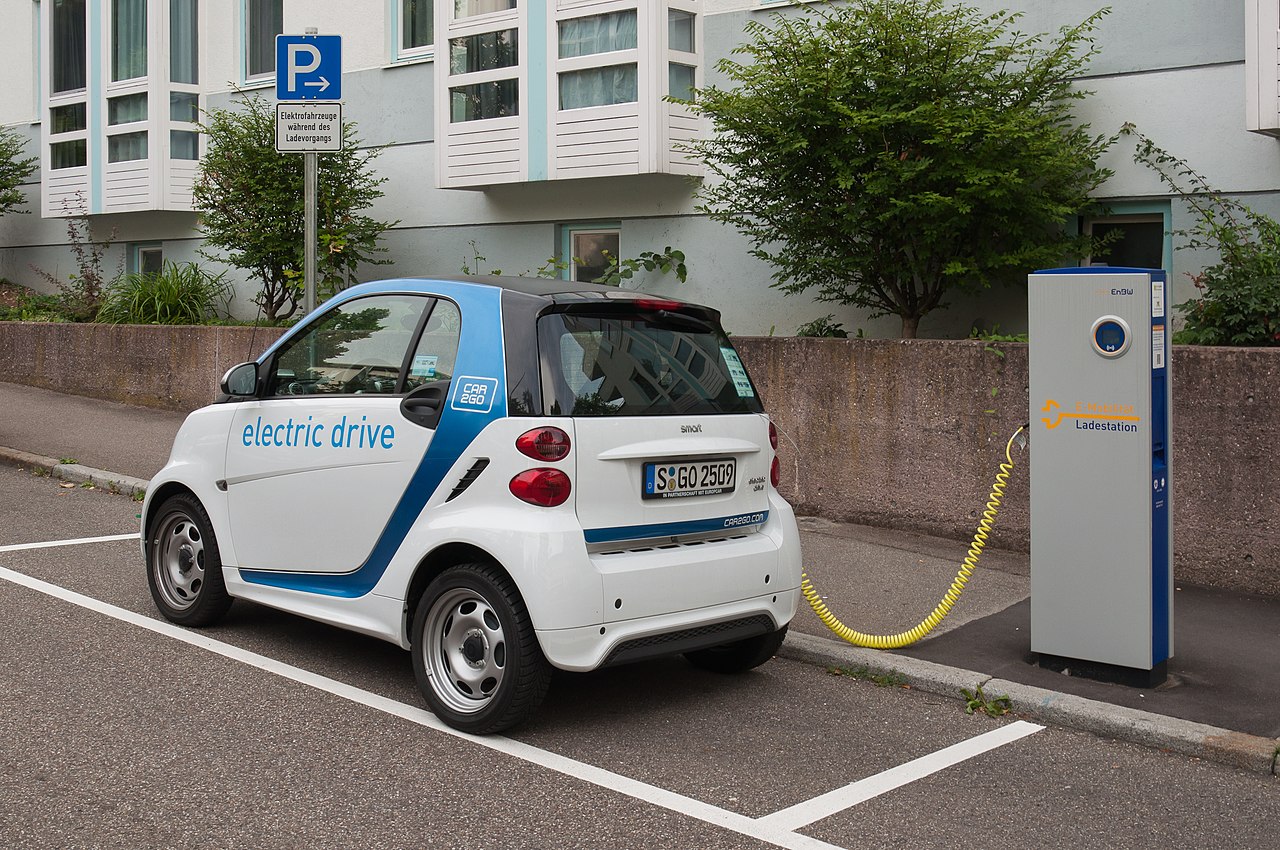


Design and components
Design of a solar car emphasizes energy efficiency because on-board solar power is limited by surface area and available sunlight. Typical priorities include low aerodynamic drag, lightweight structural materials, highly efficient electric drive systems and careful energy management. Key components are:
- Solar array: high-efficiency solar cells integrated into the vehicle skin or mounted on the body, chosen for power per unit area and durability.
- Battery or energy buffer: relatively small compared with mainstream EVs, used to smooth power delivery and store energy during brief periods of excess generation.
- Electric motor and electronics: motors and power converters optimized for minimal losses and precise energy control.
- Chassis and bodywork: light but robust structures with extreme shaping to reduce drag and rolling resistance.
Types and practical arrangements
Solar-powered transport covers a spectrum. At one end are dedicated solar cars designed to run primarily on their own arrays for long distances or endurance events. At the other are everyday electric cars that use off‑vehicle or portable solar panels to recharge — a practical approach for routine use because fixed panels can be far larger than the vehicle roof. Hybrid approaches include solar trailers, fold-out arrays for charging when parked, and vehicles that use panels to power auxiliary systems.
History, competitions and space applications
Academic teams, manufacturers and hobbyists have developed solar vehicles for research, education and competitive racing. Organized long-distance challenges and endurance races have been important for advancing lightweight materials, cell integration and efficient control systems. Beyond Earth, several mobile space platforms relied on surface solar arrays for primary power; early planetary rovers are notable examples where solar energy enabled extended operations during daylight on missions such as those to Mars and similar environments, including historic Mars rover missions that used solar panels to maintain systems.
Uses and benefits
Solar cars serve several roles: practical demonstration of zero-tailpipe operation and energy autonomy; testbeds for technologies that reduce vehicle energy consumption; and educational projects that train engineers in systems integration. In sunny conditions, a vehicle generating a portion of its energy on board can operate with minimal direct fuel or grid energy use, contributing to reduced local emissions when in active sunlight.
Limitations and trade-offs
The fundamental constraint is the limited area available for photovoltaic collection on a road vehicle. Typical vehicle roofs and hoods provide only a few square metres, producing modest continuous power under normal conditions. That limits average speed, payload and acceleration unless larger energy stores are added. Performance also depends on weather, season, latitude and shading; efficient cells and careful energy management help but do not remove these constraints. Cost, durability of embedded cells, and repairability are additional practical concerns.
Technology trends and outlook
Advances in cell technology, lightweight composites and power electronics have gradually expanded what solar vehicles can do. Research into multi-junction cells, new thin-film materials and vehicle-integrated solar skins aims to raise power per area and lower weight. Meanwhile, the most immediate real-world gains often come from using stationary or larger-area solar installations to charge electric vehicles, a practical pathway to reduce lifecycle emissions for everyday transport. Whether integrated directly on vehicles or used off-vehicle, photovoltaics are one element among many in efforts to make road transport more energy efficient and less polluting.
For readers seeking further information, introductory resources on vehicle electrification, photovoltaic technology and vehicle design provide useful context; teams and event organizers also publish technical reports and summaries on design choices and lessons learned. The distinction between a true solar car and an electric vehicle charged by separate solar panels is important for understanding capabilities and realistic applications.
Solar cars remain primarily experimental and educational, but they continue to influence approaches to energy-conscious vehicle design and to demonstrate how cleaner propulsion can be achieved when sunlight is available.
Related topics include electric drivetrains and broader vehicle electrification trends; see an overview of electric vehicles at electric vehicle resources and introductory material on photovoltaics at solar cell resources.
Questions and answers
Q: What are solar cars?
A: Solar cars are a unique type of electric vehicle that rely solely on the power of the sun through solar cells on the surface of the car to produce electricity.
Q: How do solar cars work?
A: Solar cars work by using the electricity produced from solar cells on the car to turn a motor and, in turn, the wheels.
Q: Can solar cars be used for normal driving?
A: Solar cars are not useful for normal driving but can be driven all day without producing any pollution.
Q: Where else are solar-powered vehicles used?
A: Solar-powered vehicles are also used in unusual cases like the first rovers on Mars.
Q: Can electric vehicles be powered by separate solar panels?
A: Yes, electric vehicles can be charged from separate solar panels, and those panels can be as big as needed to power an electric car for most daily needs.
Q: Is a vehicle charged from separate solar panels called a solar car?
A: No, a vehicle charged from separate solar panels is not called a solar car since it does not have the solar panels directly on the car's surface.
Q: What is the benefit of using solar cars?
A: The primary benefit of using solar cars is that they produce no pollution while driving.
Related articles
Author
AlegsaOnline.com Solar car Leandro Alegsa
URL: https://en.alegsaonline.com/art/91628
Sources
- tryengineering.org : "Solar car racing"
- inventors.about.com : "Solar cars - History"
- worldsolarchallenge.org : "World Solar Challenge"
- americansolarchallenge.org : "American Solar Challenge"