
Sleepy Hollow (1999 film)
1999 gothic supernatural horror film directed by Tim Burton, starring Johnny Depp; a stylized adaptation of Washington Irving's The Legend of Sleepy Hollow with period atmosphere and dark humor.
Overview
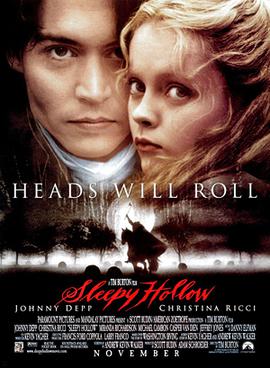
Sleepy Hollow is a 1999 gothic supernatural horror film directed by Tim Burton. It transposes Washington Irving's early-19th-century short story into a moody, late-18th-century setting and blends elements of horror, mystery and dark comedy. The film is known for its stylized production design, atmospheric cinematography and a cast led by Johnny Depp as the investigator Ichabod Crane.
Image gallery
10 Images




Premise and setting
The narrative follows Ichabod Crane, a rational and scientific constable summoned to a remote village to investigate a series of grisly killings attributed to a headless horseman. The story is set in a fog-bound rural community where superstition and hidden motives complicate the inquiry. While retaining the central motif of a headless rider from Irving's tale, the film expands the plot into a whodunit framed by gothic spectacle.
Principal cast and characters
- Johnny Depp as Ichabod Crane, the investigative outsider.
- Christina Ricci as a local woman who becomes entwined with the mystery.
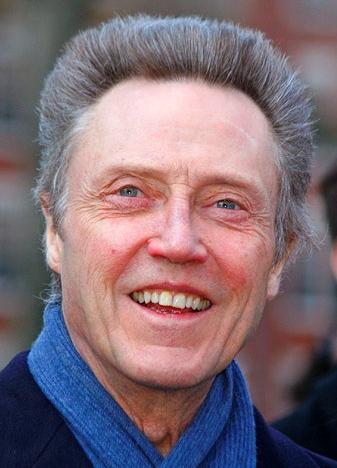
- Christopher Walken as the vengeful headless antagonist.
- Supporting cast includes Ian McDiarmid, Michael Gambon, Christopher Lee, Michael Gough, Richard Griffiths, Jeffrey Jones, and Martin Landau.
Production, style and influences
Tim Burton's approach emphasizes mood over strict historical realism. The production design leans heavily on chiaroscuro lighting, exaggerated architecture and a palette that underscores cold, damp isolation. Kostume and set details suggest a period around 1799, and the director mixes practical effects with subtle visual effects to create an eerie, storybook atmosphere. The film openly draws inspiration from Irving's writing and the short story commonly titled "The Legend of Sleepy Hollow", while introducing new characters and motives to transform the tale into a mystery thriller.
Release, reception and box office
Released to a wide audience, the film performed well commercially and attracted attention for its production values and star performances. Contemporary reviews praised its visual inventiveness and Burton's atmospheric direction, while some critics noted departures from Irving's original tone. The picture earned roughly $207 million worldwide and contributed to renewed popular interest in the Sleepy Hollow legend and gothic adaptations.
Legacy and distinctions
Sleepy Hollow occupies a place among late-20th-century films that rework classic literature through a director's distinctive visual lens. It is often cited for its successful fusion of horror and period drama and for bringing the Headless Horseman back into mainstream pop culture. The movie also helped introduce a stylized, Burton-esque interpretation of American gothic folklore to new audiences and inspired subsequent adaptations and homages. For readers curious about the real village that inspired Irving's tale, see references to Sleepy Hollow, New York, and further production or casting notes at film genre overview and production details.
For more background on the author and original story consult sources linked to Irving and the short story, and for cast biographies consult entries associated with the principal performers and supporting artists listed above.
Related articles
Author
AlegsaOnline.com Sleepy Hollow (1999 film) Leandro Alegsa
URL: https://en.alegsaonline.com/art/91093
Sources
- news.bbc.co.uk : "Oscar winners in full"
- news.bbc.co.uk : "Full list of BAFTA winners"
- saturnawards.org : "Past Award Winners"
- mtv.com : "1999 MTV Movie Awards"