
Smokey and the Bandit (1977 film)
1977 action-comedy directed by Hal Needham starring Burt Reynolds, Sally Field, Jackie Gleason and Jerry Reed; a high‑energy road picture famed for car chases, CB radio culture and two sequels.
Overview
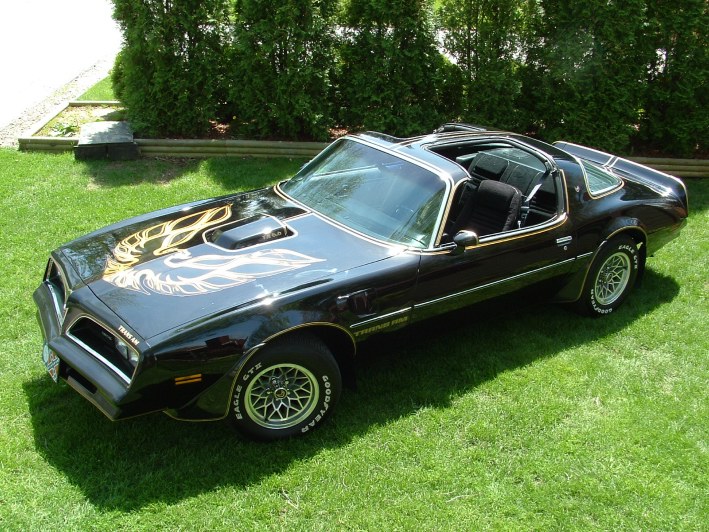
Smokey and the Bandit is a 1977 American action-comedy film directed by Hal Needham and produced in collaboration with Mort Engelberg. The story blends slapstick humor, fast cars and a cat-and-mouse pursuit across state highways. It became widely known for its racing sequences, its playful depiction of CB radio culture, and for helping to popularize the Pontiac Trans Am as an iconic muscle-car image.
Image gallery
2 Images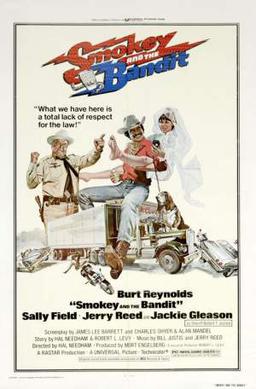
Premise and style
The basic premise follows a charismatic bootlegger and his friend on a high-speed run to deliver a load across state lines while eluding an obsessive lawman. The film mixes broad comedy, stunt-driven action and road-movie tropes. Director Hal Needham, a former stuntman, emphasized practical stunts and vehicular choreography, giving the film an energetic, kinetic visual identity.
Cast and characters
- Burt Reynolds as the roguish lead driver.
- Sally Field as the female lead and romantic foil.
- Jackie Gleason as the determined sheriff; the film uses his name as part of its comic tension.
- Jerry Reed as a musical and narrative presence; he contributed to the soundtrack and appears on screen.
- Supporting players include stunt performers and character actors who populate the road and small-town encounters.
Production, release and reception
The production is notable for its reliance on practical effects, car stunts and location driving. Upon release the film attracted a wide audience, becoming one of the most popular American comedies of its year. Contemporary reviews noted its criminal-justice spoofing and its appeal as light entertainment; over time it has retained recognition as a touchstone of 1970s popular cinema.
Legacy and sequels
The film spawned two official sequels, continuing the central characters and chase formula. It influenced later road and car-chase pictures and remains a reference point in discussions of stunt work and vehicular filmmaking. For more detailed cast and production credits, see the main film entry: Smokey and the Bandit.
Notable facts
The movie helped cement several cultural motifs: the charm of the outlaw driver, the affectionate parody of law-enforcement tropes, and a revived pop interest in certain cars and radio slang. It also served as a career touchstone for its principal actors and for Needham, who transitioned from stunts to direction. For interviews, music credits and archival materials consult linked resources: lead actress info, supporting actor profile, and musical contributor page.
Related articles
Author
AlegsaOnline.com Smokey and the Bandit (1977 film) Leandro Alegsa
URL: https://en.alegsaonline.com/art/91257