
Sleeping car (railway sleeper)
A sleeping car, or sleeper, is a railway carriage fitted with beds or berths to allow comfortable overnight travel. Types range from basic couchettes to private suites and modern en-suite cabins.
Overview
A sleeping car, commonly called a sleeper, is a passenger railway carriage designed to provide sleeping accommodation on trains. Sleepers make night travel practical and more comfortable on medium- and long-distance services by offering beds, berths or private compartments that passengers use instead of seats.
Image gallery
10 Images




Design and typical features
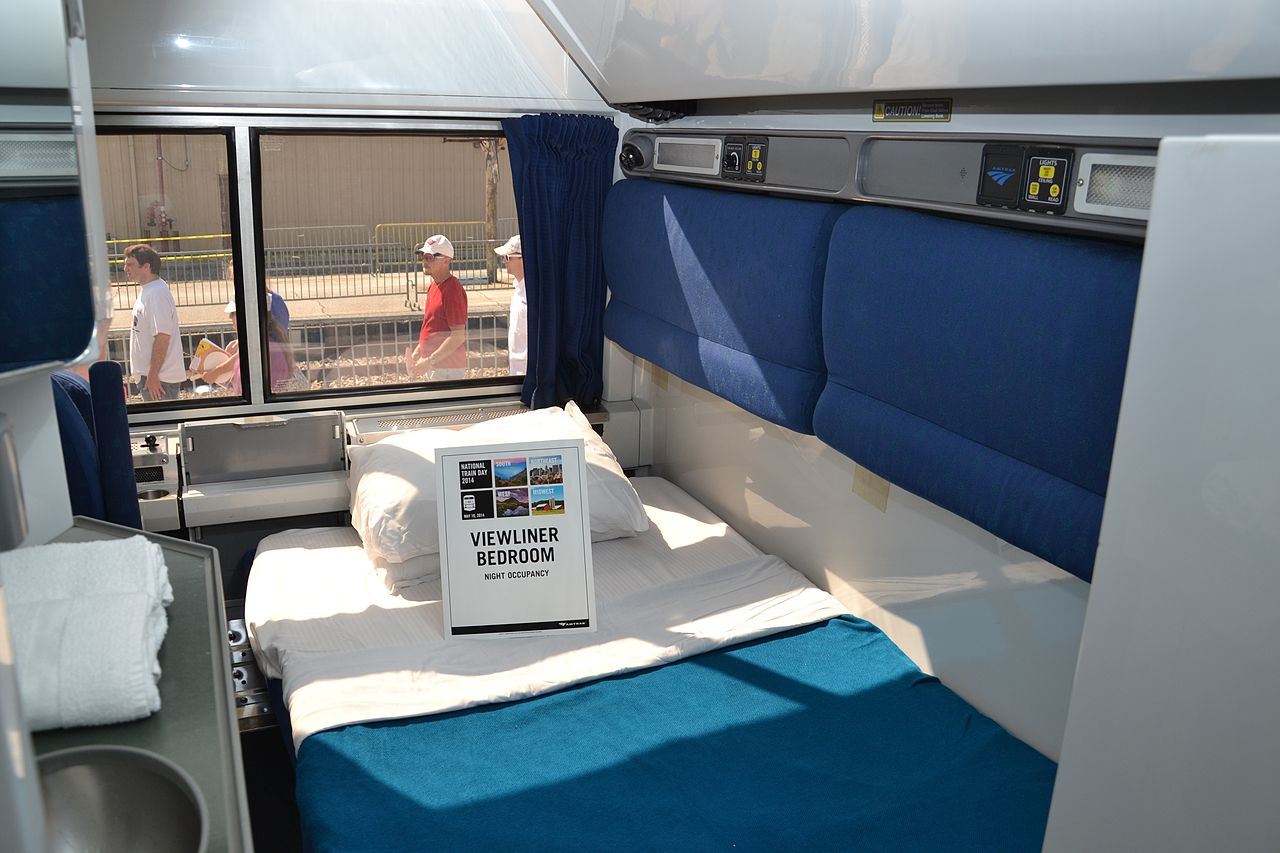
Sleeping cars vary widely in layout and amenities. Basic designs provide bunks that fold into seats during daytime; more elaborate cars contain private compartments with one or more beds, washbasins, toilets and sometimes showers. Common elements include bedding storage, curtains or doors for privacy, reading lights, climate control and luggage space. Some services include attendants who prepare beds and provide cabin service.
Common types
- Couchette: simple shared compartments with bunks, often economical for overnight travel.
- Berth sleeper: open-plan berths or alcoves that convert from seats to beds.
- Compartment sleeper: enclosed compartments for two to four people, rentable by the compartment.
- Roomette and deluxe cabins: single-occupancy or suite-style accommodation with enhanced facilities and sometimes en-suite toilets or showers.
History and development
Sleeping cars emerged in the 19th century as railways extended travel over longer distances. Entrepreneurs and specialised companies developed purpose-built coaches to attract overnight travellers; luxury operators became associated with elegant interiors and private suites. Over time designs improved for comfort, sanitation and safety.
Operation, safety and accessibility
Sleepers are used on routes where overnight travel is efficient or where daytime schedules are impractical. Modern cars follow safety and accessibility standards: secure doors, lighting, smoke detection and accessible compartments for passengers with reduced mobility. Operators balance cost, privacy and amenities to suit different markets.
Cultural and practical significance
Sleeping cars remain linked with classic long-distance rail travel and are important for tourism and business travel on many continents. While competition from air travel reduced some services, renewed interest in sustainable travel and rail tourism has supported new and upgraded sleeper services offering modern conveniences such as power outlets, improved bedding and onboard catering.
Related articles
Author
AlegsaOnline.com Sleeping car (railway sleeper) Leandro Alegsa
URL: https://en.alegsaonline.com/art/91084