
Slavko Goldstein: Croatian Jewish writer, publisher, and public intellectual
Biography of Slavko Goldstein (1928–2017), a Croatian Jewish Holocaust survivor who became a journalist, editor, screenwriter, publisher and politician, known for work on wartime memory and culture.
Overview
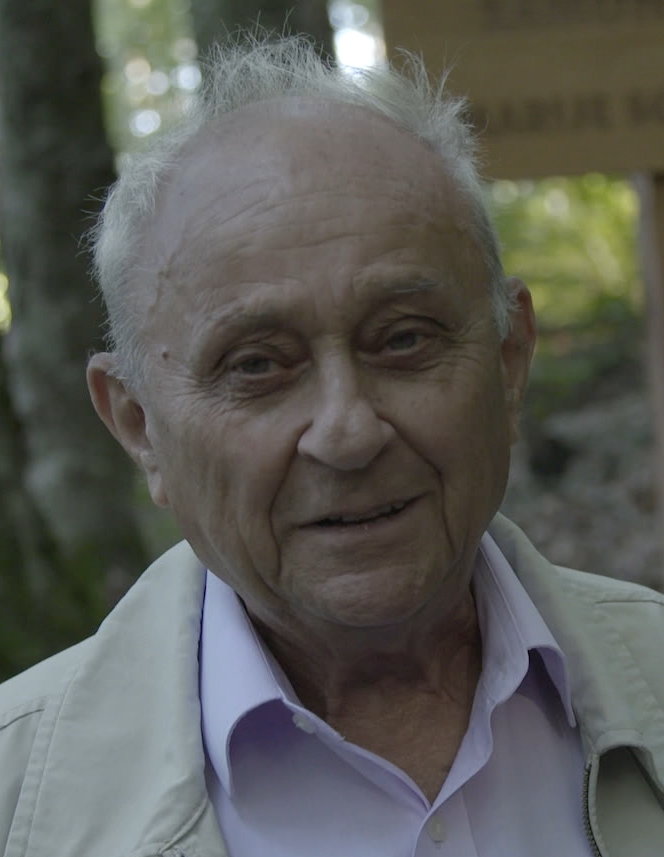
Slavko Goldstein (22 August 1928 – 13 September 2017) was a Croatian Jewish writer, editor, publisher and public intellectual. Born in Sarajevo in the former Kingdom of Yugoslavia, he survived the upheavals of the mid‑20th century and became an influential voice in Croatian cultural and political life. Goldstein combined literary activity, historical inquiry and public debate throughout a long career.
Image gallery
2 Images
Early life and wartime experience
Goldstein grew up in a region dramatically affected by World War II and its aftermath. As a member of the Jewish community, his formative years were marked by wartime persecution and loss. Later in life he wrote and spoke about those experiences and about the broader process of remembering wartime crimes and rescuing historical truth. His personal history shaped his lifelong interest in moral and historical questions.
Work in journalism, publishing and film
After the war Goldstein established himself in the fields of journalism and publishing. He worked as a journalist and editor for a number of Croatian newspapers and magazines and built a reputation as a careful editor and cultural organizer. Over his career he edited more than 150 books and, as a publisher, was involved with roughly 400 titles, supporting authors across fiction, history and the social sciences.
Goldstein also wrote for the screen. Among screenplays associated with him are the film Signal Over the City (Signali nad gradom, 1960) and Operation Stadium (Akcija stadion, 1977), the latter co‑written with animator and director Dušan Vukotić. His film work focused largely on wartime themes and on human responses to conflict.
Public life and politics
In the late 1980s and early 1990s Goldstein took an active role in the evolving political scene of Croatia. He was a member of the Croatian Social Liberal Party and served as the party's president from 1989 to 1990. In public debates he was known for insistence on historical accountability, pluralism and civic values at a time of intense national change.
Legacy and death
Goldstein is remembered as a prominent cultural figure who bridged intellectual, editorial and political work. His writings, editorial projects and public interventions contributed to debates about the Holocaust, wartime collaboration and postwar memory in Croatia and the wider region. He died on 13 September 2017 in Zagreb, Croatia, of pneumonia at the age of 89. His papers, published writings and the titles he helped bring into print remain reference points for scholars and readers interested in 20th‑century Croatian history and culture.
Selected roles and contributions
- Journalist and editor: long career in Croatian media and book publishing.
- Publisher: editorial work on hundreds of titles across genres.
- Screenwriter: credits include films about wartime experiences.
- Politician and public intellectual: active in late‑20th‑century Croatian politics and debates about historical memory.
Related articles
Author
AlegsaOnline.com Slavko Goldstein: Croatian Jewish writer, publisher, and public intellectual Leandro Alegsa
URL: https://en.alegsaonline.com/art/91064
Sources
- resources.ushmm.org : "Holocaust Survivors and Victims Database: Slavko Goldstein"
- vecernji.hr : "Slavko Goldstein profile"
- filmovi.com : "Signali nad gradom"
- filmovi.com : "Akcija "Stadion""
- hrvatskodrustvopisaca.hr : "Slavko Goldstein - Hrvatsko Društvo Pisaca"
- vecernji.hr : Preminuo Slavko Goldstein