
Ski lift: types, operation, history and uses
A ski lift is a powered transport system that moves people up and down slopes. This article explains common types, how they work, their history, safety considerations, and broader uses beyond skiing.
A ski lift is a mechanical system designed to carry people up and down a slope, typically to access downhill terrain on a hill or a mountain. Ski lifts range from simple surface conveyors to complex aerial tramways. They are fundamental infrastructure at winter resorts and are also used year-round for hikers, sightseers and workers in mountainous areas.
Image gallery
4 Images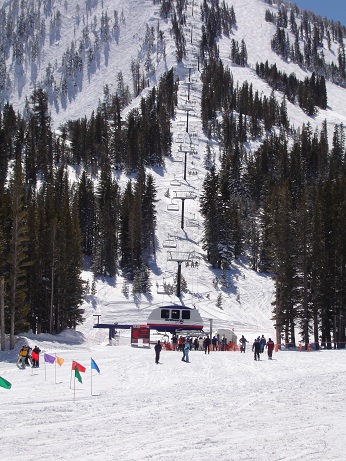


Common types
- Chairlift: Open seats suspended from a moving cable that carry riders on chairs, often with safety bars and footrests.
- Gondola / Tram: Enclosed cabins that protect passengers from weather and can transport larger groups or gear.
- Surface lifts: Devices like T-bars, platter lifts and rope tows that pull skiers while they remain on the ground.
- Conveyor (magic carpet): Moving belts used for beginner slopes and short transfers.
These types differ in capacity, comfort and suitability for steep or long routes. Some systems are fixed-grip, where carriers remain attached to the cable, while detachable systems allow vehicles to slow at stations for easier boarding.
How they work
Ski lifts use a continuous loop of steel cable, driven by electric or diesel motors at a terminal. Large wheels (bullwheels) guide the cable; towers support it along the line. In detachable designs, mechanical grips open and close to allow cabins or chairs to detach for slower station movement. Tensioning systems keep the cable taut and technicians conduct regular inspections to maintain safe operation.
Control systems monitor speed, loading and emergency stops. Operators train in evacuation procedures for situations where a ride must be brought to a halt and passengers removed safely from a stranded carriage.
Historically, early lifts were improvised devices and tow ropes; dedicated chairlifts and gondolas developed as winter sports expanded in the 20th century. Advances in materials, drive technology and safety systems enabled higher capacity and year-round applications, including mountain sightseeing and urban transport in some regions.
Beyond recreation, ski lifts can support maintenance access, summer tourism and mountain rescues. Environmental and planning concerns influence siting and design to reduce visual and ecological impact. When comparing systems, consider capacity, speed, weather resistance and boarding accessibility; these factors determine which lift suits a particular slope or user group.
Related articles
Author
AlegsaOnline.com Ski lift: types, operation, history and uses Leandro Alegsa
URL: https://en.alegsaonline.com/art/90912
Sources
- books.google.com : The Tourism Society's Dictionary for the Tourism Industry