
Ski boots: design, types, history, and fitting
Ski boots are specialized footwear that connect a skier to skis, providing control, protection, and insulation. This article explains types, parts, history, fitting, and safety considerations.
Ski boots are purpose-built footwear worn to ski safely and effectively. They create a rigid interface between a skier's feet and the skis, transfer leg movements to the ski edges, protect feet and ankles from impacts and cold, and work together with ski bindings to release when needed. Modern ski boots are typically made from molded synthetic materials and include an inner liner for comfort and insulation. For an overview of binding systems and manufacturer guidance see further resources.
Image gallery
7 Images
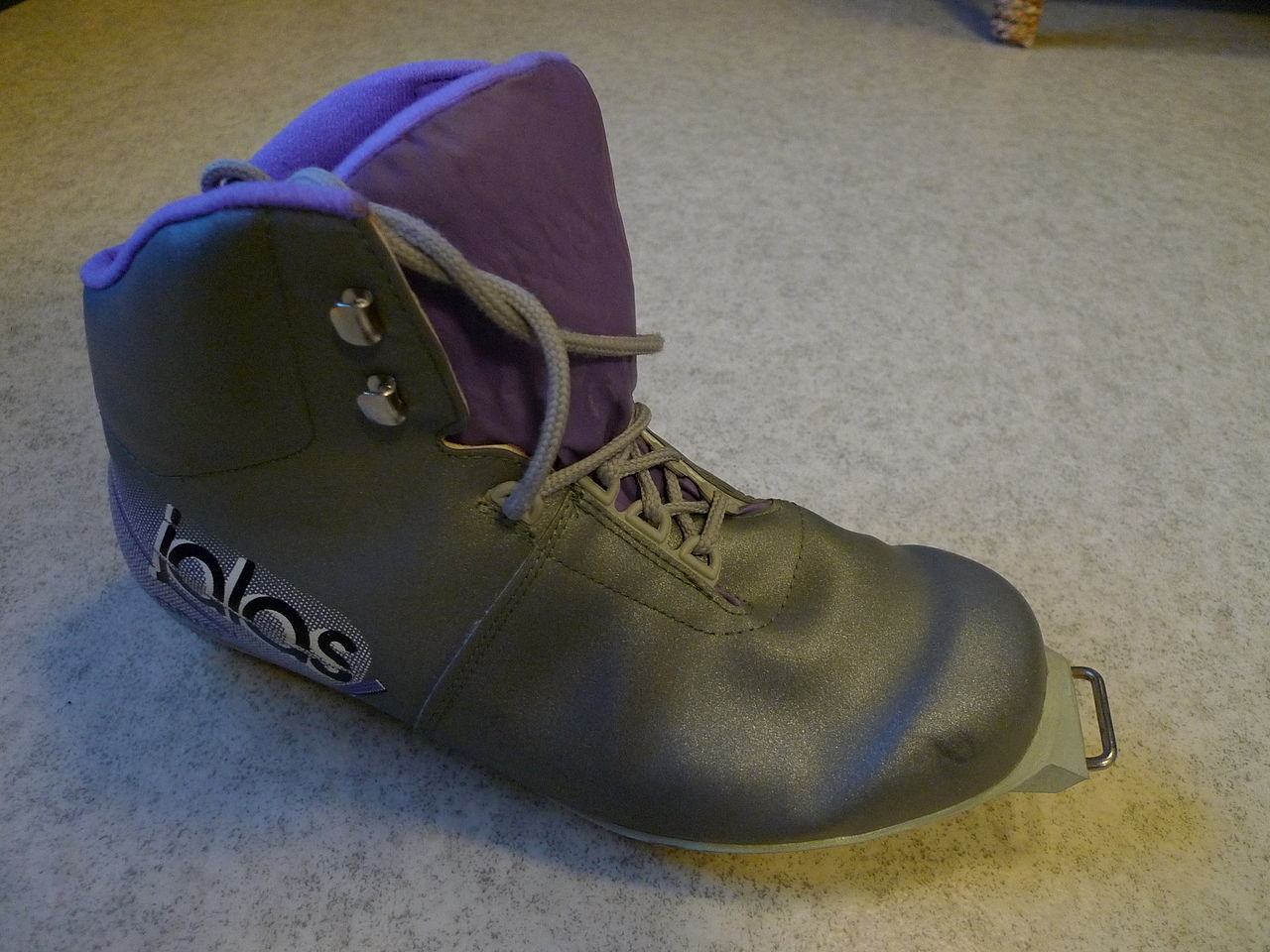
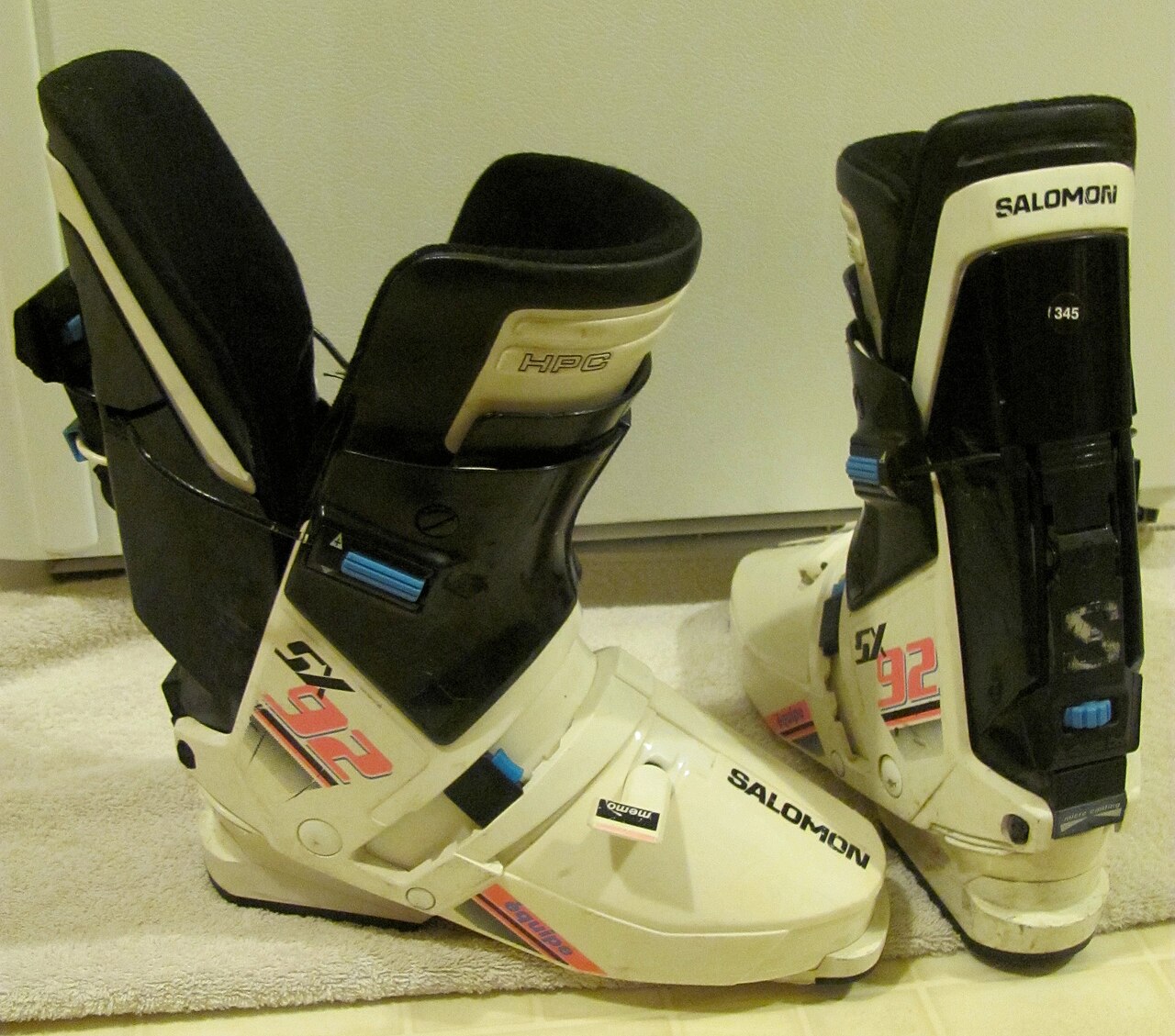
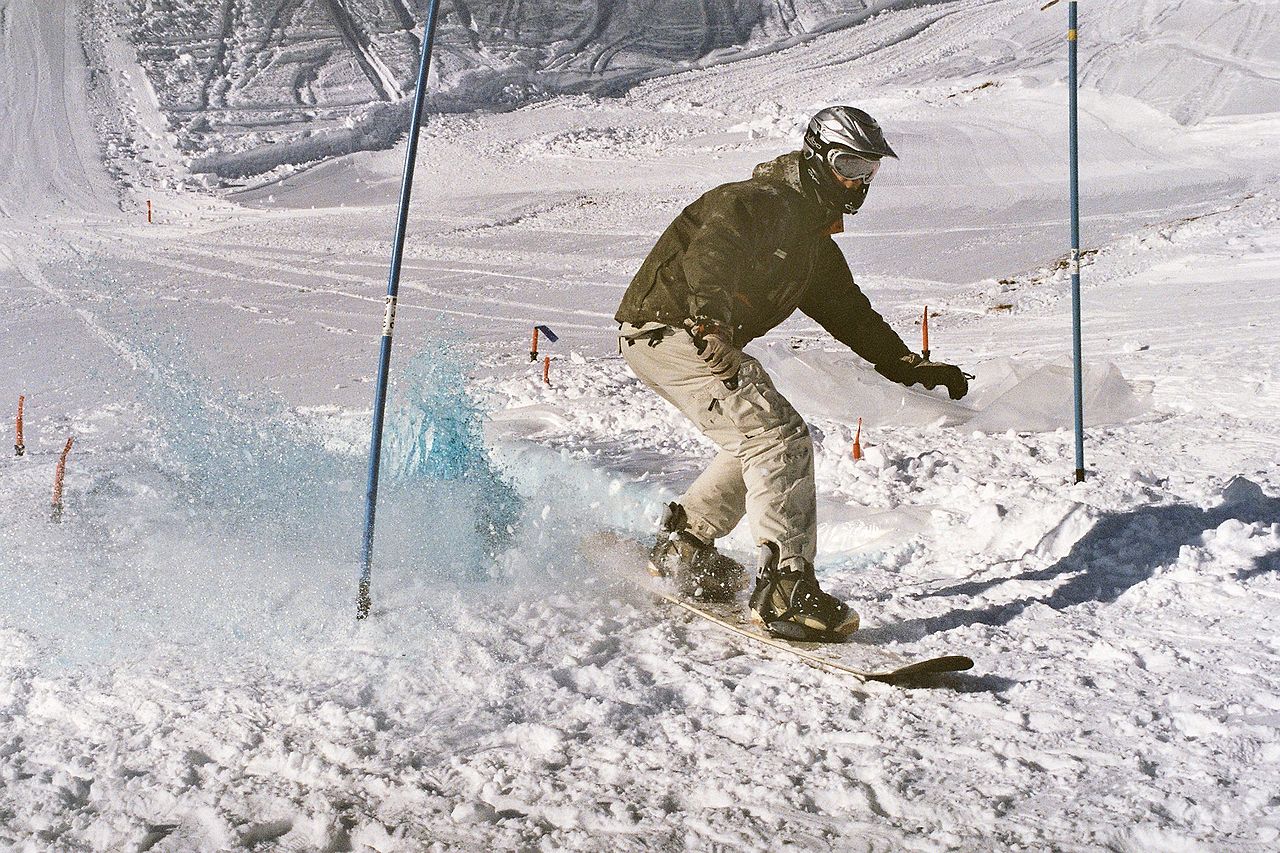


Types of ski boots
Different disciplines of skiing require different boot designs. A few common categories are:
- Alpine (downhill) boots: designed for maximum control and power transfer with a stiff shell and multi-buckle closures.
- Touring / backcountry boots: balance downhill stiffness with a "walk" mode or lightweight construction to ease climbing.
- Nordic / cross-country boots: lighter and more flexible, they usually attach to the ski only at the toe and allow a free heel for striding.
- Telemark and race boots: specialized forms that prioritize the particular movements or extreme stiffness required in racing.
Main components and materials
A typical ski boot consists of several parts: the rigid outer shell and cuff that shape and protect the foot and ankle, a removable padded liner that provides fit and insulation, buckles and straps to secure the foot, and a sole engineered to match compatible bindings. Materials have evolved from leather and wood to modern plastics such as polyurethane and polypropylene, giving more consistent performance, durability, and the possibility of heat-molding liners for a custom fit.
Brief history and development
Before the 1900s, ordinary boots were commonly used for skiing. Over time skiers and militaries adapted footwear for snowy conditions, and purpose-made designs emerged to improve control and safety. During the 20th century innovations in binding systems and the introduction of synthetic plastics transformed ski boots into the much stiffer, precisely fitting products used today. These developments paralleled changes in ski construction and binding release technology.
Fitting, use, and safety
Fit is critical: too loose reduces control, too tight causes pain and circulation problems. Many skiers visit a professional bootfitter to choose the right shell size, liner options, and footbed. Features such as adjustable buckles, power straps, and walk modes influence comfort for different activities. Boots must be compatible with the chosen bindings; alpine systems grip both toe and heel solidly while many Nordic systems connect only at the toe. Regular inspection of buckles, soles and binding interfaces, and the advice of a qualified technician, help maintain safe performance. For consumer guidance and care tips see fitting advice and binding compatibility.
Practical considerations and notable facts
Ski boots affect performance, warmth, and injury risk, so selecting the right type for your skiing style is important. Liners can be heat-molded to improve comfort, and aftermarket insoles or custom footbeds often improve support. Backcountry and ski-mountaineering enthusiasts choose lighter, more mobile models, while alpine racers use very stiff boots to maximize edge control. For more on maintenance, replacement parts and advanced fitting techniques consult specialist sources such as manufacturer pages or professional shops (learn more).
Related articles
Author
AlegsaOnline.com Ski boots: design, types, history, and fitting Leandro Alegsa
URL: https://en.alegsaonline.com/art/90908
Sources
- books.google.com : Historical Dictionary of Skiing
- books.google.com : Encyclopaedic Dictionary of Clothing and Textiles