
Ski pole: design, history, types and uses
Ski poles are hand-held poles used by skiers for balance, propulsion and timing. This article explains parts, materials, types, history, selection and common uses on alpine and Nordic skis.
Overview
Ski poles are long, slim implements carried by skiers to assist with balance, rhythm, steering and propulsion. They appear in most forms of skiing, from alpine and telemark to classic and skate cross-country. In everyday speech they have regional names: in the United Kingdom they are often called ski sticks, and in France they are known as batons.
Image gallery
5 Images


Parts and common materials
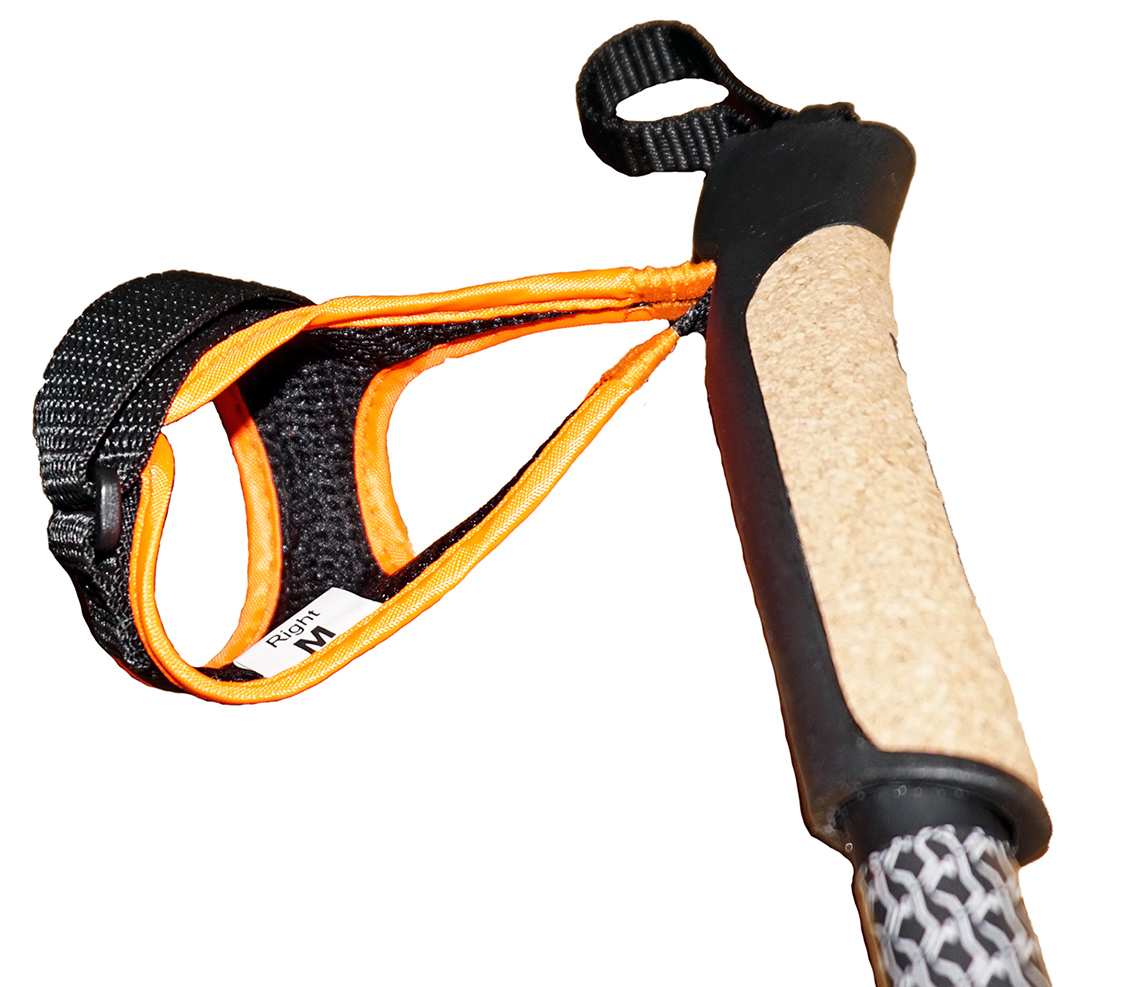
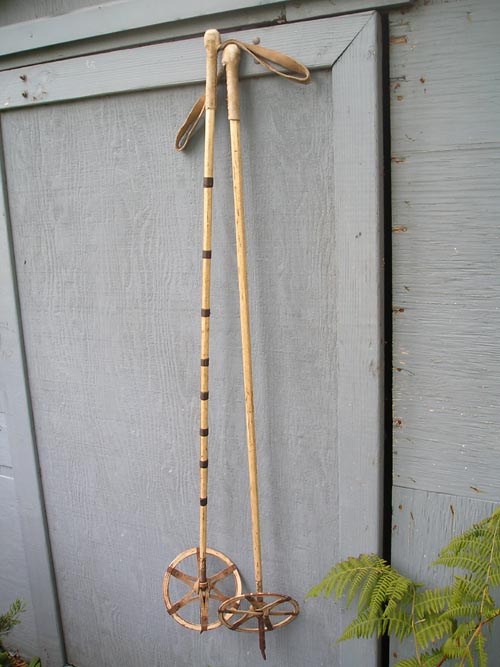
A modern ski pole typically consists of a grip with a strap, a shaft, a basket and a tip. Grips can be rubber or molded plastic and straps help secure the pole to the wrist. Baskets are wider discs or rings near the tip that prevent the pole from sinking too far into snow; tips are made of metal or carbide for traction on ice and hard snow.
- Materials: historically wooden, today most shafts are aluminum, composite or carbon fiber for a balance of strength and lightness.
- Accessories: powder baskets, rubber tips for walking, and guards for racing are common variants.
Types and selection
Poles are tailored to discipline: alpine poles are shorter and sturdier; cross-country poles are longer for propulsion; adjustable poles are used for touring and ski mountaineering. Proper length is chosen to support technique and comfort — a common practical guideline is to hold the pole vertically on the snow with the elbow forming a roughly right angle.
History and development
Early skiers used simple wooden staffs for balance and to help push across terrain. Over time, paired poles became standard as skiing techniques evolved in the 19th and early 20th centuries. Advances in metallurgy and composites led to lighter, stronger poles and a wider variety of shapes and baskets to suit different snow conditions.
Uses and notable distinctions
Ski poles aid balance, timing of turns, and propulsion in cross-country skiing; they are also used to plant for rhythm and to push off at the start. Specialized poles exist for racing (with protective guards), ski touring (adjustable length) and powder (large baskets). It is important to note that avalanche probes are separate tools and should not be confused with functional ski poles.
Related articles
Author
AlegsaOnline.com Ski pole: design, history, types and uses Leandro Alegsa
URL: https://en.alegsaonline.com/art/90914
Sources
- books.google.com : The Visual Dictionary of Sports & Games - Sports & Games
- books.google.com : Historical Dictionary of Skiing
- books.google.com : Skiing Heritage Journal
- worldcat.org : 1082-2895
- books.google.com : Historical Dictionary of Skiing