
Crazy Horse (Tasunke Witko): Oglala Lakota leader and war chief
Crazy Horse (c.1838–1877) was an Oglala Lakota leader known for his role in the Plains Indian Wars, notably the Battle of the Little Bighorn, and for his enduring cultural legacy among the Sioux.
Overview
Crazy Horse (Lakota: Tasunke Witko; born about 1838 — died September 5, 1877) was a prominent war leader of the Oglala Lakota (commonly called Oglala Sioux). He is remembered for his military leadership during the resistance to U.S. government encroachment on the Northern Plains, especially during the Great Sioux War of the mid-1870s. His life and death have become symbolic of Native American resistance and the dramatic changes that affected Plains cultures after sustained conflict with the expanding United States. Visitors today often associate him with the large mountain carving dedicated to his memory, known as the Crazy Horse Memorial in South Dakota.
Image gallery
6 Images


Names and early life
Born into the Oglala Lakota, he received the name often rendered in English as “Curly” in childhood and later took on the name Tasunke Witko, which is commonly translated as Crazy Horse. Like many Plains people, his identity and reputation were shaped by visions, acts of bravery and skill in hunting and warfare, and by the complex kinship networks of his band. Accounts of his youth describe episodes of spiritual visions and early displays of courage that contributed to his stature among the Oglala.
Leadership, tactics and the Battle of the Little Bighorn
Crazy Horse rose to prominence as a war leader (sometimes called a chief) who combined traditional Lakota warrior practices with flexible battlefield tactics. He is most widely known for his role in the events leading to the Battle of the Little Bighorn (June 25–26, 1876), where forces of Lakota, Northern Cheyenne and Arapaho defeated the 7th Cavalry Regiment of the U.S. Army under Lieutenant Colonel George Armstrong Custer. The victory at Little Bighorn was a high point of organized indigenous resistance, and Crazy Horse is often credited, by Lakota accounts and some historians, with playing a central role in the attack that routed Custer’s battalion.
Surrender, death and disputed details
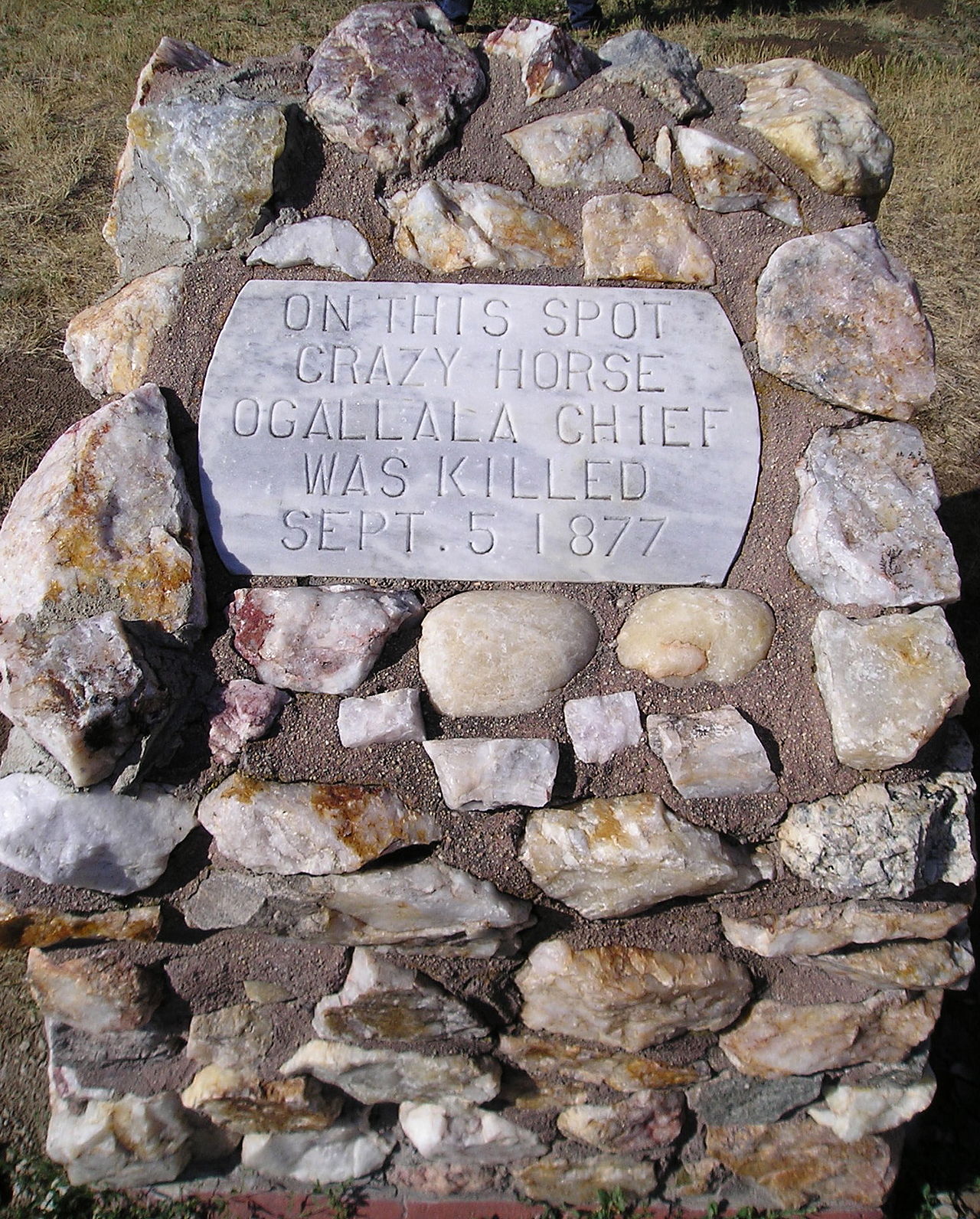
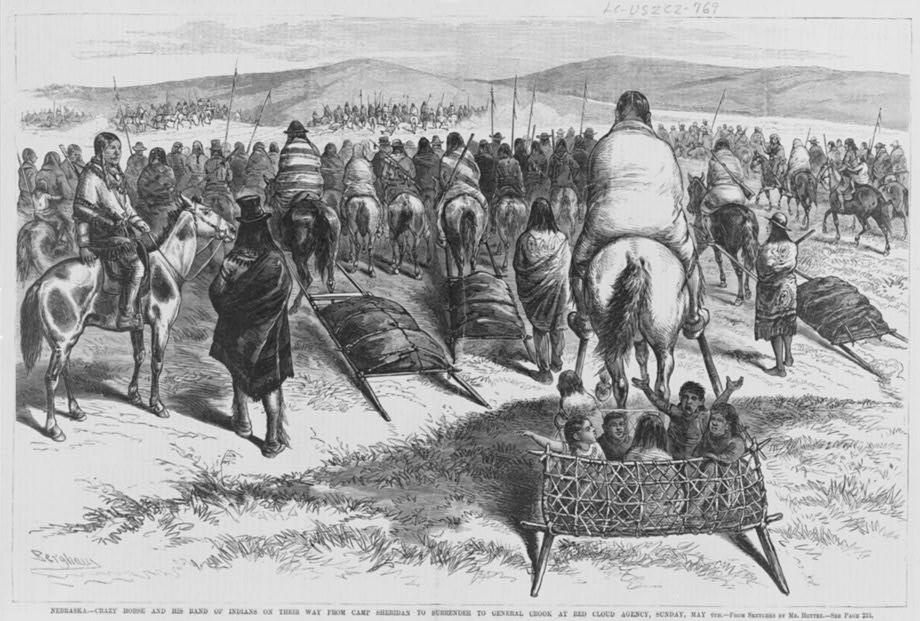
Following increasing military pressure, starvation among many bands and the collapse of the bison economy, portions of the Lakota people surrendered or were forced onto reservations. Crazy Horse led a group to the Red Cloud Agency and later sought refuge with non-treaty bands. In May 1877 he surrendered and was detained at Fort Robinson, Nebraska. While the exact circumstances of his death are the subject of differing accounts, the widely accepted version is that during an attempt to disarm him he was mortally wounded by a bayonet or knife during a scuffle with soldiers on September 5, 1877. His death removed one of the most determined opponents of reservation confinement, and it had a profound effect on Oglala society.
Personal life and family
- Lineage: He belonged to an important Oglala family and is sometimes identified by scholars as the third man in his line to bear the name Tasunke Witko.
- Marriages: Historical records and oral histories indicate he married more than once; accounts vary about spouses and children. One daughter who is often mentioned in sources died in early childhood.
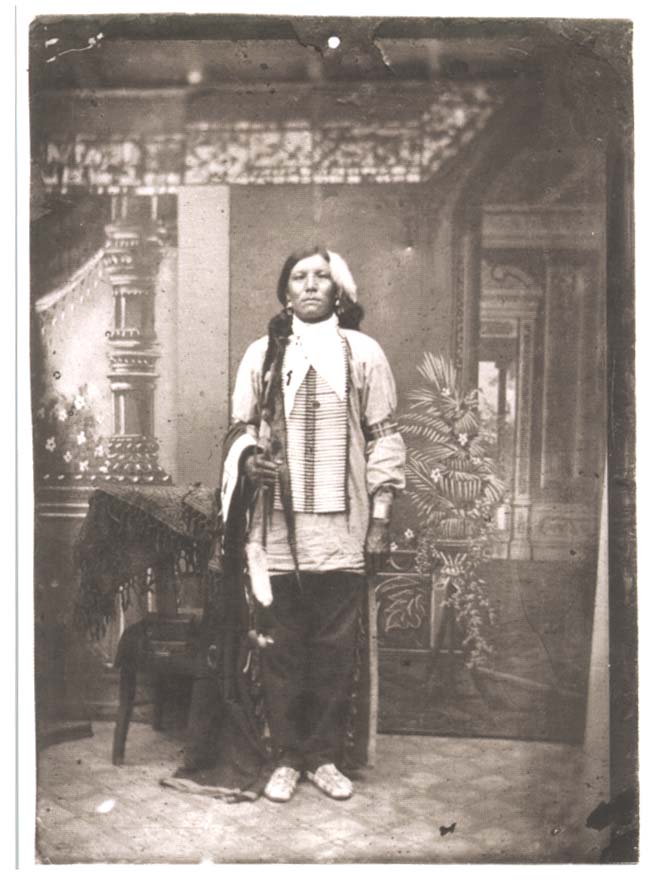
- Portraits and images: Few authenticated photographs of Crazy Horse survive, and many popular depictions rely on oral tradition, posthumous representations and later artistic interpretations.
Legacy, memorials and cultural significance
Crazy Horse is a potent symbol in both Native American memory and broader American history. The Crazy Horse Memorial, an enormous mountain carving in the Black Hills of South Dakota, was begun in the 20th century to honor him and Native American contributions; work on the monument continues and it attracts visitors who wish to learn more about Lakota history and culture. His name and story have been invoked in political and cultural contexts as emblematic of resistance, sovereignty and the losses experienced by indigenous peoples during westward expansion.
Notable facts and distinctions
- Crazy Horse fought alongside allied bands of Lakota, Northern Cheyenne and Arapaho during the height of armed resistance in the 1870s.
- He is closely associated with the Battle of the Little Bighorn, though the precise details of individual actions during that battle are drawn from oral histories and military reports that sometimes differ.
- His death took place while he was in U.S. custody at Fort Robinson and remains a subject of historical discussion because of differing eyewitness accounts.
Cultural references to Crazy Horse appear in books, films, songs and public commemorations. For authoritative and varied perspectives, readers may consult tribal histories, specialist biographies and museum collections that document Lakota lifeways and 19th-century Plains warfare. The following linked terms lead to further material and institutions connected to his life and the peoples who fought alongside him: Oglala Lakota, Crazy Horse Memorial, South Dakota, United States, Montana, Sioux, Cheyenne, Arapaho, Battle of the Little Bighorn, and comparative figures such as Geronimo and the Apache.
Because much of what is known about Crazy Horse comes from oral tradition and from accounts recorded by non-Native observers, historians approach some details with caution and emphasize cross-referencing tribal oral history with documentary sources. His life remains central to Lakota identity and to wider discussions about the American West, indigenous sovereignty and historical memory.
Questions and answers
Q: Who was Crazy Horse?
A: Crazy Horse was an Oglala Sioux Native American chief born around 1838 who died on September 5, 1877.
Q: What was the name given to him when he was born?
A: When Crazy Horse was first born he was given the name 'Curly'.
Q: How did his father react when he had a vision as a young boy?
A: His father found him and was very unhappy at what young Curly had done.
Q: What battle is Crazy Horse known for leading?
A: Crazy Horse led his people to the Little Bighorn river in northern Montana to join forces with other Sioux bands like the Hunkpapa and Miniconjou, and with other tribes like the Cheyennes and Arapahos. There they fought General George Armstrong Custer, killing and defeating him and his many horsemen.
Q: Why did Crazy Horse eventually lead his people to a reservation?
A: Game was scarce and the bison (buffalo) were nearly gone so there wasn't enough food for them, so he had no choice but to leave the Black Hills and lead them to a reservation.
Q: How did Crazy Horse die?
A: When he arrived at Fort Robinson, he was forced to give up his weapons and horses which made him very unhappy. One day, even though he was granted time to go on a hunt, he was lied to and trying to get away, he got stabbed in his liver which caused him death later that night.
Q: Who are descendants of Crazy Horse?
A: The Sioux Royal Family, also known as The House of Thasunke Witko are descendants of Crazy Horse.
Related articles
Author
AlegsaOnline.com Crazy Horse (Tasunke Witko): Oglala Lakota leader and war chief Leandro Alegsa
URL: https://en.alegsaonline.com/art/116875