
Sinking of MV Conception (2019) off Santa Cruz Island
A fatal early‑morning fire on the dive boat Conception on Sept. 2, 2019, off Santa Cruz Island, California, resulted in the vessel’s sinking and the deaths of dozens, prompting federal investigations and safety reforms.
Overview
On September 2, 2019, the 75‑foot dive boat Conception caught fire and sank while anchored in Platts Harbor on the north shore of Santa Cruz Island, off the California coast. The blaze broke out in the early hours of the morning while passengers were sleeping below decks. The United States Coast Guard mounted a multi‑agency rescue and recovery operation; the Coast Guard later reported the recovery of many victims.
Image gallery
10 Images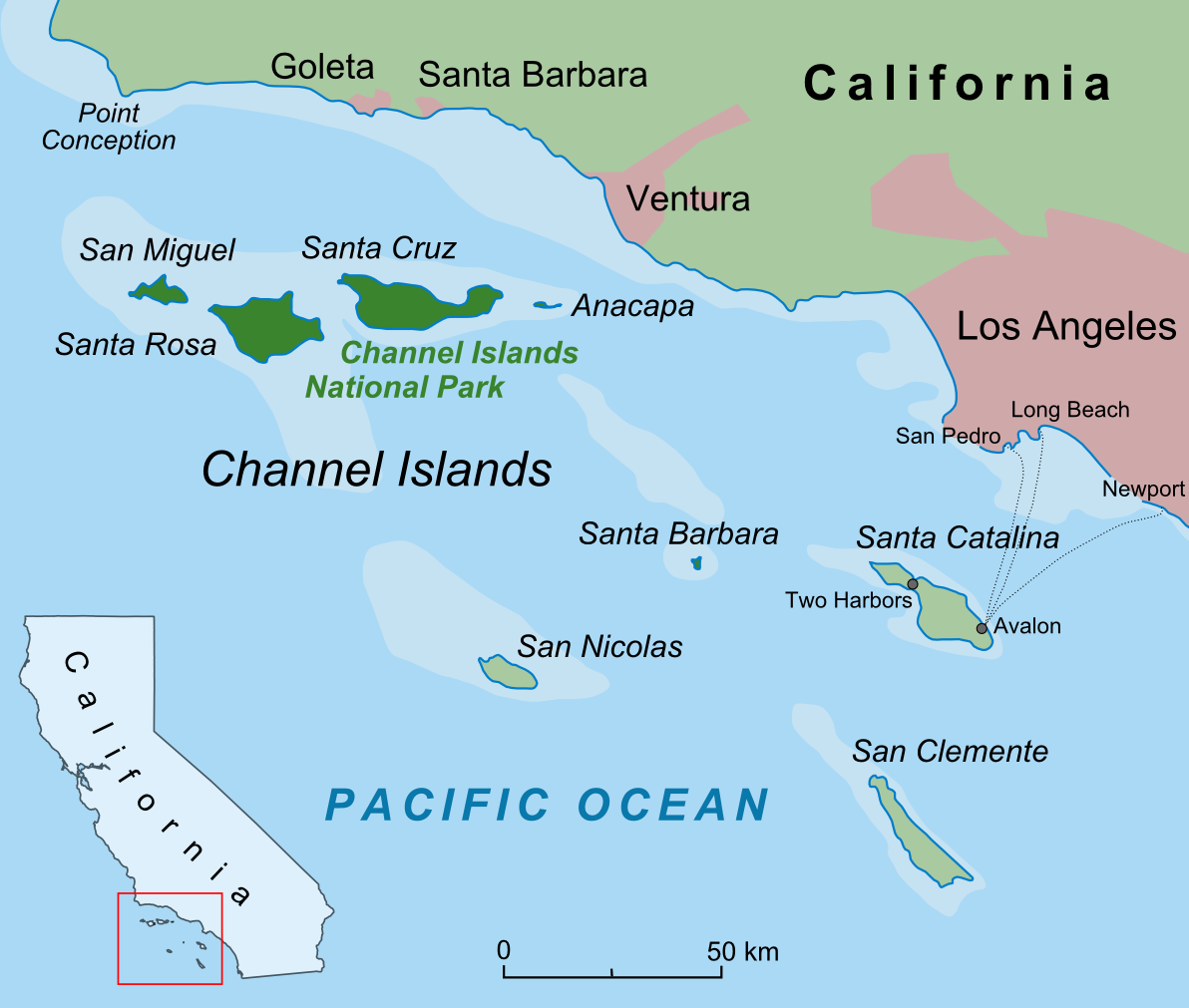



What happened
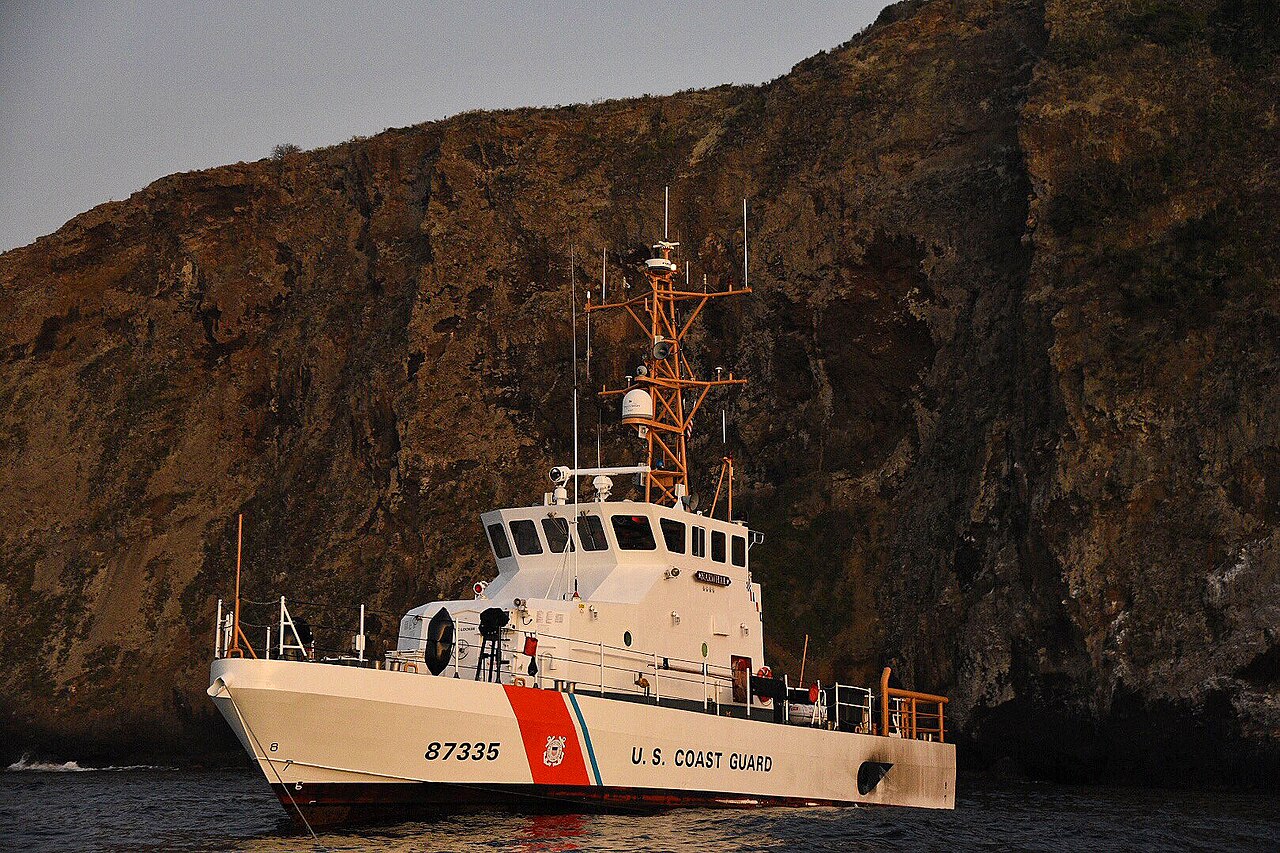
The Conception was operating as a live‑aboard dive vessel. The fire occurred when the vessel was at anchor and most passengers were asleep in a bunkroom beneath the main deck. Smoke and flames spread rapidly through the accommodation spaces. Emergency responders found the vessel partially submerged; divers recovered bodies from the sunken hull. Coast Guard divers counted 25 bodies in the wreck and reported nine others missing, figures that together represent the overwhelming human toll of the disaster.
Investigations and findings
Federal and state agencies, including the National Transportation Safety Board and the U.S. Coast Guard, investigated the cause and chain of events. Investigators examined fire origin and propagation, crew procedures, alarm and detection equipment, and means of escape. Contributing factors identified by investigators and safety experts included the rapid spread of fire in enclosed sleeping areas, limited available escape routes from below decks, and shortcomings in night‑watch practices.
Recommendations and industry response
The incident led to calls for changes in regulations and industry practices for small passenger vessels. Suggested and recommended measures included:
- Improved fire detection and suppression systems in sleeping accommodations,
- Clear, unobstructed and properly lit escape routes and accessible emergency exits,
- Mandatory roving night watches or other measures to ensure prompt detection of onboard fires, and
- Safer stowage and charging rules for lithium‑ion batteries and other ignition sources.
Regulators and operators in the recreational dive and small passenger vessel sectors reviewed safety guidance and in some cases implemented additional precautions and equipment upgrades. The event remains a focal point in discussions about maritime safety for overnight passenger operations and has influenced rulemaking and enforcement priorities.
Significance
Beyond the immediate tragedy, the sinking of the Conception highlighted vulnerabilities in emergency preparedness aboard small live‑aboard vessels and prompted renewed attention to passenger evacuation planning, alarm systems, and crew training. The incident is often cited in safety briefings and regulatory reviews as an example of how fire can quickly overwhelm enclosed sleeping spaces and why prevention, early detection, and clear escape options are critical.
Related articles
Author
AlegsaOnline.com Sinking of MV Conception (2019) off Santa Cruz Island Leandro Alegsa
URL: https://en.alegsaonline.com/art/90670