
Simone Weil: philosopher, mystic, and social activist
Overview of Simone Weil (1909–1943): her life, thought, social engagement, major themes and works, and legacy as a distinctive voice in 20th‑century philosophy and spiritual writing.
Overview
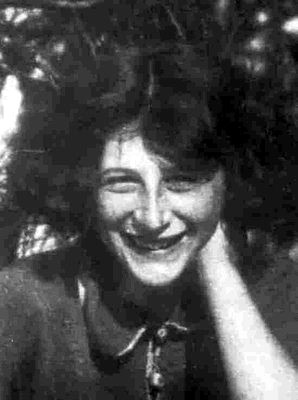
Simone Weil was a French thinker, teacher and activist born in Paris and raised in France. She died in Ashford, Kent in 1943. Of Jewish descent, Weil developed a singular body of work that blends rigorous philosophical inquiry with religiously inflected reflection and a deep commitment to social questions.
Image gallery
10 Images




Education and public engagement
Trained at the École Normale Supérieure and certified in philosophy, Weil combined academic study with direct experience. She taught in secondary schools, took factory work to understand industrial labour from inside, and engaged with political struggles of her time. Her method emphasized attention to concrete suffering as well as abstract analysis.
Central themes
Weil's writings move between ethics, metaphysics and spiritual practice. Important recurring themes include:
- Attention — a disciplined form of receptivity that she described as the basis for learning and prayer.
- Affliction — an ethical and theological category she used to name extreme suffering that removes ordinary dignity.
- Decreation — a spiritual idea about the self diminishing to allow the divine or the other to appear.
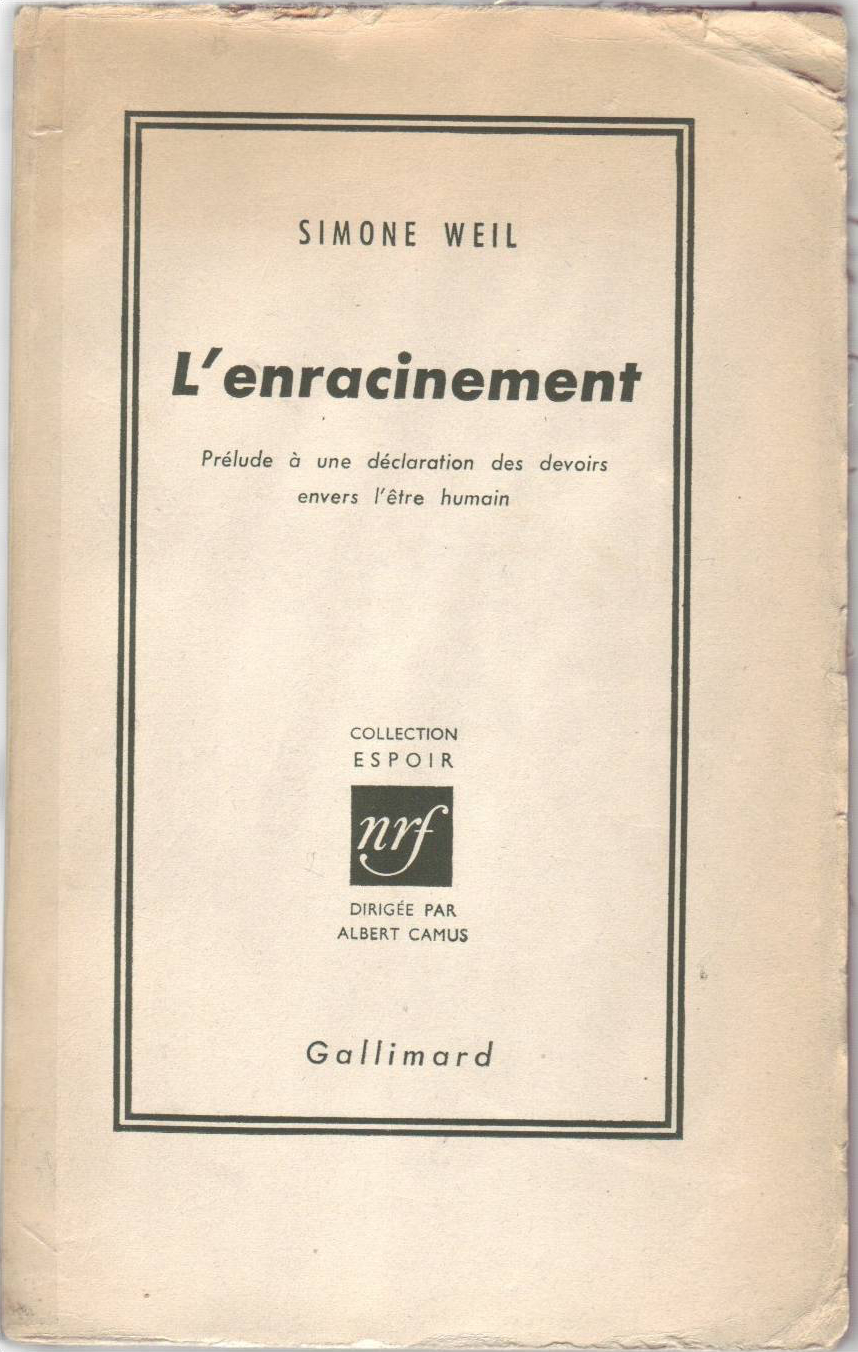
- Rootedness and obligation — social and political claims about duties to communities and vulnerable people.
Religion, influence and classification
Weil is often discussed in religious terms — some call her a gnostic thinker or a Christian mystic — though she remained privately independent of institutional affiliation. Her concern for social justice, and her reflections on salvation and responsibility, connect with questions of soteriology while resisting simple categorization.
Works, style and legacy
Her prose ranges from essayistic polemic to aphoristic, fragmentary notes. Major books and collections commonly associated with her include Gravity and Grace, Waiting for God and The Need for Roots, written during wartime exile. Weil's influence extends across philosophy, theology, political thought and literature; she remains admired for the moral intensity and originality of her insights.
Notable facts
Weil purposely sought contact with workers to ground her ideas in lived conditions. During the Second World War her physical condition worsened; accounts emphasize that her refusal to accept extra food in exile — motivated by solidarity with occupied France — contributed to the decline that led to her early death. Her legacy is a challenging mixture of ascetic spirituality and radical social concern.
Related articles
Author
AlegsaOnline.com Simone Weil: philosopher, mystic, and social activist Leandro Alegsa
URL: https://en.alegsaonline.com/art/90551