
Sinclair Lewis — American novelist, satirist, and first U.S. Nobel laureate
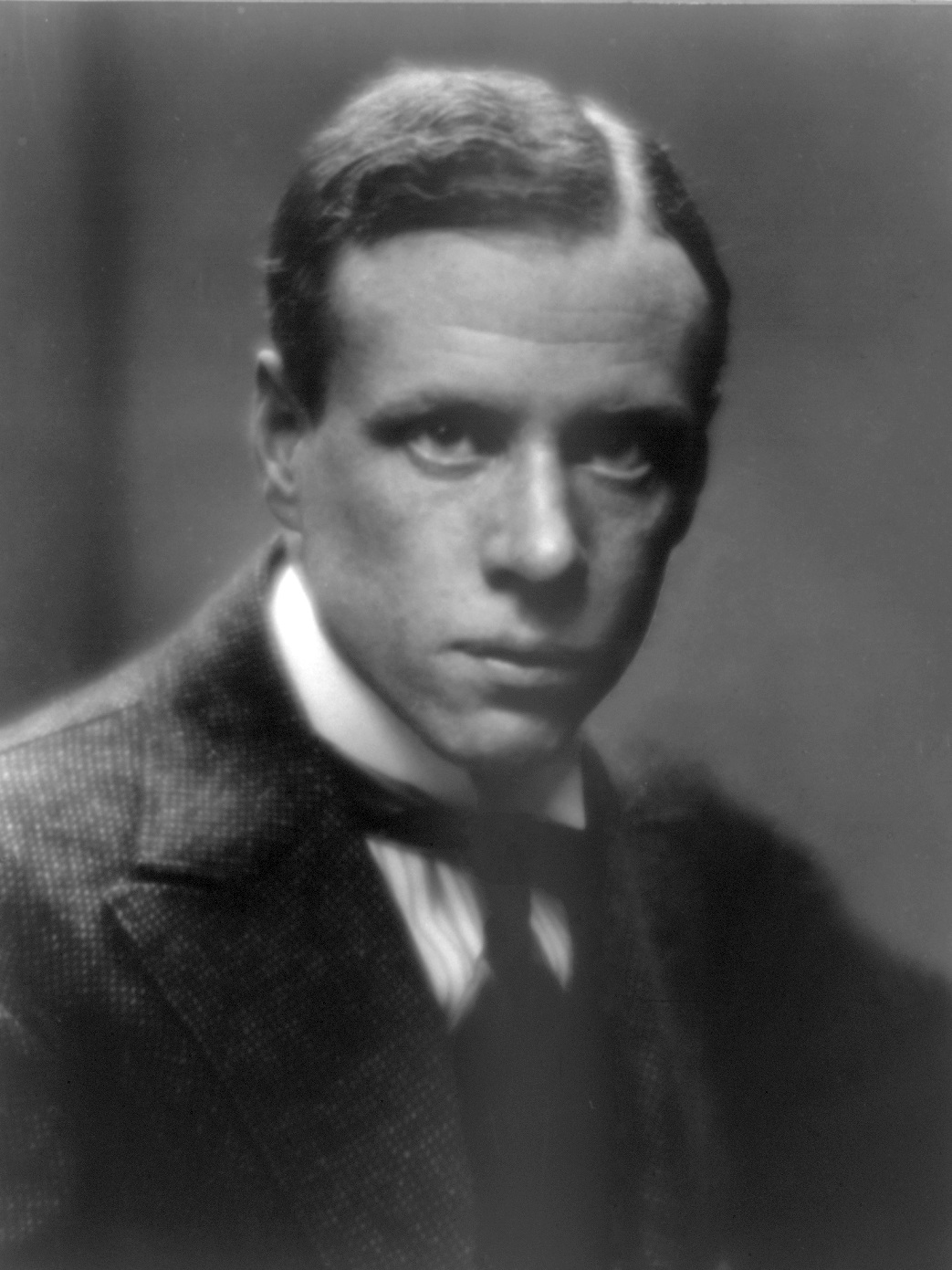
Sinclair Lewis (1885–1951) was an American novelist and social satirist best known for Main Street, Babbitt and Arrowsmith; he was the first American to receive the Nobel Prize in Literature.
Harry Sinclair Lewis was a prominent American novelist and social critic whose fiction exposed the limits and hypocrisies of early 20th‑century American life. In 1930 he became the first writer born in the United States to be awarded the Nobel Prize in Literature, a recognition that brought international attention to his work and its satirical edge.
Lewis grew up in a small Minnesota town and later attended college in the Northeast, experiences that shaped his recurring focus on provincialism, conformity and the tensions between individual ambition and social pressure. He wrote novels, short stories, plays and essays, and supported himself for years with journalism and travel writing while developing his fiction.
Image gallery
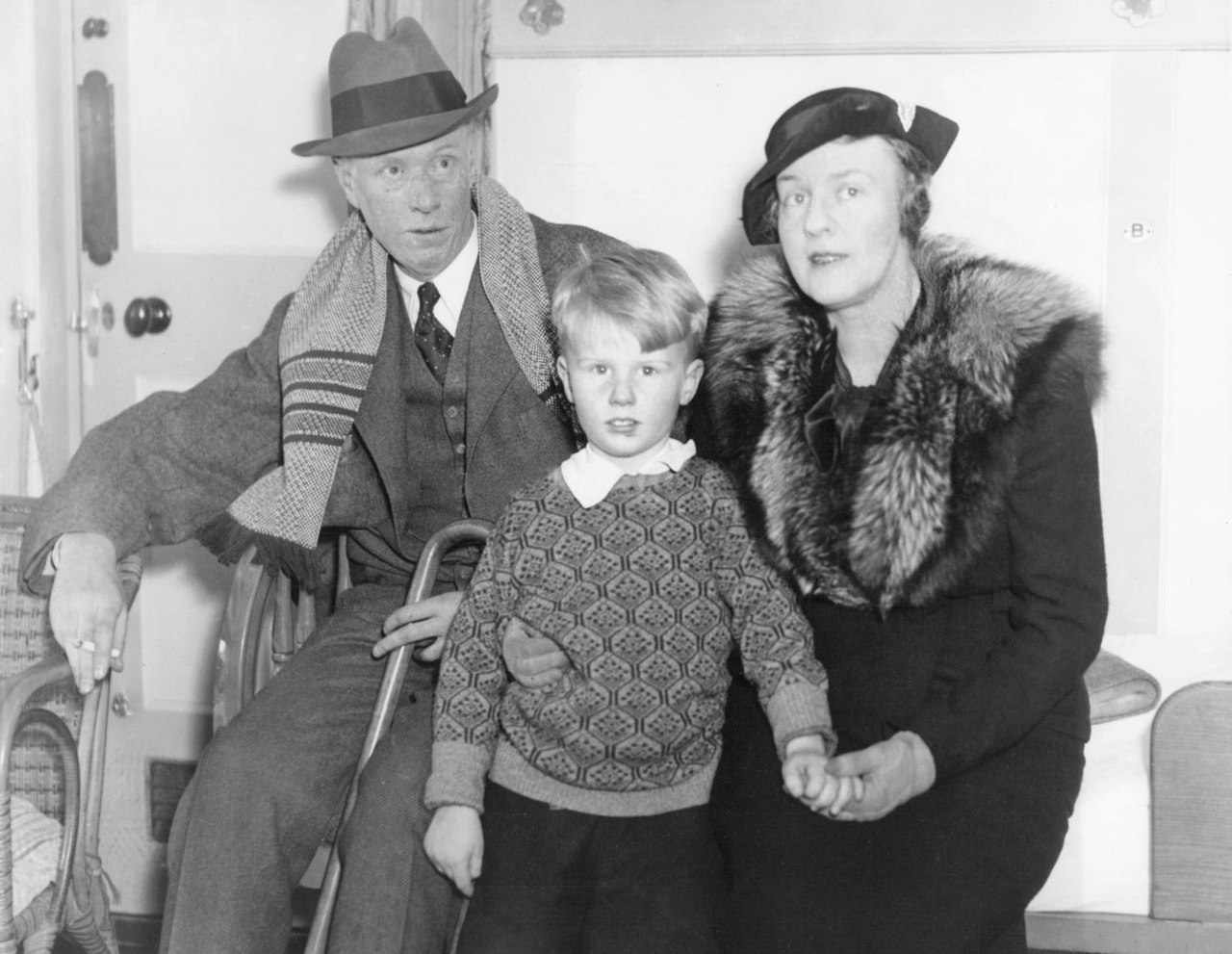
10 Images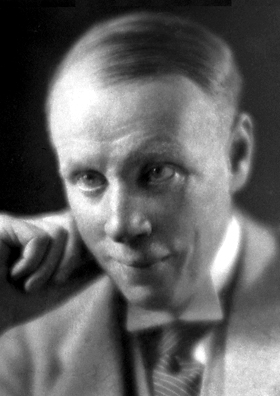





Major works
Several of Lewis's novels became landmarks of American realism and satire. Notable titles include:
- Main Street — a critique of small‑town narrowness and social complacency.
- Babbitt — a portrait of middle‑class boosterism and the hollow pursuit of respectability.
- Arrowsmith — a novel about a physician and the ethical conflicts of science (Lewis declined the Pulitzer Prize awarded for this book).
- Elmer Gantry — a controversial satire on religious opportunism that provoked strong public reactions.
His books often reached wide popular audiences and were adapted for stage and screen, helping shape public debates about modern American culture, business, and religion.
Style, themes and legacy
Lewis combined realist description with sharp social satire. He excelled at creating recognizable social types and ironic scenes that dramatized conformity, commercialism and moral compromise. Critics praised his energy and incisiveness while some accused him of caricature or of insufficient sympathy for his subjects. Despite such debates, his influence on American literature is significant: he helped popularize social criticism in novel form and opened the way for later writers to examine American institutions and values.
Beyond his Nobel distinction, Lewis's career illustrates the tensions between literary ambition and public reception. He continued writing into the mid‑20th century and died in 1951. Today his major novels remain read as both historically revealing documents and lively works of satire that probe the ideals and anxieties of modern American life.
Related articles
Author
AlegsaOnline.com Sinclair Lewis — American novelist, satirist, and first U.S. Nobel laureate Leandro Alegsa
URL: https://en.alegsaonline.com/art/90597
Sources
- nobelprize.org : "Nomination Database"