
Silvertown, London
Silvertown is an industrial and riverside district in the London Borough of Newham on the north bank of the Thames, known for 19th-century factories, the 1917 explosion, and large-scale 21st-century redevelopment.
Overview
Silvertown is a historically industrial district in the London Borough of Newham. It lies on the north bank of the River Thames and forms part of the Port of London. The district developed in the 19th century around factories and docks and retains a strong industrial character even as parts of it are being transformed by modern redevelopment projects. For local administrative context see London Borough of Newham and for its wider location see East London. Its riverside position links it to the Port of London and the tidal River Thames.
Image gallery
3 Images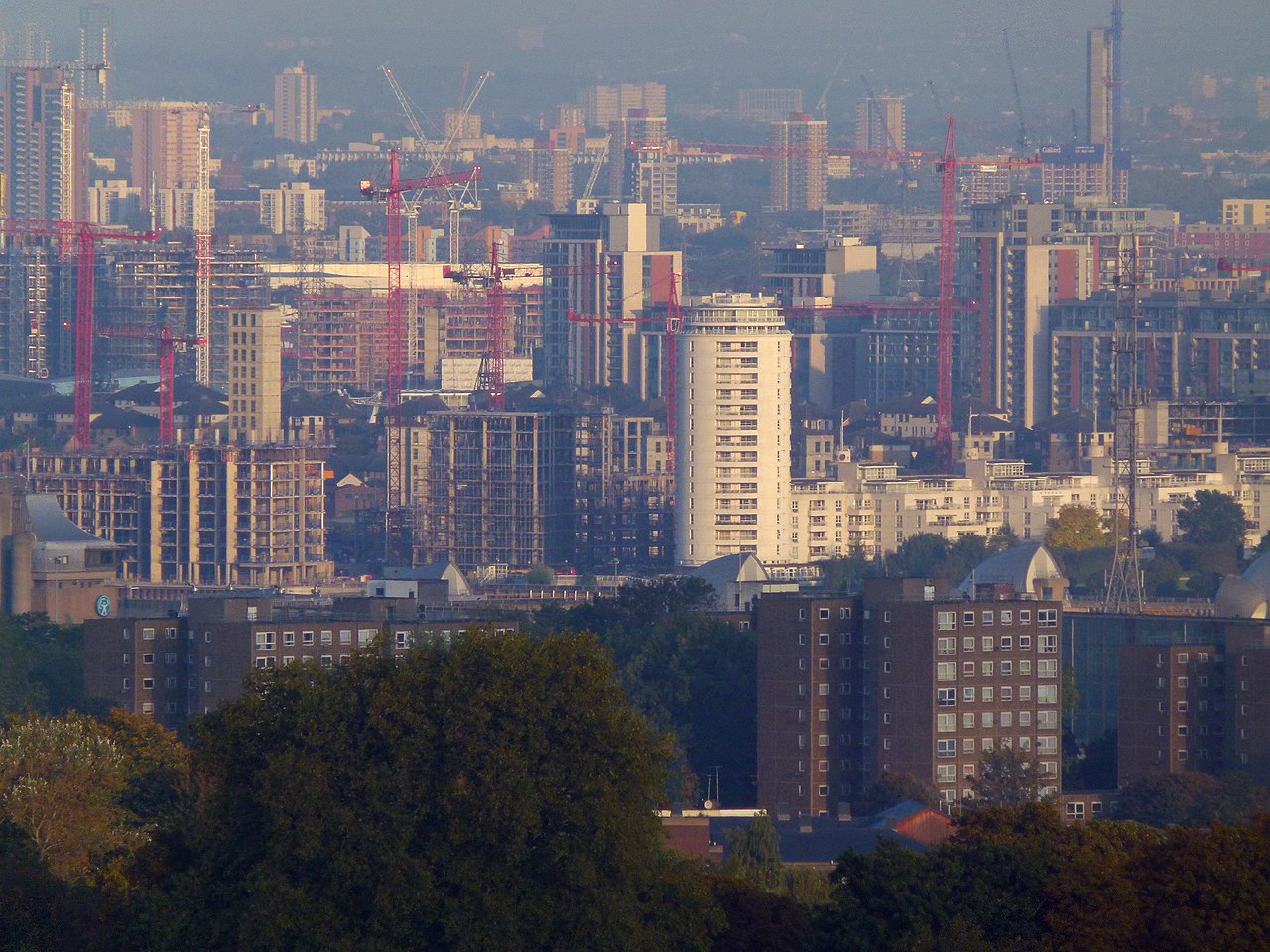


Origins and industrial growth
The name Silvertown comes from Samuel Winkworth Silver, whose rubber works opened in the area in 1852. During the later 19th and early 20th centuries Silvertown became home to heavy industrial uses: sugar refineries, chemical works, animal rendering plants and dockside infrastructure. These industries were attracted by deep-water access, railway and road connections, and proximity to London’s growing markets.
Notable events
Silvertown’s industrial role has produced both economic activity and notable incidents. In the early 20th century the area experienced a major wartime explosion at a munitions-related works, an event that caused widespread damage and loss of life and left a lasting impression on local memory. Over the decades the riverside factories and mills shaped the landscape and community of the neighbourhood.
Contemporary redevelopment
From the late 20th century onward many former dockside and industrial sites around Silvertown have been subject to regeneration proposals. A major redevelopment scheme for Silvertown Quays and adjacent land received planning approval in 2015 with plans intended to introduce new homes, offices, cultural space and public waterfront access. The proposal, described in national and local press as a multi-billion pound project, is part of wider efforts to re-purpose former industrial land along the Thames.
Features and uses today
Despite redevelopment, elements of Silvertown’s industrial base remain visible. The area is still associated with large processing plants such as the well-known sugar refinery and animal-processing facilities. This mixture of old industry and new development gives Silvertown a hybrid character: working waterfront, brownfield regeneration sites and pockets of residential and commercial activity co-exist.
Places of interest and access
- Riverside industrial sites and quaysides, some awaiting redevelopment.
- Historic industrial buildings and former mill structures visible in the landscape.
- Planned public realm improvements and proposals for cultural and business space.
Silvertown illustrates the broad pattern seen across London’s former docklands: a transition from heavy industry to mixed-use urban quarters, balanced with efforts to preserve local history and support the communities that grew up around its factories and docks. For maps, transport details and council planning notes see local government and planning resources linked above.
Related articles
Author
AlegsaOnline.com Silvertown, London Leandro Alegsa
URL: https://en.alegsaonline.com/art/90487
Sources
- bbc.co.uk : "Go-ahead for Silvertown development"