
Smartism (Smarta tradition) — overview, beliefs and practices
Smartism (Smarta tradition) is a nonsectarian Hindu stream that emphasizes scriptural study, philosophical inquiry (often Advaita), and a pluralistic practice of worship including Panchayatana puja.
Overview
Smartism, often called the Smarta tradition, is a branch of Hindu religious life characterized by a broadly pluralistic approach to worship and an emphasis on scriptural and philosophical learning. Smartas accept a range of deities and recognise a supreme, formless reality (Brahman) while allowing different personal forms of devotion. The tradition has been described as comparatively liberal because it tolerates multiple devotional paths within a single household or community rather than insisting on exclusive allegiance to one god.
Image gallery
4 Images


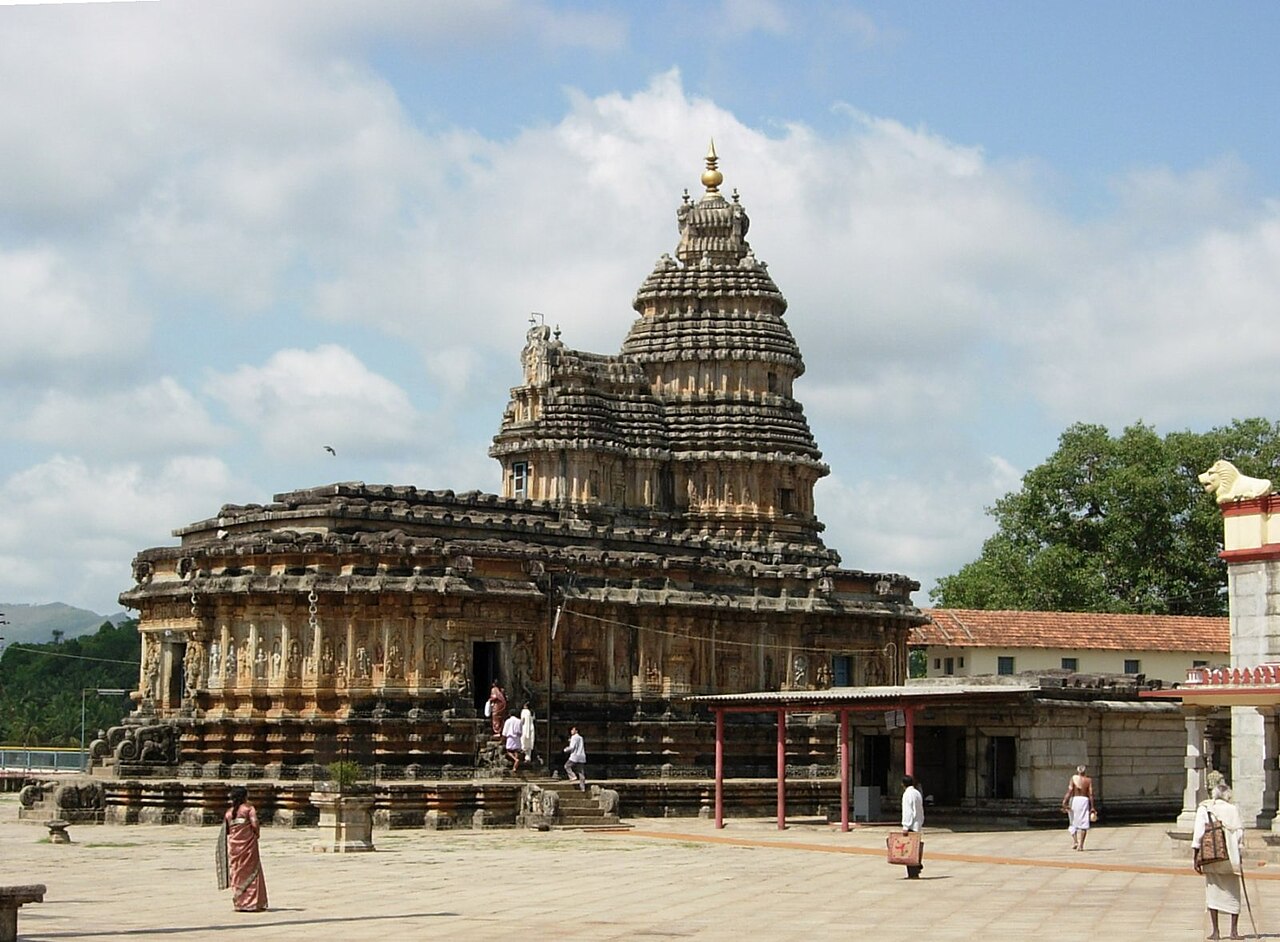
Beliefs and philosophy
Central to Smartism is the idea that the many gods of Hinduism are visible manifestations of the same ultimate truth. Many Smartas follow Advaita Vedanta — a nondual philosophy that teaches identity of the individual self (Atman) and Brahman — though the Smarta label can encompass a range of Vedantic views. Scriptural authority in Smartism draws on the Vedas and the Upanishads (śruti) as well as smṛti texts and classical commentaries. Personal devotion (bhakti), ritual action (karma), and philosophical reflection (jñāna) are seen as complementary paths.
Rituals and worship
One distinctive Smarta practice is the Panchayatana puja, a system of worship that arranges five deities together so devotees may honour several gods at once. The set commonly includes Shiva, Vishnu, Devi (the goddess), Surya (the Sun), and Ganesha, though local variations exist. Smartas often adopt an ishta-devata (chosen deity) while still recognising the legitimacy of other forms. Worship may take place in family shrines, temples, and during festivals; scriptural study and recitation are also important. Typical elements include daily offerings, mantra recitation, and ritual life-cycle ceremonies performed by household priests.
History and development
The Smarta orientation crystallised in the early medieval period and became closely associated with the revival and systematisation of Vedanta thought. The 8th-century scholar Adi Shankaracharya is frequently credited with popularising the Panchayatana system and with advancing Advaita Vedanta, which influenced many Smarta communities. Over centuries Smartism adapted to local cultures across India, producing varied regional expressions while maintaining a shared emphasis on textual authority and philosophical enquiry.
Community, distribution and institutions
Smartas are found among many brahmin and non-brahmin communities in India, with notable presence in the southern states as well as in other regions. The tradition is typically transmitted through familial lines and through priestly networks; study schools (pathshalas) and monastic institutions associated with Advaita have also nurtured Smarta learning. Unlike more sectarian movements, Smarta identity often coexists with other forms of Hindu devotion and social life.
Distinctions and contemporary significance
Smartism differs from sect-centred forms such as Hinduism branches that concentrate exclusively on one deity; for comparison, see traditions often labelled Shaivism and Vaishnavism. Its pluralistic stance has been influential in promoting inter-deity tolerance and philosophical dialogue within Hinduism. Today the Smarta approach is visible in household worship practices, in the work of Advaita scholars, and in modern movements that stress harmony between devotion, ritual practice, and philosophical inquiry.
Related articles
Author
AlegsaOnline.com Smartism (Smarta tradition) — overview, beliefs and practices Leandro Alegsa
URL: https://en.alegsaonline.com/art/91199