
Sighişoara — medieval citadel and town in Mureş County, Romania
Sighişoara is a well-preserved fortified town in Mureş County, Romania, known for its medieval citadel, towers and cobbled streets; traditionally linked to Vlad the Impaler and popular with cultural tourism.
Sighişoara is a small historic town in central Romania, celebrated for its compact medieval citadel and notably intact defensive structures. The old core sits on a hill above the Târnava Mare River and remains inhabited, combining residential life with heritage tourism. The settlement is formally recognized as a city and serves as an administrative municipality within Mureş County.
Image gallery
10 Images
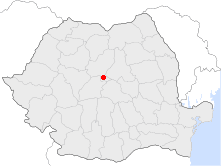


Overview and demographics
Built and developed by German-speaking Transylvanian Saxons beginning in the Middle Ages, Sighişoara retains much of its original layout: narrow streets, fortified walls and distinctive towered gateways. It had a population of about 28,000 at the 2011 census, though numbers fluctuate seasonally with visitors drawn to its historic center.
History and origins
The town emerged in the medieval period as a Saxon trading and defensive strongpoint on Transylvania's trade routes. Over centuries local guilds and civic authorities built watchtowers, gates and a prominent clock tower to protect the citadel. Sighişoara is often mentioned as the traditional birthplace of Vlad III (Vlad the Impaler), a connection that contributes to its international notoriety.
Architecture and notable sites
The fortified core preserves a succession of towers, the covered Scholars' Stairs leading up to the hilltop church, and the imposing Clock Tower that houses a local history museum. Visitors commonly explore:
- The Citadel square and cobbled streets
- The Clock Tower and museum
- The Church on the Hill and the covered staircase
- Surviving guild towers and bastions
Culture, tourism and preservation
Sighişoara is regarded as one of the best-preserved inhabited fortified towns in Europe and its historic center has been recognized for international preservation. The town hosts cultural events, craft fairs and medieval-themed festivals that highlight its Saxon heritage and traditional architecture, making it a focal point for both national and foreign visitors.
Conservation of the citadel balances living community needs with heritage protection. Today Sighişoara is valued as an architectural ensemble that illustrates Transylvania's multicultural past and continues to attract scholars, tourists and photographers interested in medieval urban fabric.
Related articles
Author
AlegsaOnline.com Sighişoara — medieval citadel and town in Mureş County, Romania Leandro Alegsa
URL: https://en.alegsaonline.com/art/90301