
Silanus (Sardinia): history, archaeology and main sights
Silanus is a small town in central-west Sardinia noted for Nuragic remains, medieval churches (Santa Sarbana, San Lorenzo), the Nuraghe Madrone and a landscape of basalt plateaus and tombs of the giants.

Overview
Silanus is a comune in central Sardinia, administratively part of the Province of Nuoro. The town stands at about 432 metres above sea level at the foot of Monte Arbo and lies near the state road SS 129, roughly 13 km east of Macomer and some 40 km from the city of Nuoro. Its population is approximately 2,060 residents (figures from 2019). The municipal administration and local services are organized at the communal level; see the town information for local details and contacts via the municipality site.
Image gallery
1 Image
Geography and landscape
The territory around Silanus is characterised by a basalt plateau and rolling hills interspersed with wooded slopes and cultivated land. The plateau south of the town is known for a dense concentration of prehistoric stone monuments and scattered nuragic structures: it is a landscape where agricultural fields and pastoral areas meet archaeological remains. The town's position on transit routes such as the SS 129 has linked it historically to nearby centres like Macomer and provincial communications to Nuoro, while remaining within the cultural region of Sardinia.
History and archaeology
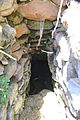
Silanus sits within a region that was populated in prehistoric times during the Nuragic period (second and first millennia BCE). Evidence in the area includes numerous nuraghi (stone towers), the so-called tombs of the giants—collective megalithic burial monuments typical of Bronze Age Sardinia—and sacred well sites linked to later ritual traditions. Among the best-known nearby archaeological remains are the Nuraghe Madrone, a well-preserved tower rising about 12.6 metres with two intact corbelled chambers, and several lesser nuraghi and ruins scattered across the basalt plateau described in local surveys (basalt plateau sites).
Main sights
- Church of San Lorenzo — a 12th-century Cistercian church whose garden contains several baityloi (standing stones) reportedly moved from a nearby tomb of the giants; the complex reflects medieval ecclesiastical patronage and rural monastic presence. See the local entry at San Lorenzo.
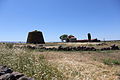
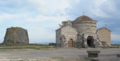
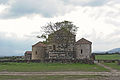
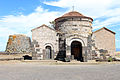
- Church of Santa Sarbana / Santa Sabina — an unusual 11th-century building near the SS 129. Its architecture mixes Byzantine influences and later Romanesque elements; the tripartite elevation recalls early Christian baptisteries and adjacent liturgical rooms. The church stands beside a nuraghe that bears the same name and was restored in the 20th century.
- Nuraghe Madrone and other nuraghi — a striking Nuragic tower with two cantilevered domes; around Silanus there are also sites called Ortu, Corbus, Ponte, Cubas and S'Ulivera that form a dense archaeological landscape.
- Sanctuary and Fountain of Cherchizzu — a natural spring site with associated sanctuary remains illustrating the long-lived importance of sacred wells in Sardinian ritual practice.
Culture, economy and access
Local life in Silanus remains largely rural: farming, olive cultivation, cereals and sheep husbandry form part of the traditional economy, supplemented by small-scale commerce and services. Cultural life often revolves around the parish and seasonal festivals, which reflect typical Sardinian religious and communal customs. The town is accessible by road; the SS 129 connects it to neighbouring communities and regional centres, while local roads lead to archaeological areas and hiking routes around Monte Arbo and the basalt plateau.
Distinctive facts and visiting tips
Silanus is notable for the juxtaposition of a living village and a rich prehistoric and medieval heritage: Bronze Age nuraghi and tombs of the giants sit within walking distance of Romanesque and early medieval churches. Visitors interested in archaeology and rural Sardinia will find compact, well-preserved examples of both traditions. For further regional context and administrative information consult the Province of Nuoro entry and regional guides: Province of Nuoro, Sardinia. Additional local site references and imagery are available through regional cultural resources and guidebooks; for visitor directions and practicalities consult local tourism pages linked to the town and surrounding communes.
For mapped locations and a short itinerary to major monuments see the local tourist map and resources available from municipal and provincial authorities: municipality, Nuoro provincial info. Additional archaeological overviews and site lists can be explored through curated heritage pages and academic summaries of the Nuragic landscape.
Related articles
Author
AlegsaOnline.com Silanus (Sardinia): history, archaeology and main sights Leandro Alegsa
URL: https://en.alegsaonline.com/art/90373
Sources
- istat.it : "Superficie di Comuni Province e Regioni italiane al 9 ottobre 2011"
- demo.istat.it : "Popolazione Residente al 1° Gennaio 2018"
- demo.istat.it : Istituto Nazionale di Statistica - Bilancio demografico al 30/11/2016
- istat.it : Superficie territoriale per zona altimetrica