
Šilalė — Town in Tauragė County, Lithuania
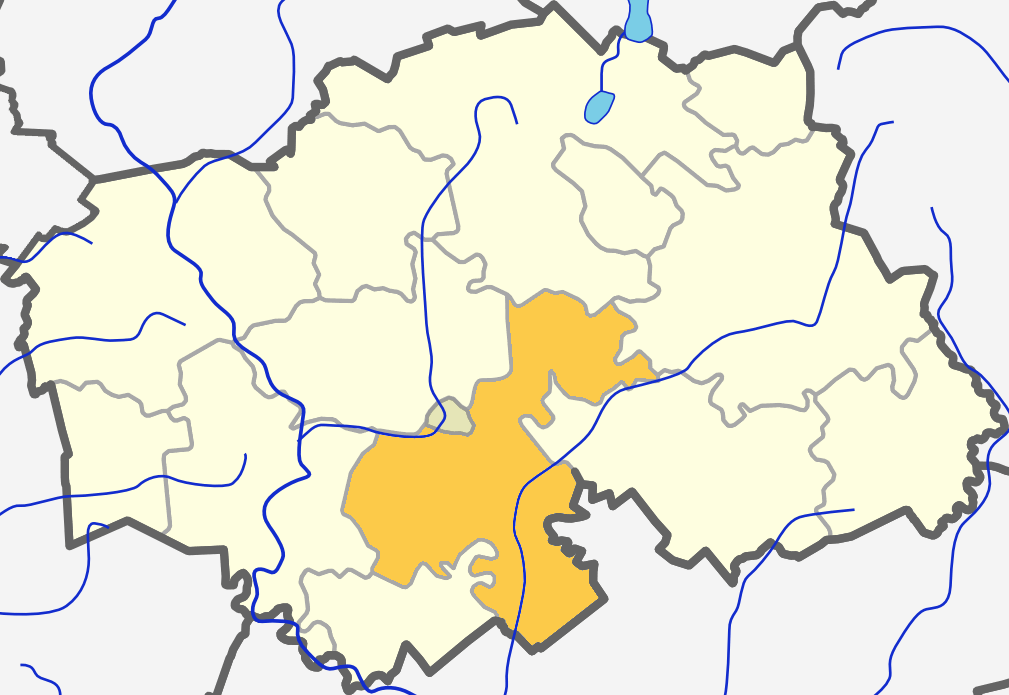
Šilalė is a town in western Lithuania serving as the administrative center of Šilalė District in Tauragė County. It lies north of Tauragė and functions as a local service, cultural and agricultural hub.

Overview
Šilalė is a small town in western Lithuania that functions as the administrative centre of the surrounding Šilalė district municipality. It provides everyday services, shopping and educational facilities for nearby villages and farms. The town is situated roughly 30 km north of Tauragė and is part of the national territory of Lithuania.
Image gallery
4 Images


History
The locality lies within the historic Samogitia (Žemaitija) cultural region and developed from rural market roots into a municipal seat over several centuries. Its evolution reflects broader regional trends: agrarian traditions, local craftsmanship and the changes brought by shifting administrative structures in the 19th and 20th centuries. Community memory is preserved in local memorials, archival collections and oral traditions.
Geography and administration
Šilalė occupies a landscape of mixed fields, meadows and small woodlands typical of western Lithuania. Administratively it belongs to Tauragė County and hosts the district municipality’s key offices. Surrounding settlements rely on the town for health care, schooling and municipal services, making it a focal point for public administration in the locality.
Economy and cultural life
The town’s economy is primarily local and regional in character: agriculture, food processing and small-scale industry support employment alongside retail and public-sector jobs. Cultural life centers on community centres, seasonal festivals and local initiatives that celebrate Samogitian customs. Museums, libraries and performance spaces contribute to civic life and to preserving regional identity.
Transport and notable features
Šilalė is connected by regional roads to nearby towns and larger urban centres; bus services and road links facilitate daily commuting and trade. Notable aspects of the town include its municipal buildings, public parks and monuments that reflect local history. As an example of a Lithuanian district centre, Šilalė illustrates the role small towns play in linking rural areas to national infrastructure and cultural networks.
Related articles
Author
AlegsaOnline.com Šilalė — Town in Tauragė County, Lithuania Leandro Alegsa
URL: https://en.alegsaonline.com/art/90372