
Siegen — city in North Rhine-Westphalia, Germany
Siegen is a mid-sized German city in North Rhine-Westphalia. Known for its hilly landscape along the river Sieg, a regional university, industrial history and cultural sites.
Overview
Siegen is a city in Germany, located within the federal state of North Rhine-Westphalia. It is a regional centre with roughly 110,000 inhabitants and a university campus that attracts students and researchers. The city is often described by its combination of urban neighbourhoods and surrounding wooded hills of the Siegerland region, and it lies on the banks of the river Sieg.
Image gallery
10 Images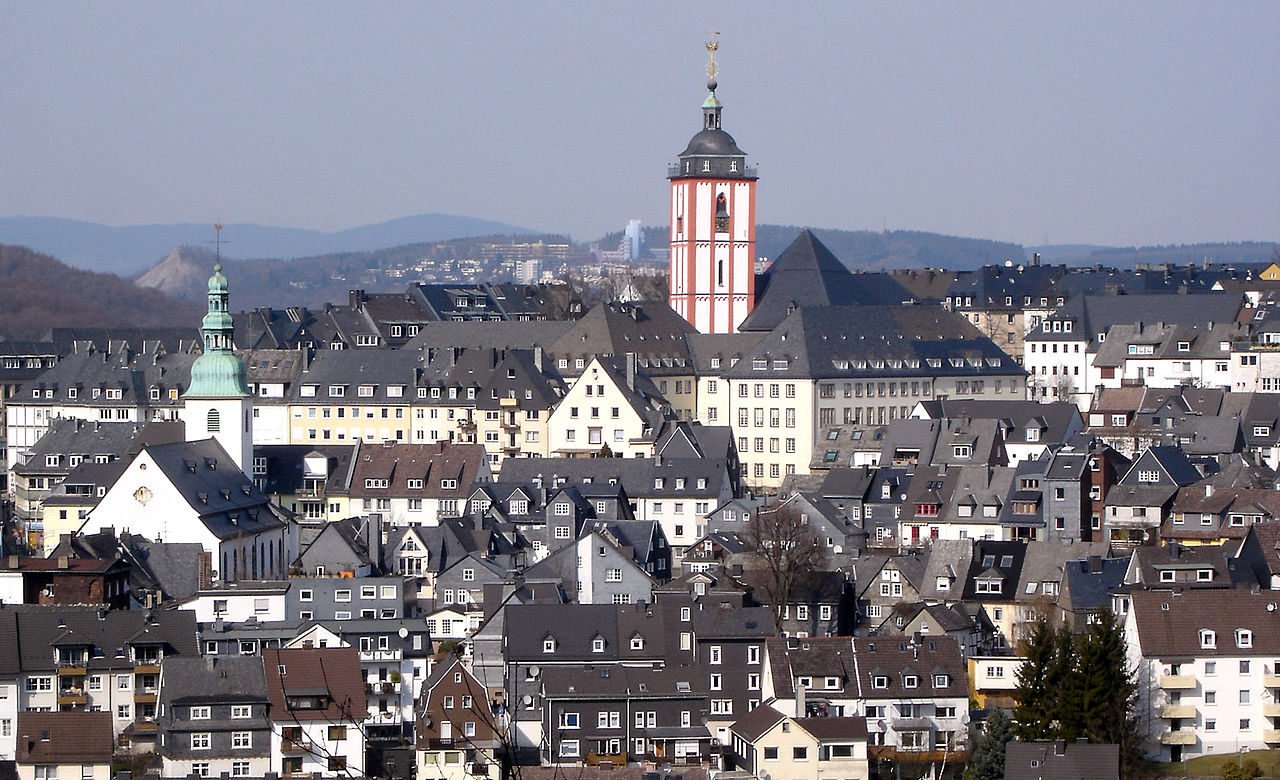


Geography and layout
Built across valleys and slopes, Siegen’s urban fabric includes an historic inner town, residential districts and industrial zones. The topography gives many vantage points and small views over rooftops and forests. Parks, walking paths and riverfront areas are part of the city’s character, making outdoor recreation accessible close to the urban core.
History and development
Siegen has medieval roots and expanded through mining and metalworking in the premodern and industrial eras. Like many German cities it experienced war-related damage in the 20th century and underwent postwar reconstruction and economic change. Over time the local economy shifted from heavy industry toward diversified manufacturing, services and education.
Economy and education
The city’s economy mixes industry, small and medium enterprises, logistics and public services. The University of Siegen is an important employer and cultural contributor; its presence supports research, vocational training and cultural activities that reach beyond the city boundaries.
Sights, culture and transport
Visitors find museums, theatres, churches and cultural events as well as hiking and cycling routes that explore the Siegerland hills. Key attractions include historic castle sites and an old town with museums and galleries. Siegen is connected by regional rail and road links to larger urban centres, providing practical commuting and travel options. For official information and tourist guidance see local resources.
Notable facts
- Regional educational hub with a university campus.
- Located on the river Sieg, giving the city its name.
- Historic ties to mining and metalworking industries.
Related articles
Author
AlegsaOnline.com Siegen — city in North Rhine-Westphalia, Germany Leandro Alegsa
URL: https://en.alegsaonline.com/art/90260