
Siem Reap province — gateway to Angkor and Tonlé Sap ecosystems
Siem Reap province in northwestern Cambodia contains the city of Siem Reap, the Angkor temple complex, parts of the Tonlé Sap Biosphere Reserve and Phnom Kulen National Park; a center of history, culture and tourism.
Overview
Siem Reap is a province in northwestern Cambodia whose capital city is also named Siem Reap. The province is internationally known for the nearby Angkor archaeological complex and for its connection to the Tonlé Sap freshwater system. The provincial area combines lowland plains, seasonal wetlands and forested uplands, and it supports a mix of agriculture, tourism and conservation activities.
Image gallery
10 Images





Geography and environment
Much of the province sits in the Tonlé Sap basin and is influenced by the lake's annual flood pulse. Siem Reap is part of the broader Tonlé Sap Biosphere Reserve, a multi-province area established to balance biodiversity conservation with human livelihoods. Wetlands, river channels and patches of deciduous forest create habitats for waterbirds, fish and other wildlife, while upland areas such as Phnom Kulen provide different geological and ecological features.
History and cultural sites
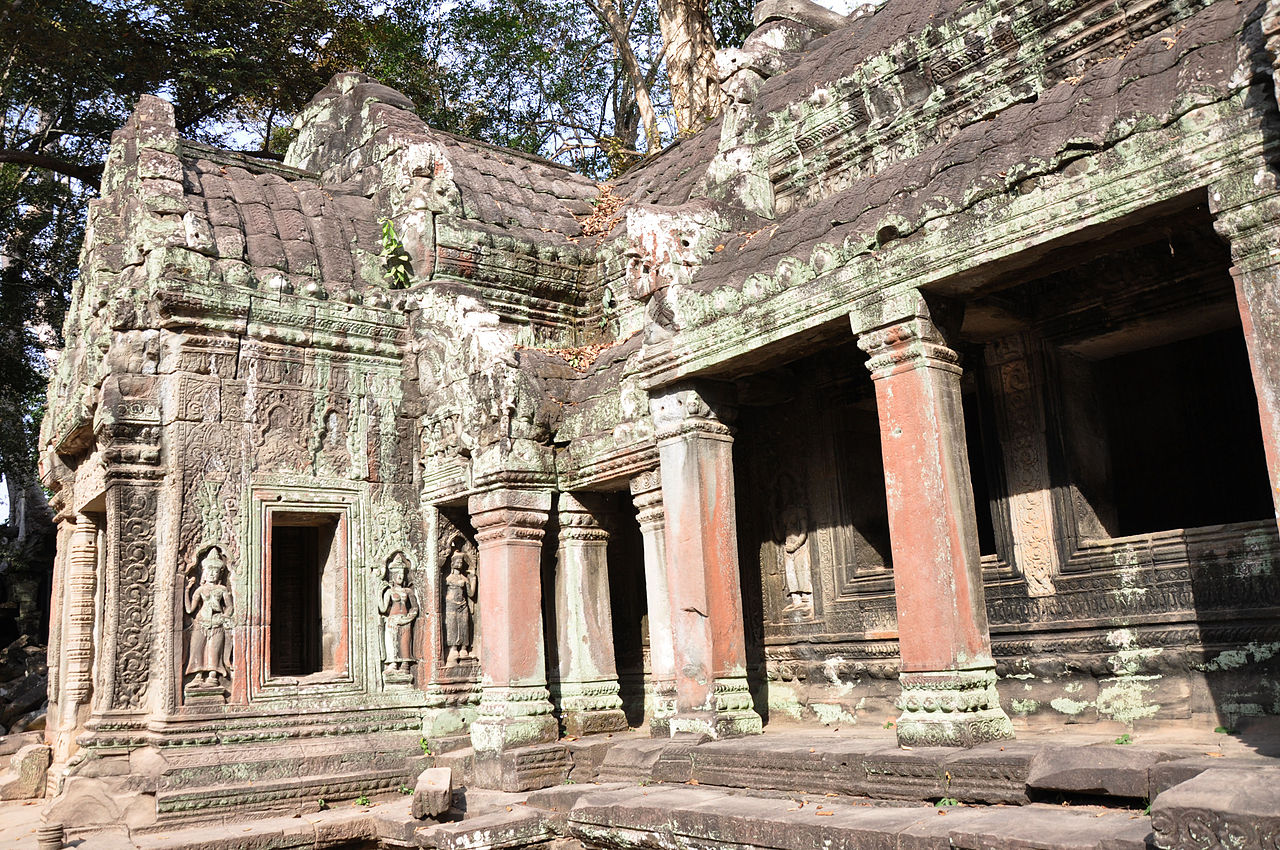
The province's global profile stems from the Angkor complex, built by successive Khmer rulers between the 9th and 15th centuries. Angkor contains numerous temples, hydraulic works and urban remains that reflect the political and religious development of the Khmer Empire. The most famous monument in the area, Angkor Wat, is widely regarded as one of the world's great religious and architectural sites. Detailed information about the province can be found on the provincial overview pages via Siem Reap provincial resources, while the Angkor monuments are presented in many conservation and tourism guides such as the entry for Angkor Wat.
Notable sites and protected areas
- Angkor archaeological park — extensive temple complexes and remains of the Khmer capital.
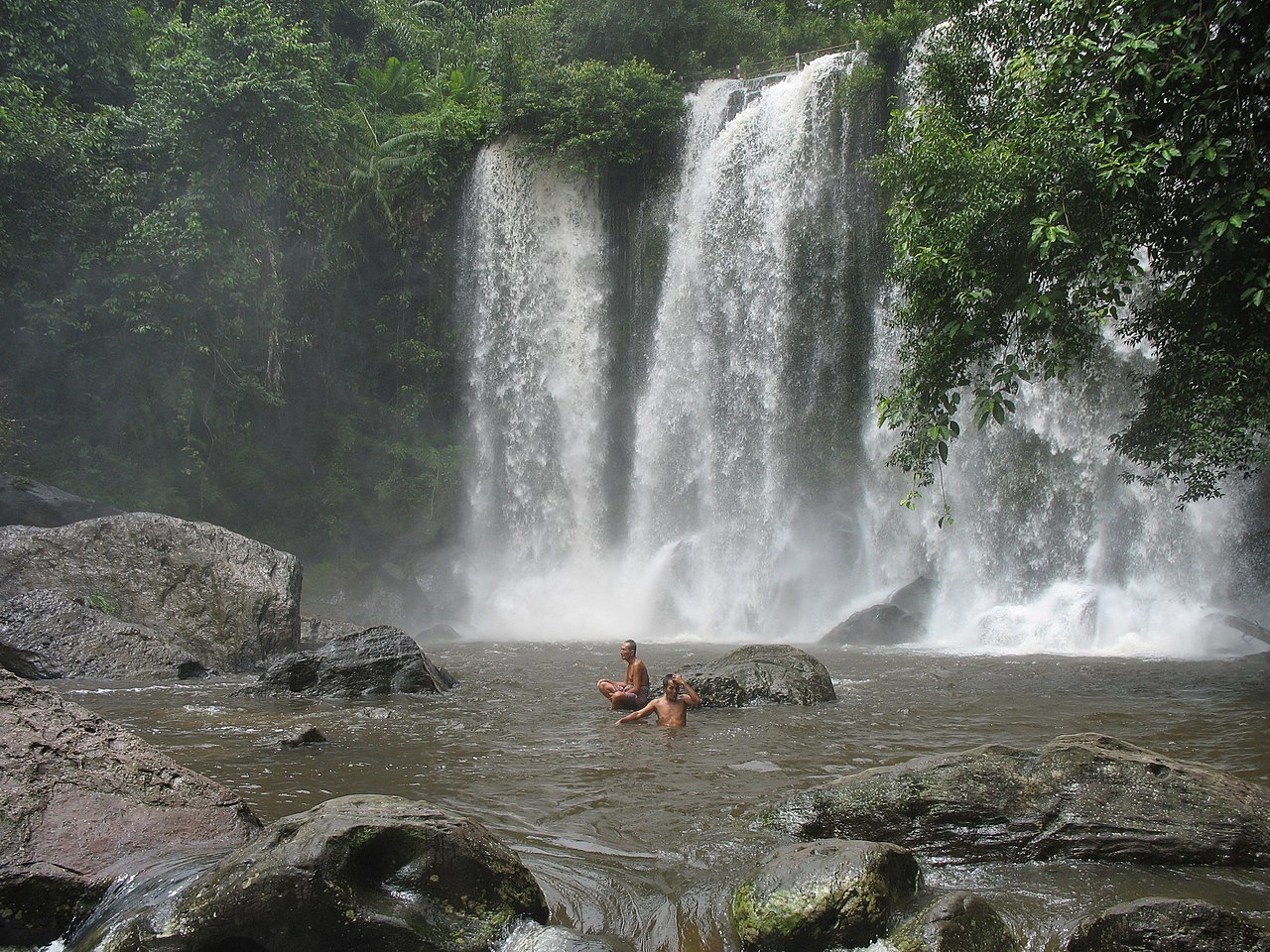
- Phnom Kulen National Park — a sacred plateau with waterfalls, archaeological sites and forested slopes.
- Tonlé Sap wetlands — seasonal floodplains and floating villages that support fisheries and biodiversity.
Economy, communities and tourism
Tourism linked to Angkor is a major economic driver in Siem Reap province, supporting hotels, guides, artisans and transport services. Outside urban areas, agriculture—especially rice cultivation—remains important. Communities around the Tonlé Sap practice fishing and seasonal farming; many livelihoods are closely tied to water levels and natural resource management. Visitors are encouraged to seek responsible tourism information and conservation guidance from heritage and environmental authorities, including listings by international organizations such as UNESCO and the World Heritage documentation at World Heritage entries.
Distinctive facts and conservation
Siem Reap is distinctive for combining a world-class archaeological landscape with living wetlands and rural communities. Conservation challenges include balancing tourism pressure, protecting archaeological fabric, conserving wildlife habitat and sustaining fisheries. Ongoing efforts by local authorities, NGOs and international partners aim to protect both cultural heritage and natural resources while supporting the province's economic needs.
Questions and answers
Q: What is Siem Reap province?
A: Siem Reap is a province in Cambodia.
Q: What is the capital of Siem Reap province?
A: The capital and largest city of Siem Reap province is Siem Reap.
Q: How many provinces are part of the Tonle Sap Biosphere Reserve?
A: There are nine provinces that are part of the Tonle Sap Biosphere Reserve, including Siem Reap.
Q: What is Angkor?
A: Angkor is a UNESCO World Heritage Site located in Siem Reap province, known for its temple ruins.
Q: What is Phnom Kulen National Park?
A: Phnom Kulen National Park is located in Siem Reap province and is a popular tourist destination.
Q: Why is Angkor considered a UNESCO World Heritage Site?
A: Angkor is considered a UNESCO World Heritage Site due to its historical and cultural significance, as it was the center of the Khmer Empire and is home to well-preserved temple ruins.
Q: What are some popular tourist destinations in Siem Reap province?
A: Some popular tourist destinations in Siem Reap province include Angkor and the Angkor Wat temple ruins, as well as Phnom Kulen National Park.
Related articles
Author
AlegsaOnline.com Siem Reap province — gateway to Angkor and Tonlé Sap ecosystems Leandro Alegsa
URL: https://en.alegsaonline.com/art/90270
Sources
- siemreap.gov.kh : "History of Siem Reap"
- drive.google.com : "General Population Census of the Kingdom of Cambodia 2019"