
Shrapnel: fragments from explosions, history, effects, and distinctions
Fragments produced by explosions or ruptured containers; their formation, historical use, differences from modern fragmentation, hazards, examples, and protective measures.
Overview
Shrapnel commonly refers to the fragments produced when an explosive charge or ruptured container breaks apart and propels pieces outward at high speed. Those pieces may be fragments of the munition or of surrounding materials such as concrete or metal. In everyday usage the term describes any fast-moving debris or projectiles that cause injury or damage in an explosion.
Image gallery
10 Images
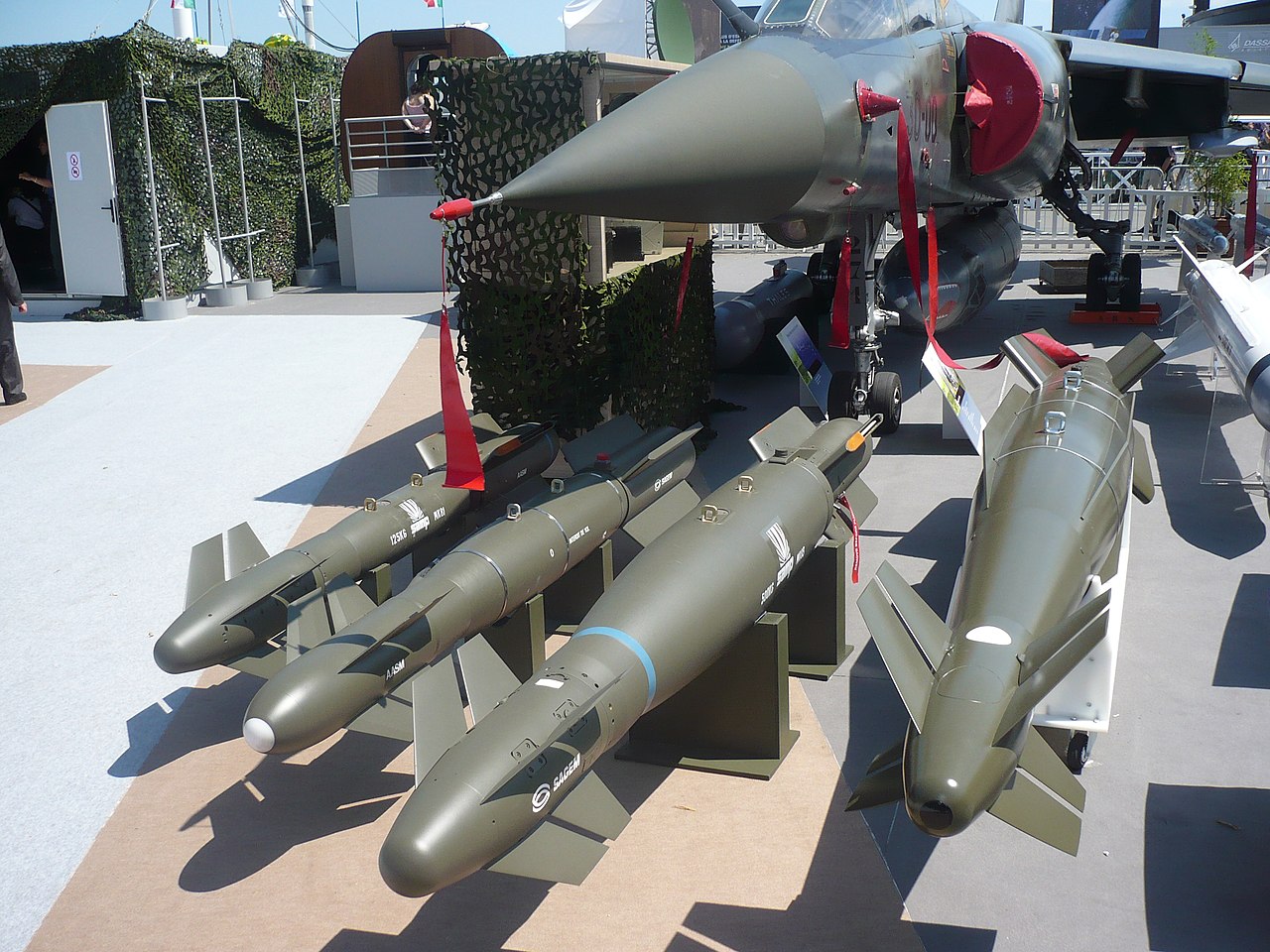


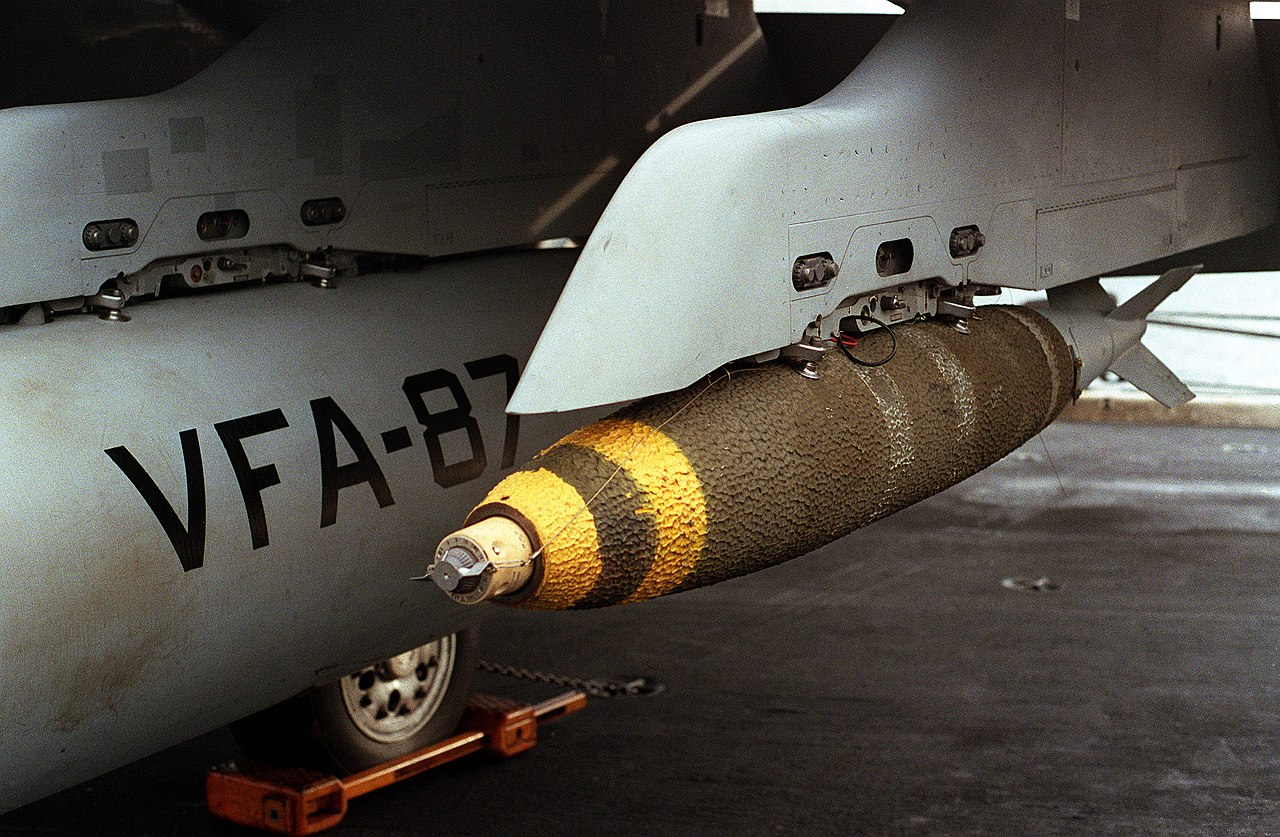


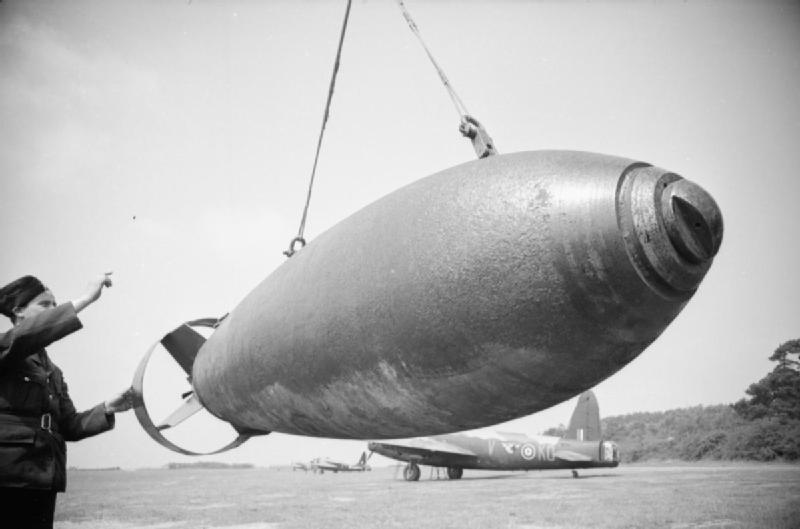
Characteristics and formation
When an explosive detonates inside a casing or near surrounding structures, the blast energy converts solid material into high-velocity particles. These fragments vary in size, shape and composition: from tiny grit to larger, jagged shards. Common characteristics include high kinetic energy, irregular trajectories, and the capacity to penetrate soft tissue, vehicles and light structures. Fragments arise from three sources: the munition casing, deliberately added projectiles, and nearby objects such as masonry or vehicle parts.
History and terminology
The word "shrapnel" derives from the name of a British artillery officer who developed an anti-personnel shell in the late 18th and early 19th centuries; his design released many small projectiles mid-flight to cover a wide area. Over time the term expanded in popular language to mean any explosive-generated fragments. Military technical language distinguishes original "shrapnel shells" from modern fragmentation munitions, which rely primarily on casing breakup rather than embedded shot.
Examples and risks
Shrapnel-type effects appear in many contexts: battlefield artillery and bombs, improvised explosive devices, and accidental detonations of industrial explosives. Devices that intentionally include small metal objects, such as nail bombs, increase the anti-personnel effect by adding numerous projectiles. The result is a pattern of injuries similar to multiple gunshot wounds: penetrating wounds, blunt trauma, and secondary injuries from being thrown by the blast.
Distinctions, protection, and mitigation
- Shrapnel vs fragmentation: "Shrapnel" originally meant shot released from a shell; "fragmentation" often denotes casing fragments created by detonation.
- Protective measures: helmets, body armor and hardened vehicle or building structures reduce risk; distance, cover and blast shielding are primary mitigations.
- Forensic and medical response: rapid triage, imaging to locate fragments, and surgical removal when necessary are common practices.
For technical descriptions and historical records consult specialized references or military ordnance guides. For public safety information on blast mitigation and first aid, see authoritative safety sources and local emergency services; further reading is available under technical and historical entries such as the original case shot design (container) and comparative notes on projectile behavior (bullet). Additional background and material studies may be found through engineering and forensic resources (concrete, metal).
Related articles
Author
AlegsaOnline.com Shrapnel: fragments from explosions, history, effects, and distinctions Leandro Alegsa
URL: https://en.alegsaonline.com/art/90051
Sources
- telegraph.co.uk : Nail bomb explodes outside primary school, The Telegraph.