
Shot (ice hockey): types, technique, and role in play
Overview of the ice hockey shot: definition, common types (wrist, slap, snap, backhand), mechanics, tactical uses, statistics and rule distinctions.
Overview
A shot in ice hockey is a deliberate attempt by a player to score by propelling the puck toward the opponent's net using a hockey stick. Shots are fundamental game events: they end sequences, test goaltenders, and generate rebounds and scoring opportunities. In statistics, shots are often separated into "shots on goal" (which would score if not stopped by the goalkeeper) and broader shot attempts that include misses and blocked attempts.
Image gallery
2 Images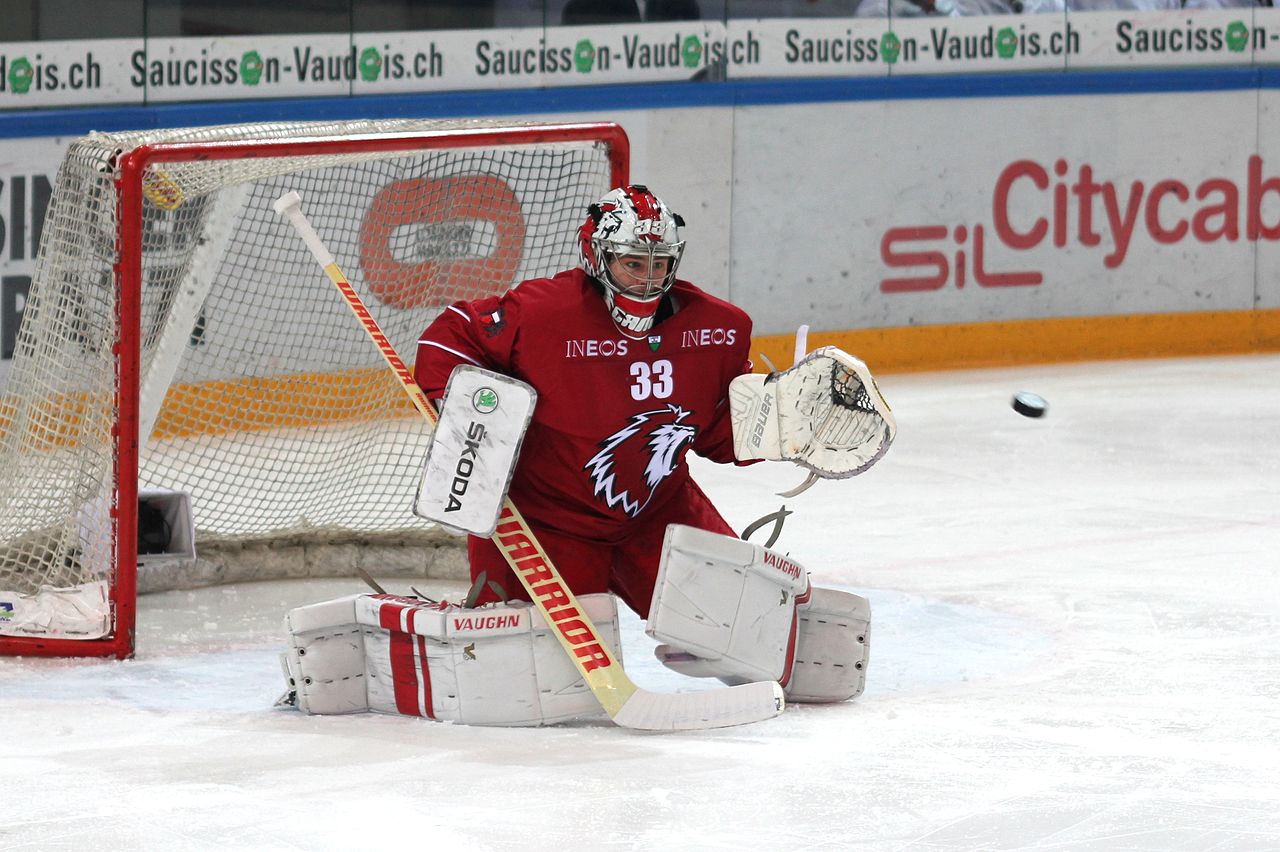

Mechanics and common types
Different shots balance speed, accuracy and deception. Common forms include:
- Wrist shot — uses a quick wrist roll for accuracy and release without a long wind-up; commonly used in close to medium range.
- Slap shot — involves a full swing and a powerful strike, often used for long-range attempts and point shots through traffic.
- Snap shot — a hybrid combining elements of wrist and slap shots for a fast release with some power.
- Backhand — struck from the reverse side of the blade; typically less powerful but effective in tight spaces or for deception.
- Tip-in and deflections — redirecting a teammate's shot or pass at the net, often close range and difficult for a goalie to react to.
Tactical uses and examples
Players select shot types depending on position, traffic, and the goaltender's stance. Defensemen at the blue line often use slap shots to create rebounds; forwards use wrist or snap shots for quick releases in the slot. Screens, rebounds, and deflections are common tactics to increase scoring chances. Coaches design plays — power-play setups, one-timers, and cross-ice passes — specifically to produce high-quality shot opportunities.
History and development
As equipment and stick technology evolved from wooden shafts to composite materials, shot speed and control increased. The introduction of curved blades and lighter sticks changed puck handling and release techniques. Over decades, coaching emphasis shifted toward quicker releases and accuracy, making wrist and snap shots more prevalent at high levels while slap shots remain a feature of specific situations.
Notable distinctions and rules
Statistical categories distinguish shots that required the goaltender to make a save from attempts that missed the net or were blocked. Penalties and stoppages can alter shot situations—e.g., play is whistled dead on a goal. In-game records and broadcast commentary often highlight shot totals as indicators of territorial advantage, though quality of chances matters more than raw counts.
Related articles
Author
AlegsaOnline.com Shot (ice hockey): types, technique, and role in play Leandro Alegsa
URL: https://en.alegsaonline.com/art/90015