
Shuttlecock (birdie) — construction, flight, and use in badminton
A shuttlecock (also called shuttle, bird, or birdie) is the projectile used in badminton. This article explains its design, flight physics, types (feather and synthetic), history, and practical considerations.
Overview
The shuttlecock, commonly called a shuttle, bird, or birdie, is the small projectile struck back and forth in the sport of badminton. Unlike balls used in many other sports, the shuttlecock is designed to fly with a conical shape and strong aerodynamic drag so that it slows rapidly and turns nose-first. Players hit it with a badminton racket over a net during rallies of varying speed and trajectory.
Image gallery
4 Images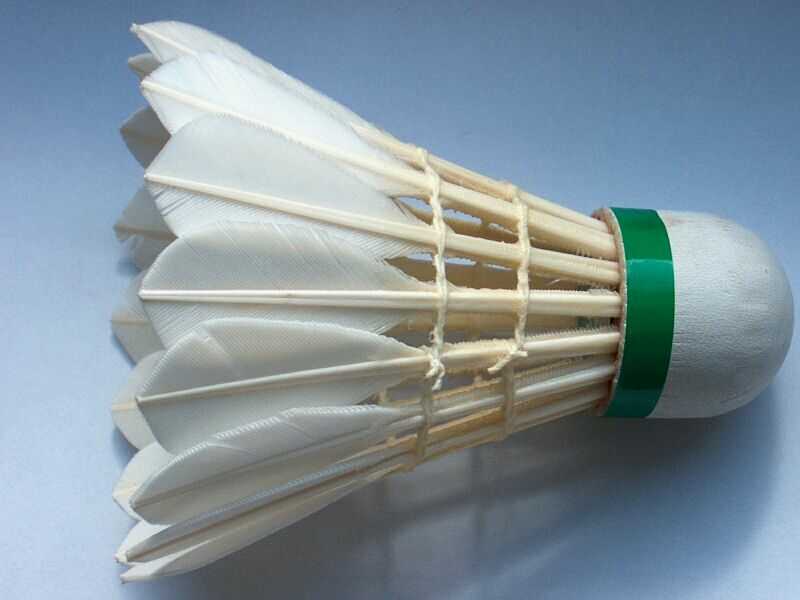
Design and parts
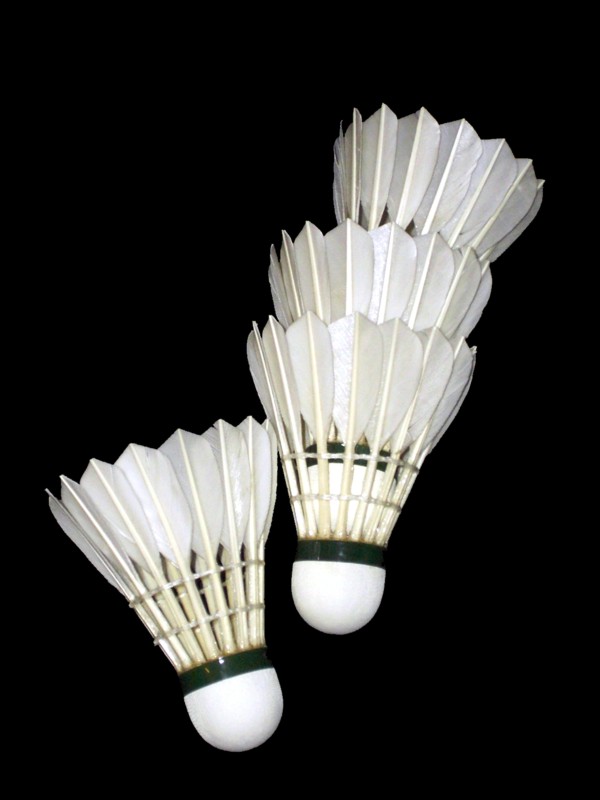
Typical shuttlecocks consist of two main parts: a rounded base and a skirt. The base (also called the cork) is struck by the racket and is usually made from natural cork or a synthetic substitute. The skirt gives the shuttlecock its characteristic aerodynamic properties and can be made from natural feathers or from molded synthetic materials.
Types and characteristics
- Feather shuttles: Made with multiple natural feathers mounted into a cork base. They produce predictable flight, sharp drop-offs, and preferred play characteristics at high levels but are more fragile and weather-sensitive.
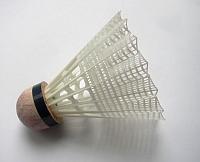
- Synthetic (nylon) shuttles: Molded skirts bonded to a rubber or composite base. They are more durable, less affected by humidity, and cheaper, making them common for recreational play and training.
- Performance differences: Feather shuttles typically decelerate faster and feel different on impact. Synthetic shuttles can be engineered for consistent speed and durability.
Flight behavior and performance
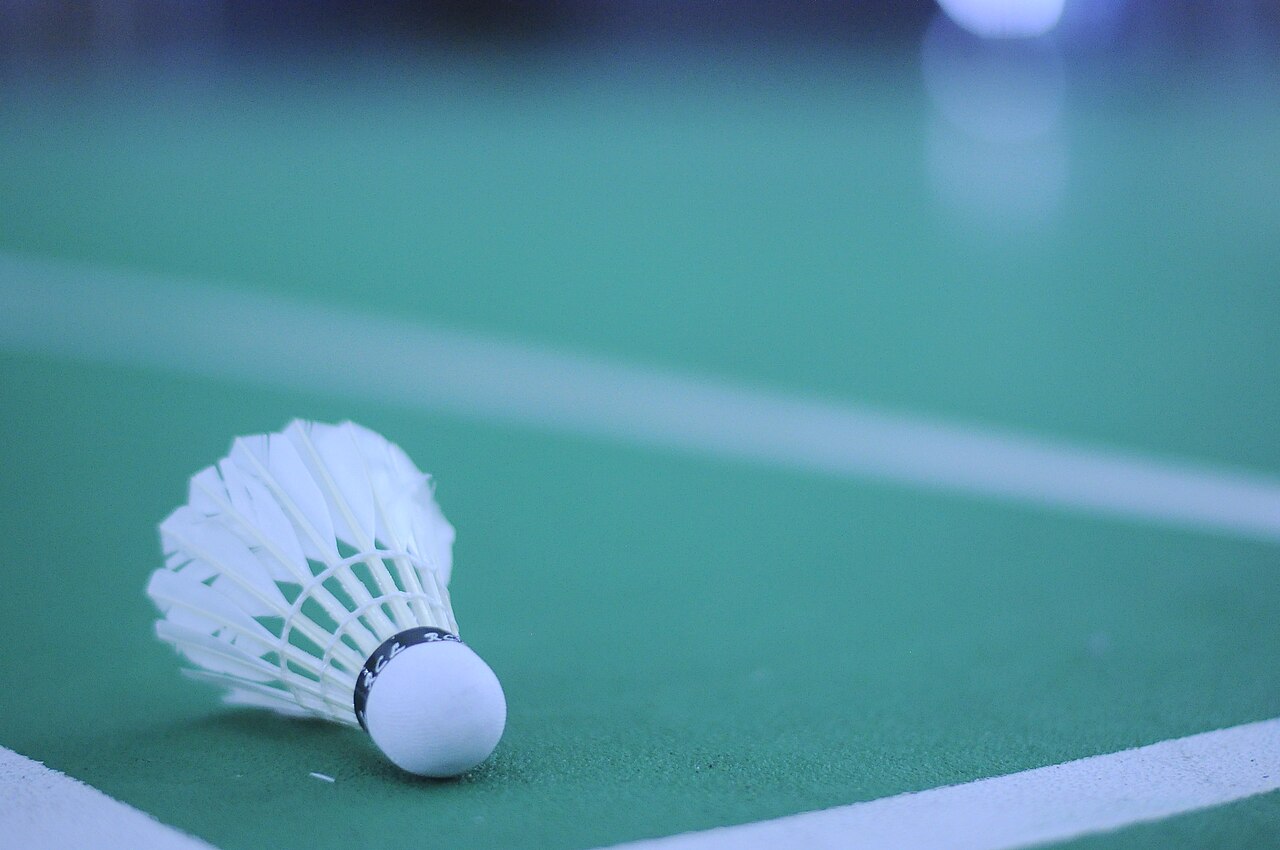
A shuttlecock’s conical skirt creates high drag so it rapidly loses speed after being struck, causing steep fall trajectories. The mass is concentrated in the base, so the shuttlecock stabilizes to fly cork-first. This aerodynamic design produces rallies with distinctive lobs, smashes, and drops that define badminton tactics.
History and cultural notes
Objects resembling shuttlecocks have been used in various cultures for centuries in games that predate competitive badminton. The organized sport evolved in the 19th century and adopted standardized shuttlecock designs for formal competition. Today international play specifies approved shuttlecock types and testing procedures to ensure uniform performance.
Care, selection, and uses
Players select shuttles based on level of play, court conditions, and budget. Feather shuttles are common in tournaments, while synthetic models suit clubs, schools, and casual play. Proper storage—avoiding extreme dryness and heat—extends feather shuttle life; some players gently humidify feathers to reduce brittleness. Beyond competitive matches, shuttlecocks are used in coaching, endurance tests, and recreational games derived from traditional battledore and shuttlecock activities.
Questions and answers
Q: What is a shuttlecock?
A: A shuttlecock is a rounded projectile used in the sport of badminton.
Q: What is the shuttlecock hit with in badminton?
A: The shuttlecock is hit with a badminton racquet over the net.
Q: What is the alternate name for shuttlecock?
A: The alternate names for shuttlecock are bird or birdie.
Q: Why is shuttlecock sometimes called a bird?
A: Shuttlecock is sometimes called a bird because it can be made with feathers.
Q: What is the shape of a shuttlecock?
A: A shuttlecock is rounded in shape.
Q: What is the speed of badminton?
A: Badminton is a fast sport.
Q: How is the shuttlecock used in badminton?
A: The shuttlecock center is hit with a badminton racquet over the net in badminton.
Related articles
Author
AlegsaOnline.com Shuttlecock (birdie) — construction, flight, and use in badminton Leandro Alegsa
URL: https://en.alegsaonline.com/art/90127