
Shock (circulatory): causes, types, signs and emergency treatment
Circulatory shock is a life‑threatening failure of blood flow and tissue perfusion. This article explains causes, major types, clinical features, basic first aid and principles of hospital management.
Circulatory shock is a clinical state in which the circulation cannot deliver enough blood and oxygen to meet the metabolic needs of tissues. When perfusion falls, organs — particularly the brain and heart — begin to suffer from inadequate oxygenation and nutrient delivery. Prompt recognition and treatment are essential because the condition can worsen rapidly.
The underlying problem in shock is a mismatch between supply and demand at the cellular level. This process is often progressive: initial compensations such as faster heart rate and narrower blood vessels may temporarily preserve circulation, but if the cause is not corrected, cellular injury, organ dysfunction and collapse follow. Left untreated, shock can be deadly, which is why timely intervention is emphasized in emergency care.
Image gallery
3 Images

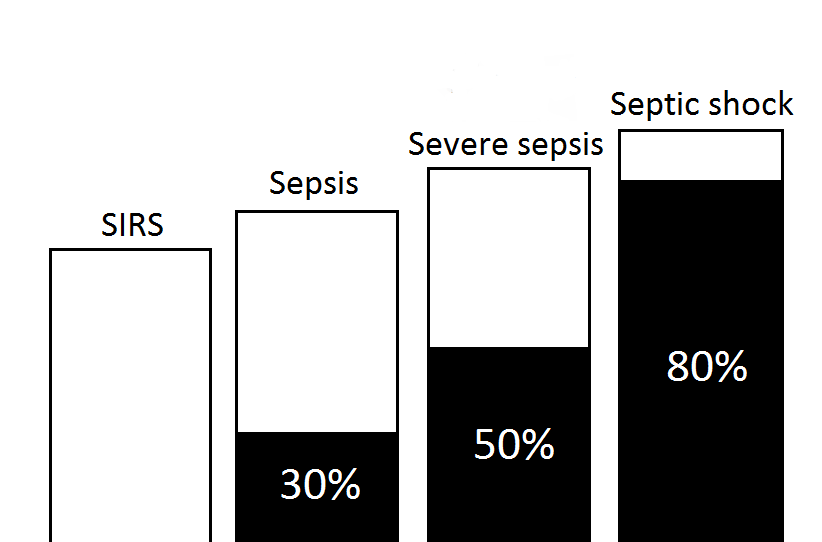
Major types of circulatory shock
- Hypovolemic: caused by loss of circulating volume (bleeding, dehydration) leading to reduced venous return and cardiac output.
- Cardiogenic: due to failure of the heart to pump effectively (large myocardial infarction, severe cardiomyopathy).
- Distributive: abnormal vasodilation or leaking of blood out of the vascular compartment. Common subtypes include septic, anaphylactic and neurogenic shock.
- Obstructive: mechanical impediments to blood flow such as pulmonary embolism, cardiac tamponade, or tension pneumothorax.
Symptoms and signs vary with cause and stage. Early features may include anxiety, pale or warm skin, rapid pulse, and rapid breathing. As perfusion worsens, blood pressure often falls, mental status changes appear, urine output drops and skin becomes cool and clammy in many types. Some forms, such as early septic shock, can present with warm, flushed skin despite poor perfusion.
Management and basic first aid
- Immediate priorities are airway, breathing and circulation and calling for urgent medical help.
- Basic first measures include placing the person supine and, if there is no suspected spinal injury and it is appropriate, elevating the legs to improve venous return; contemporary guidance cautions against routine use of the historical Trendelenburg position and recommends treating the cause while maintaining a neutral spine when needed. For general reference on immediate care see first aid.
- In hospital, treatment is directed at the cause: controlled fluid resuscitation for hypovolemia, inotropes or mechanical support for cardiogenic shock, antibiotics and source control for septic shock, epinephrine for anaphylaxis, and interventions to relieve mechanical obstruction.
Prognosis depends on cause, severity and speed of treatment. Early recognition, correcting reversible factors and organ support can substantially improve outcome. Because the term "shock" covers several distinct pathophysiological processes, clinicians evaluate blood pressure, heart rate, skin signs, urine output and laboratory markers to guide targeted therapy and monitor response.
Related articles
Author
AlegsaOnline.com Shock (circulatory): causes, types, signs and emergency treatment Leandro Alegsa
URL: https://en.alegsaonline.com/art/89930