
Signs and symptoms (medical)
Overview of medical signs and symptoms: definitions, differences, examples, historical context, role in diagnosis, and limitations in clinical practice.
Signs and symptoms are the observable indications and the experienced complaints that together describe how a disease or injury affects a person. In clinical practice the phrase groups two related but distinct concepts: signs, which clinicians can observe or measure, and symptoms, which patients report. Together they form the starting point for diagnosis, monitoring and treatment.
Image gallery
4 Images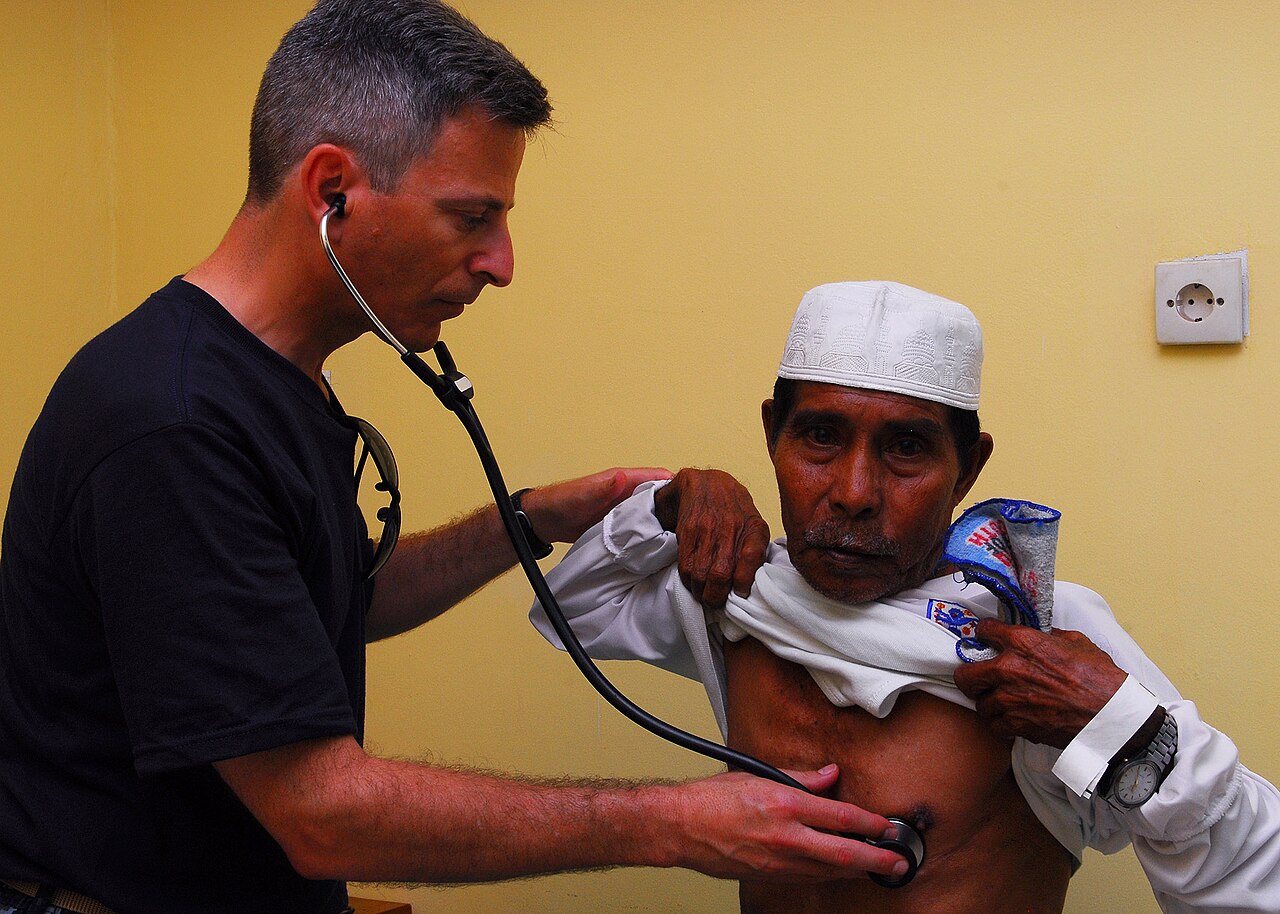



Definitions and distinctions
Symptoms are subjective experiences such as pain, fatigue, nausea, dizziness and shortness of breath. They cannot be directly measured by someone else and depend on a person’s account. Signs are objective findings discovered during examination or testing: fever, rash, high blood pressure, abnormal heart sounds, laboratory abnormalities or imaging changes. Vital signs — temperature, pulse, respiration and blood pressure — are routine objective measures used to assess immediate physiological status.
Common examples
- Symptoms: chest pain, headache, weakness, lightheadedness, altered sensation.
- Signs: sweating, rapid heart rate, low oxygen saturation, swollen joint, abnormal neurologic reflexes.
- Vital signs: temperature, heart rate, respiratory rate, blood pressure, sometimes oxygen saturation.
History and clinical use
Historically, physicians relied heavily on visible signs and patients’ accounts to recognize disease. As tools such as the stethoscope and laboratory testing developed, objective measurement became more central. Today, clinicians combine the history of reported symptoms with physical signs and diagnostic tests to form a differential diagnosis, decide urgency, select treatments and monitor progress.
Limitations and important considerations
Symptoms are influenced by communication, culture, pain tolerance, and mental state, so different people with the same disease may describe it differently. Some conditions are asymptomatic and discovered only by signs or tests (for example, early hypertension). Observed signs can be subtle or non‑specific and require careful interpretation in context. Clinical reasoning therefore integrates both kinds of information rather than relying on either alone.
Notable facts
Specific physical findings are sometimes named after clinicians (so‑called eponymous signs) and are used as diagnostic clues. The phrase "signs and symptoms" is commonly used in medical records, research papers and patient information to summarize how a condition presents. Recognizing patterns of signs and symptoms helps identify syndromes and guide appropriate investigation and care.
Related articles
Author
AlegsaOnline.com Signs and symptoms (medical) Leandro Alegsa
URL: https://en.alegsaonline.com/art/90338
Sources
- merriam-webster.com : "Sign"
- mayoclinic.org : "Hyperglycemia: Symptoms"
- merriam-webster.com : "Symptom"
- nidcd.nih.gov : "Tinnitus"
- cdc.gov : "Seasonal Influenza: Flu Basics"
- mayoclinic.org : "Asthma Attack: Symptoms"