
Shimbashi Station (Tokyo)
Major railway and subway interchange in Tokyo serving JR East, Tokyo Metro, Toei and the Yurikamome. Historic site of Japan’s first railway terminus and a gateway to Ginza and Shiodome.
Shimbashi Station is a major rail and transit interchange in central Tokyo. It links regional JR East services with subway lines and the elevated automated Yurikamome line, forming a busy node for commuters, shoppers and visitors to nearby business and entertainment districts. The station complex sits near central Tokyo landmarks and serves as both a practical transport hub and a place of historical note.
Image gallery
10 Images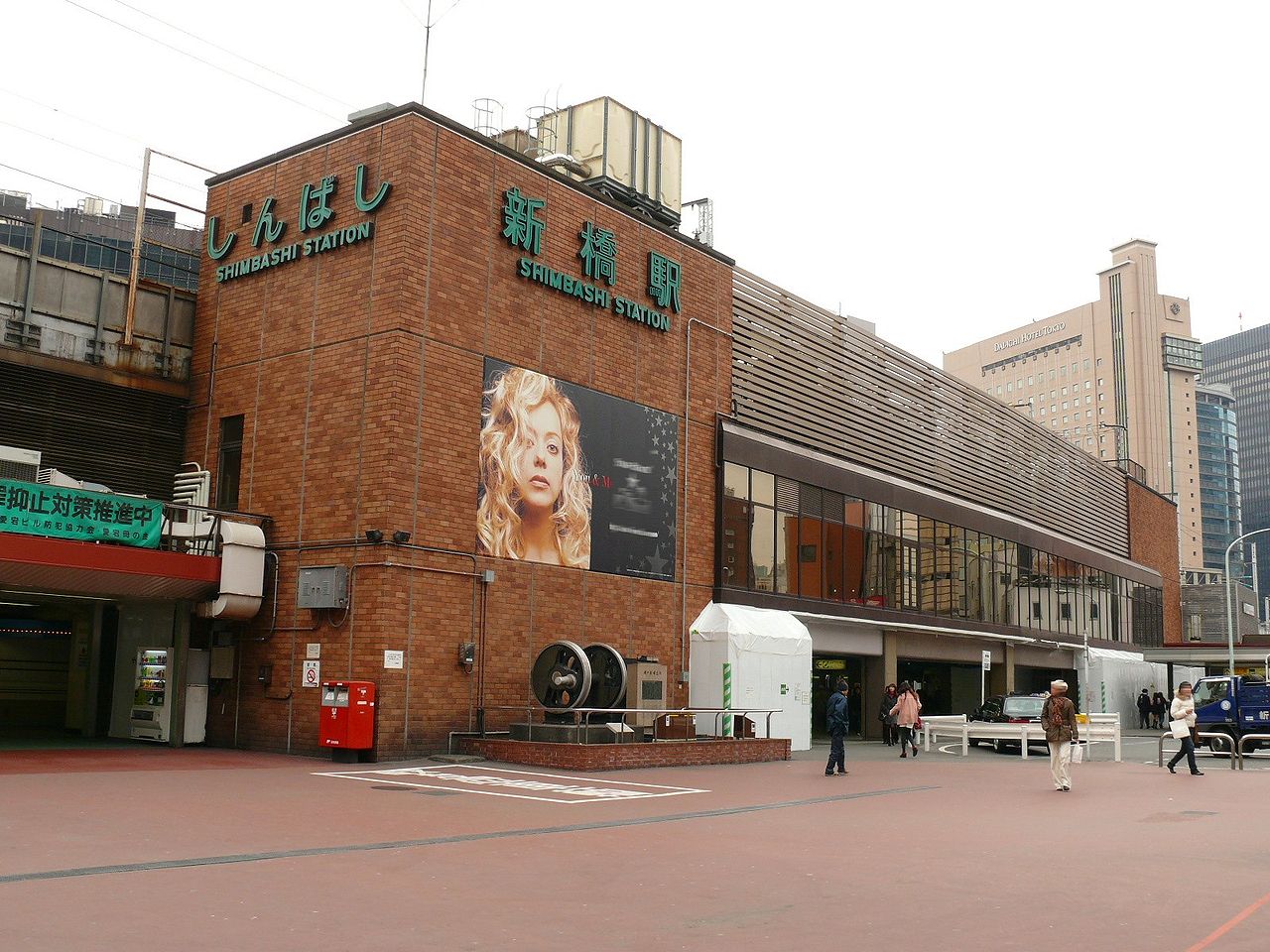




Lines and layout
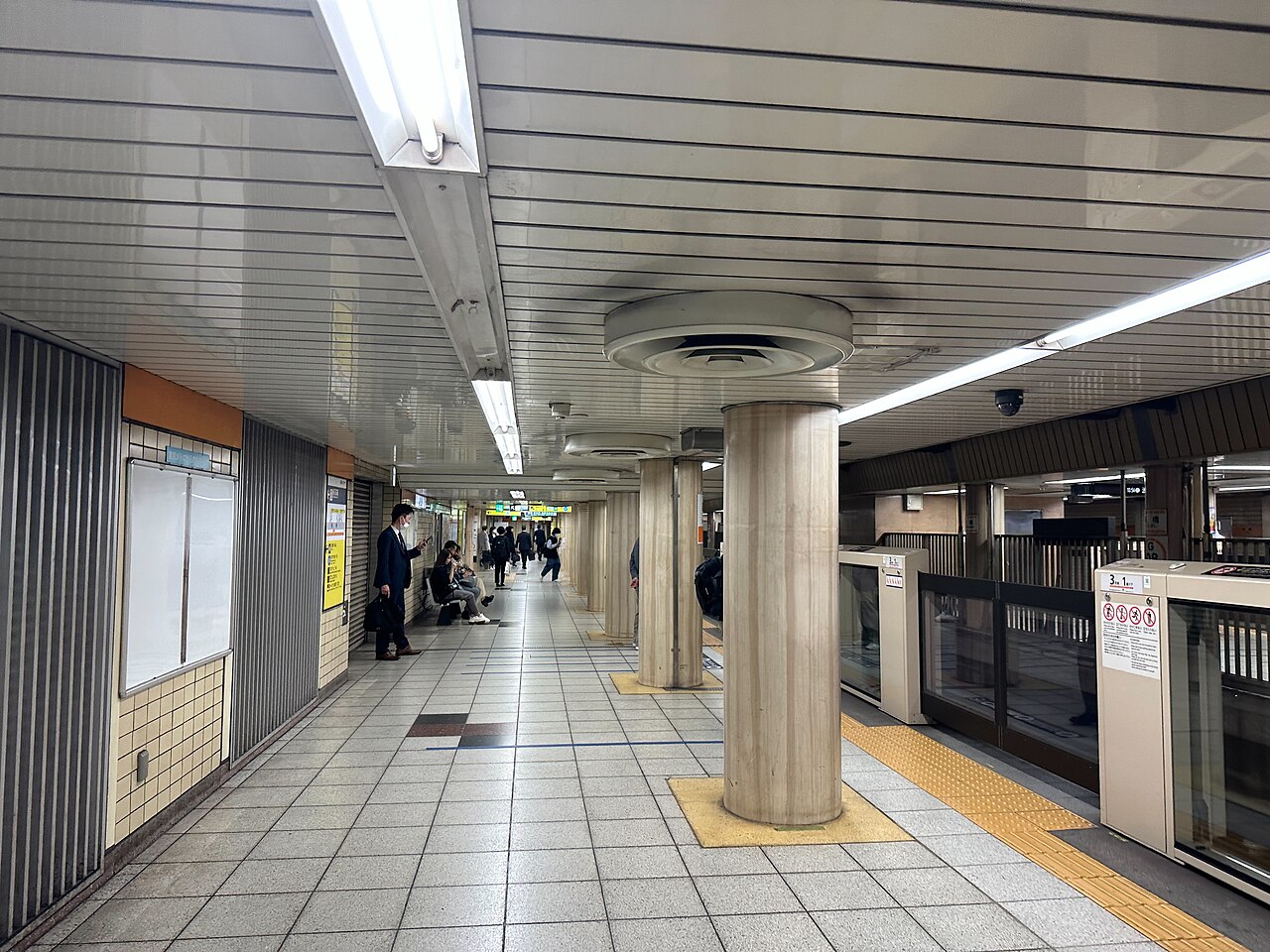
The complex serves multiple operators and levels: JR East trunk lines and local services, the Tokyo Metro Ginza Line, the Toei Asakusa Line, and the Yurikamome automated guideway transit. Platforms are arranged across elevated, at-grade and underground sections, with concourses that connect ticket gates, commercial areas and exits toward Ginza, Shiodome and the waterfront. Passenger flows are concentrated at morning and evening peaks, reflecting its role as a commuter interchange.
History and notable facts
Shimbashi has a prominent place in Japan’s railway history. The original Shimbashi Station opened in the early Meiji period as the Tokyo terminus of the country’s first railway; that legacy is commemorated near the modern station by a steam locomotive monument and a meeting plaza often called the SL Plaza. The station has been rebuilt and reconfigured over time as Tokyo’s rail network expanded and the surrounding district redeveloped.
Surroundings and importance
Exits from the station provide direct access to commercial streets, izakaya districts frequented after work, the upscale Ginza shopping area and the redeveloped Shiodome towers. It is a gateway for visitors heading to nearby parks, hotels and corporate offices. The station’s location is often cited with geographic coordinates; see 35°39′59″N 139°45′31″E for reference.
Practical notes and distinctions
- The name is sometimes romanized as "Shinbashi" in older texts; modern signage uses "Shimbashi."
- Despite multiple operators, wayfinding inside the complex aims to guide transfers efficiently between aboveground and underground platforms.
- The adjacent Yurikamome terminal provides a direct link to waterfront developments and Odaiba.
Shimbashi remains both a daily transport hub for Tokyo workers and a point of interest for those tracing the beginnings of rail travel in Japan. Its mix of history, dense transit connections and proximity to commercial districts make it one of the city’s most frequently used and recognizable stations.
Related articles
Author
AlegsaOnline.com Shimbashi Station (Tokyo) Leandro Alegsa
URL: https://en.alegsaonline.com/art/89787