
Shiga Prefecture: Lake Biwa, history, culture and economy
Shiga Prefecture surrounds Lake Biwa northeast of Kyoto. It combines important natural habitats, historic temples and castles, traditional commerce, modern industry and strong transport links in the Kansai region.
Shiga Prefecture lies in the heart of the Kansai region and occupies a central place on Honshu island. Its capital is Ōtsu, a city on the southern shore of Japan's largest freshwater lake. The prefecture's position near Kyoto and within easy reach of Osaka and Nagoya has shaped its role as both a historical crossroads and a modern transport hub.

Image gallery
10 Images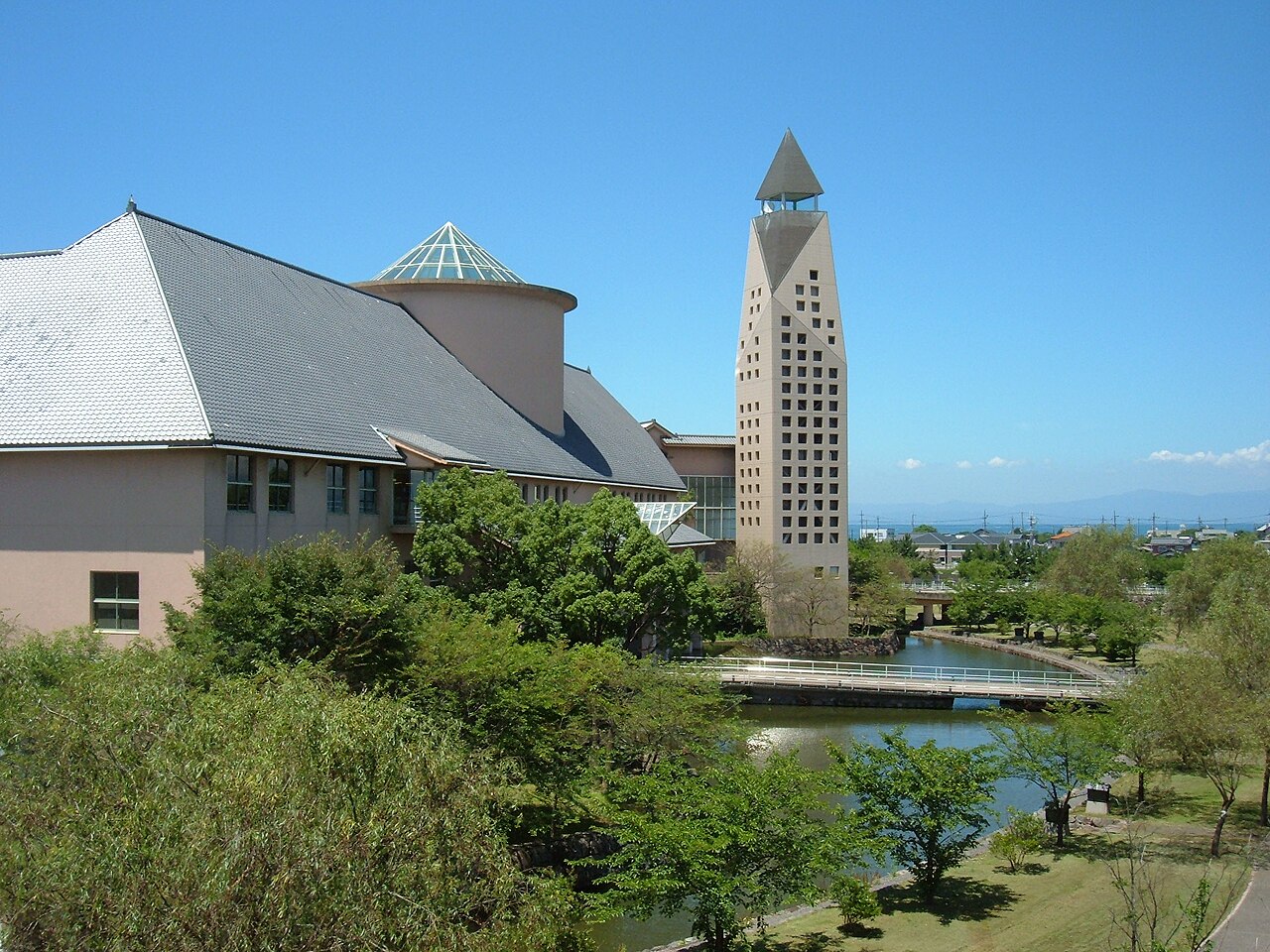


Geography and natural features
Shiga is best known for Lake Biwa, an ancient, large freshwater lake that dominates the prefecture's landscape and supports fisheries, agriculture and biodiversity. Much of the shoreline remains rural, with wetlands and rivers that provide habitat for migratory birds and endemic species. The surrounding land includes low mountains and fertile plains used for rice cultivation and other crops.
History and cultural legacy
Historically the area was known as Ōmi Province and served as an important corridor between eastern and western Japan. Medieval and early-modern sites remain prominent: monasteries on Mount Hiei played religious and political roles, and well-preserved castles and merchant houses reflect the region’s commercial past. Many local traditions, crafts and festivals trace roots to these earlier eras.
Economy and society
Shiga's economy combines agriculture—especially rice and horticulture—with diversified manufacturing such as textiles, machinery and chemicals. A distinctive feature of its past economy is the Omi merchants (Ōmi shōnin), who established long-distance trade networks and a reputation for entrepreneurship that influenced business practices in Japan.
Tourism and notable sites
The prefecture attracts visitors for scenic drives, boating and cultural tourism. Highlights include:
- Historic castles and castle towns offering restored architecture and museums.
- Ancient temples and religious sites on mountains overlooking the lake.
- Lake Biwa shorelines, parks and nature reserves for birdwatching and recreation.

Transportation and administration
Shiga is governed from Ōtsu and divided into municipalities that include several mid-sized cities. Rail and road corridors cross the prefecture, with major lines connecting to nearby urban centers and high-speed rail access available at key stations. Its proximity to cultural capitals and role as a transport link continue to shape Shiga’s economic and social connections within Kansai and Japan.
Related articles
Author
AlegsaOnline.com Shiga Prefecture: Lake Biwa, history, culture and economy Leandro Alegsa
URL: https://en.alegsaonline.com/art/89745