
Sheridan County, North Dakota
Sheridan County is a small, rural county in north-central North Dakota. Its county seat is McClusky and it had 1,321 residents at the 2010 U.S. census. The county is noted for agriculture and low population density.
Sheridan County is a sparsely populated county in the north-central United States, located within the U.S. state framework of North Dakota. According to the 2010 census, the county had 1,321 residents. The small town of McClusky serves as the county seat and center for local government and community services. Sheridan County is characterized by wide agricultural landscapes, low settlement density and a handful of small communities and townships.
Image gallery
2 Images
Overview and character
The county's economy is dominated by farming and ranching, with fields of grain and pastureland covering much of the territory. Local life is shaped by rural institutions—county government, schools serving a broad area, and seasonal outdoor pursuits such as hunting and fishing. Transportation links are modest and most travel is by road; small towns provide basic retail and civic services rather than large-scale commercial centers.
History and development
Sheridan County has nineteenth-century origins and developed as settlers arrived to farm the prairie. Its name commemorates national history and local settlement patterns typical of the regional expansion era. Over time, population trends have tended to decline or remain low as agricultural mechanization reduced the need for farm labor and younger residents often relocate to regional cities for education and employment.
Government, communities and services
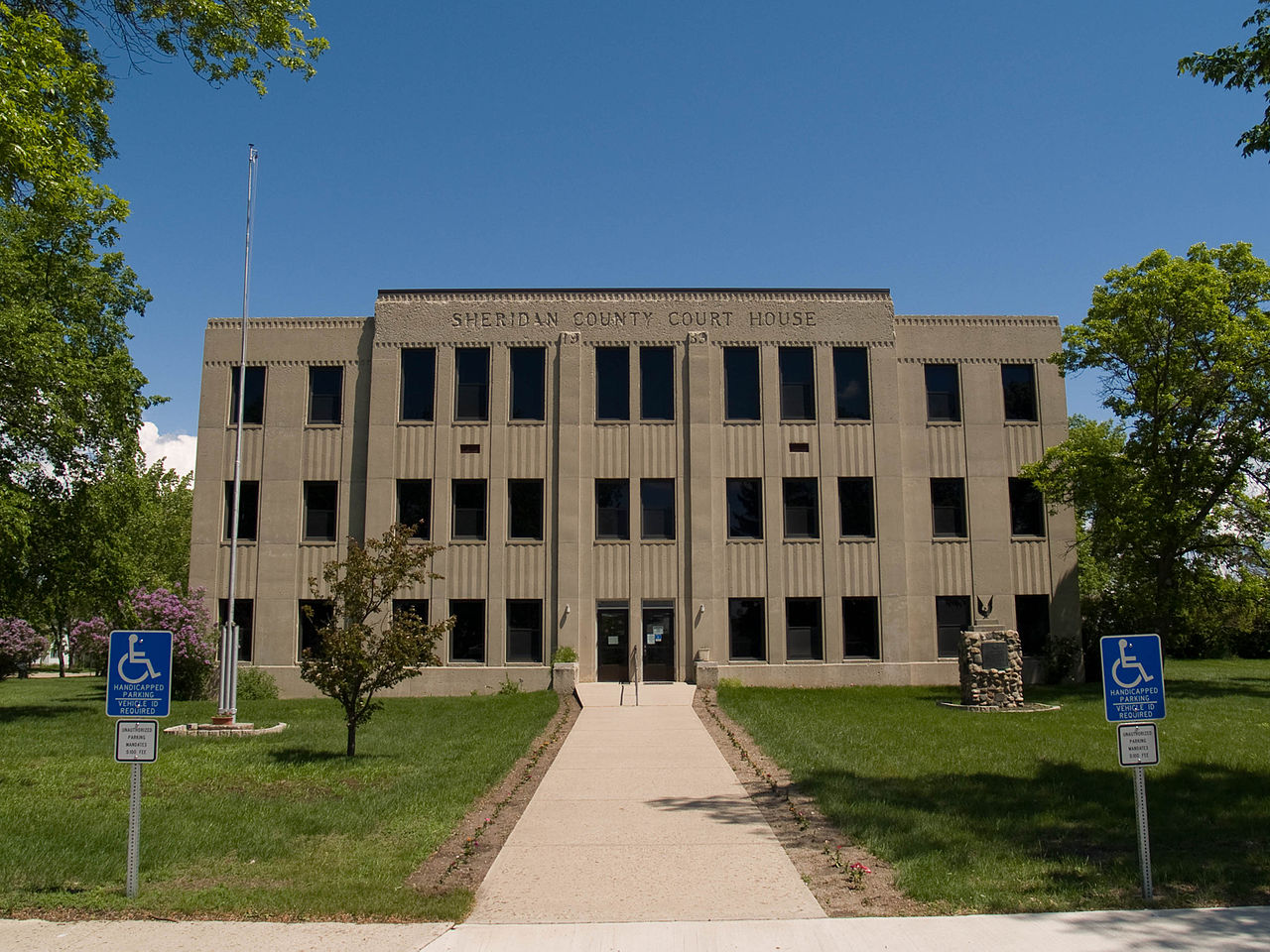
The county seat at McClusky houses administrative offices, the courthouse and local records. Public services are concentrated in a few small towns and include schools, volunteer emergency services and county-level agencies. Political organization follows the standard county model used across the state, with elected commissioners, treasurer and other officials administering budgets, roads and land-use matters.
Notable facts and context
- Population: Among the less populous counties in its state, reflecting rural settlement and economic patterns.
- Land use: Predominantly agricultural with areas of native grassland and water features used for recreation and wildlife.
- Community life: Local events, volunteerism and small-town institutions help maintain civic ties despite low density.
Sheridan County illustrates the characteristics of many rural counties on the Great Plains: a landscape organized around agriculture, a small and aging population, and local institutions that provide essential government and community functions. For official resources, historical summaries and current county information see county and state links above.
Related articles
Author
AlegsaOnline.com Sheridan County, North Dakota Leandro Alegsa
URL: https://en.alegsaonline.com/art/89685