
Shelby County, Ohio
Shelby County, in western Ohio with county seat Sidney, is a largely rural county with agricultural roots, light manufacturing, local services and community institutions. Population was 49,423 at the 2010 census.

Overview
Shelby County is located in western Ohio. The county seat and principal city is Sidney, which serves as the center for county government, courts and many public services. As recorded in the 2010 U.S. census, the county population was 49,423; more recent estimates and demographic profiles are available from federal and state sources.
Image gallery
3 Images
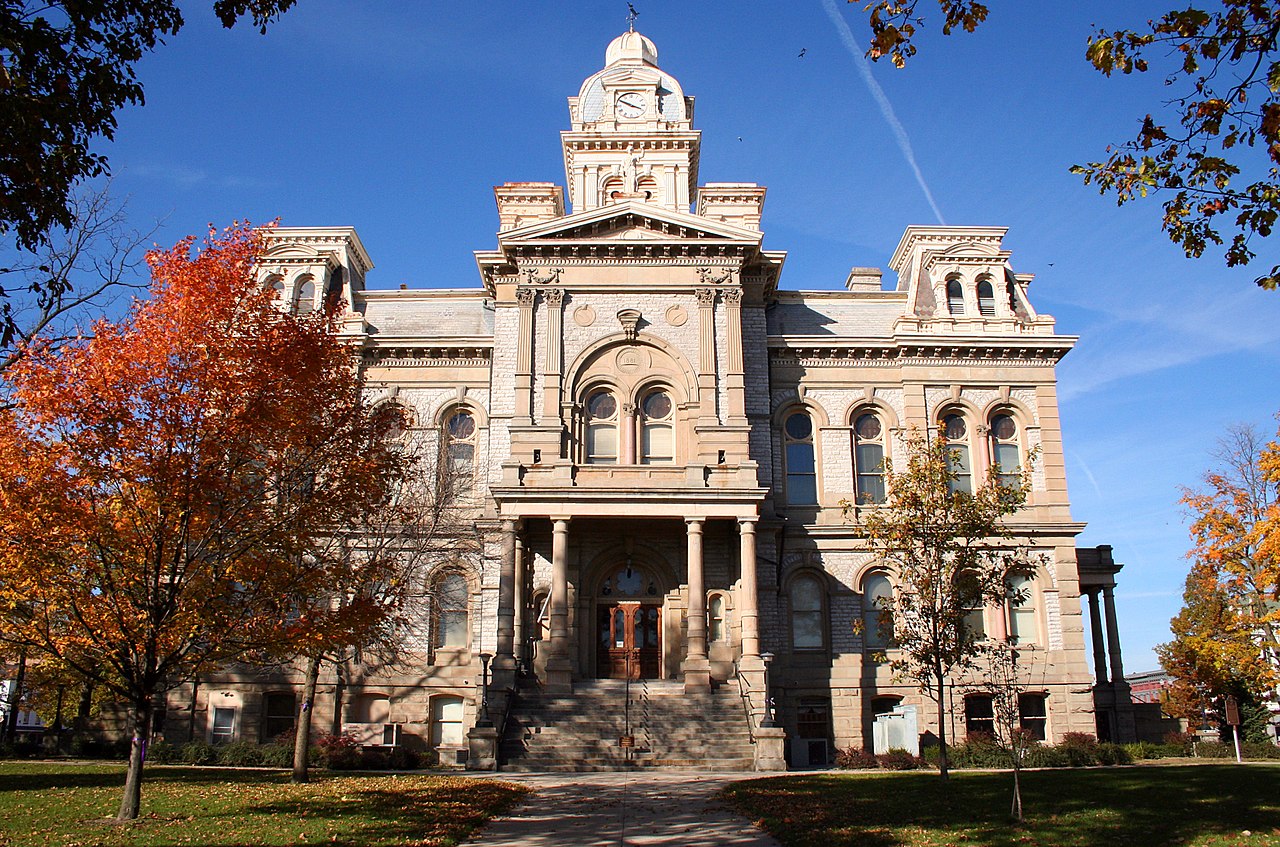

Geography and land use
The county's landscape is typical of the north-central Midwest: a mix of agricultural fields, small woodlands and gently rolling terrain. Farming—principally corn, soybeans and livestock production—remains an important part of the local economy. Transportation corridors, including Interstate 75 near Sidney and several state routes and rail links, provide connections to larger regional markets and support local industry and commerce.
History and name
Shelby County was organized in the early 19th century during the period of westward settlement in Ohio. It was named for Isaac Shelby, a Revolutionary War officer and the first governor of Kentucky. Early settlement and development were driven by agriculture and the emergence of small manufacturing centers that served surrounding farms and growing towns.
Communities, government and services
The county includes the city of Sidney and a number of smaller towns, villages and townships. Local government provides services such as road maintenance, public safety, courts and social services; education is delivered through a mix of public school districts and community institutions. For official contacts, planning documents and public records see county and state resources at county and state websites.
Economy, culture and recreation
Economic activity blends agriculture with light manufacturing, retail trade, health care and professional services. Community life is supported by local libraries, parks, historical organizations and seasonal events that celebrate the county's agricultural heritage. Outdoor recreation, small museums and local festivals contribute to civic identity and tourism.
Further information
- Sidney serves as the commercial, institutional and transportation hub for the county.
- Rural land use and family farms remain significant to the local economy and landscape.
- Local historical societies and planning departments maintain archives, maps and demographic reports useful to residents and researchers.
Readers seeking up-to-date population figures, property maps or records should consult federal and state statistical agencies and the county's official offices. Regional planning agencies and local historical groups also provide context on Shelby County's development and institutions.
Related articles
Author
AlegsaOnline.com Shelby County, Ohio Leandro Alegsa
URL: https://en.alegsaonline.com/art/89614