
Shelby County, Tennessee — Overview and Key Facts
Shelby County, in southwestern Tennessee and anchored by Memphis, is the state's most populous county. This article covers its geography, history, economy, government, and notable cultural sites.
Overview
Shelby County lies in the southwestern corner of Tennessee and is centered on the city of Memphis. It is the state's largest county by population, with an estimated population of 970,221 in 2016. Memphis serves as the county seat and the principal urban and economic center.
Image gallery
10 Images


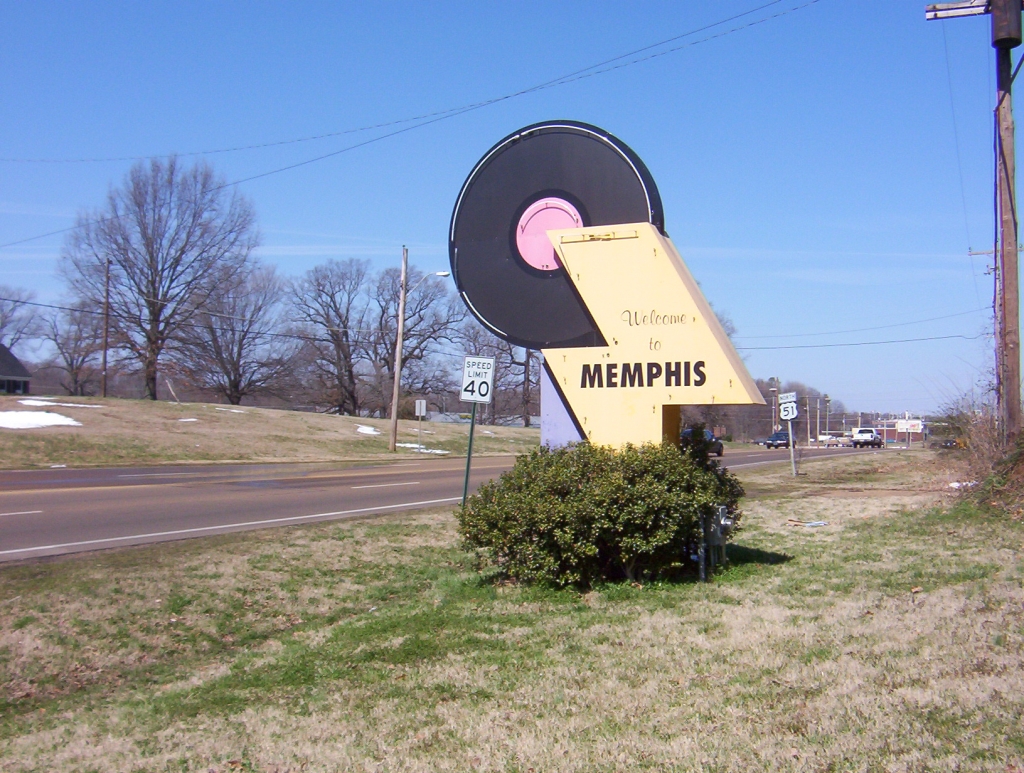




History and development
The area that became Shelby County developed during the early 19th century as settlement moved westward along the Mississippi River. Its growth reflected river commerce, later augmented by railroads and highways. Over time the county evolved from a river and agricultural economy into a diversified urban region centered on transportation, commerce and culture.
Geography and population
Shelby County occupies lowland terrain along the Mississippi River and includes a mix of urban, suburban, and rural neighborhoods. Much of the county's population is concentrated in Memphis and its immediate suburbs. Demographic patterns show a diverse community with a range of neighborhoods, business districts, and residential suburbs.
Economy and infrastructure
The county's economy relies on logistics, healthcare, education, manufacturing and tourism. Memphis is a major national logistics hub thanks to river access, interstates and a large air-freight operation. Major employers include medical centers, universities, service companies and transportation firms. Local infrastructure includes ports, rail yards and an international airport that support regional and national commerce.
Government, services and education
Shelby County government provides public safety, courts, schools and social services for residents across urban and outlying areas. The county operates alongside municipal governments; public education is delivered through county and city school systems as well as private and higher-education institutions. Local governance is typically organized around an elected executive and legislative body.
Cultural life and notable sites
The county is rich in cultural institutions and historic landmarks that draw visitors and serve residents. Notable attractions include:
- Music and entertainment venues linked to blues, soul and rock history
- Museums and historic homes commemorating local and national figures
- Riverfront parks and cultural districts that host festivals and public events
Shelby County combines urban amenities with access to river and green space, making it a focal point for commerce, culture and regional travel in southwestern Tennessee.
Related articles
Author
AlegsaOnline.com Shelby County, Tennessee — Overview and Key Facts Leandro Alegsa
URL: https://en.alegsaonline.com/art/89615