
Shelby County, Illinois: overview, history, and local features
Shelby County is a largely rural county in central Illinois centered on Shelbyville. It is noted for agriculture, outdoor recreation at Lake Shelbyville, and small-town community life.
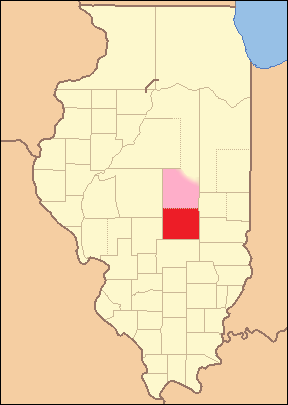
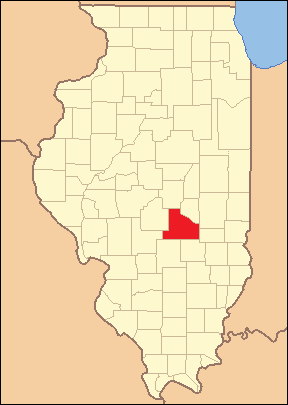
Shelby County is a county in the central part of the U.S. state Illinois. It had 22,363 residents recorded by the 2010 census. The administrative center is the county seat county government located in the city of Shelbyville, which serves as the primary local service hub for surrounding rural areas.
Image gallery
5 Images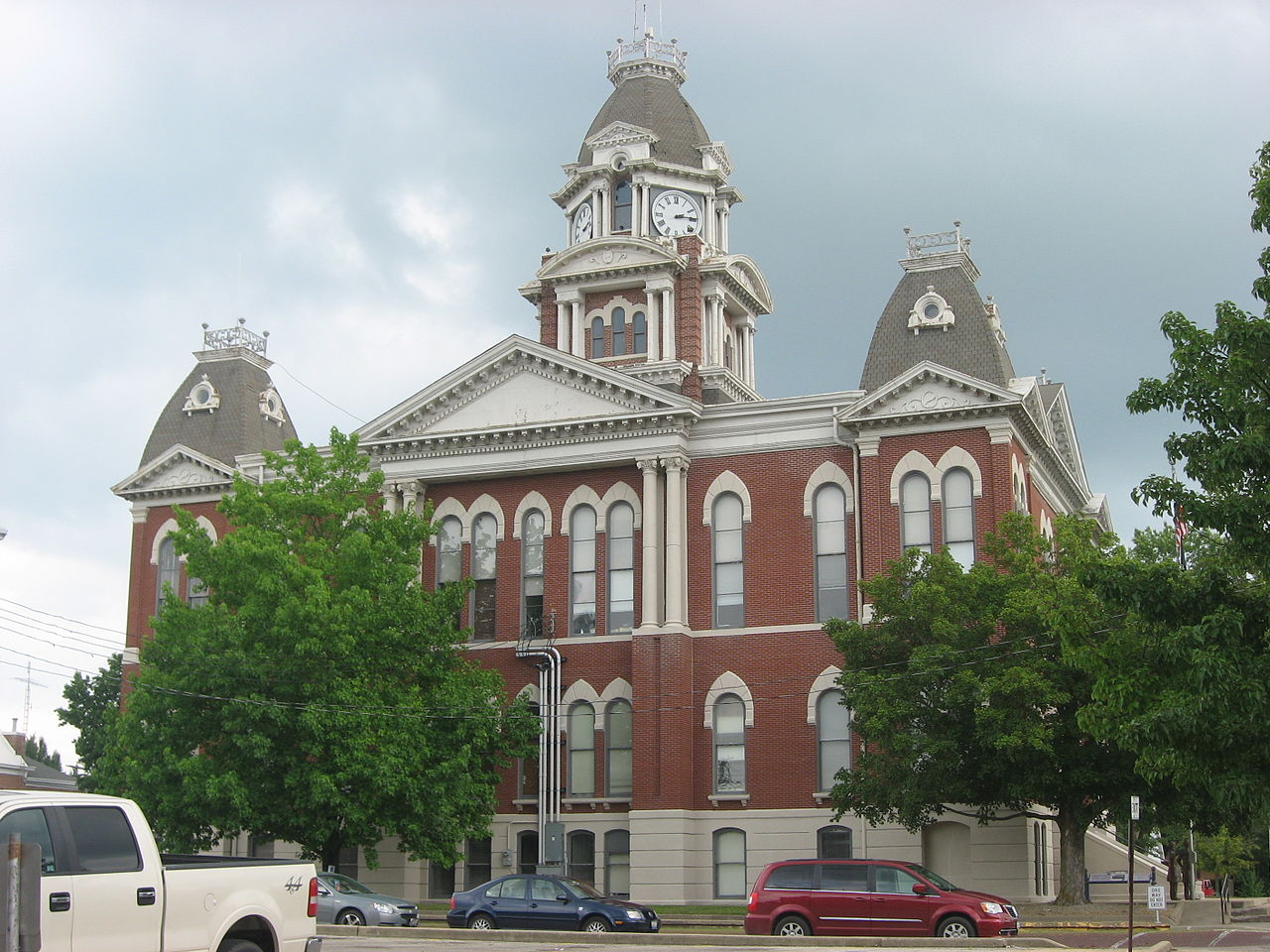


Geography and environment
The county's landscape is typical of much of downstate Illinois: cultivated fields, woodlots and gently rolling terrain. A prominent regional feature is Lake Shelbyville, a reservoir and recreation area that provides boating, fishing, camping and seasonal events. Wetlands, small streams and public conservation tracts within the county support local wildlife and offer opportunities for outdoor education and habitat protection.
History and settlement
Shelby County was organized in the early decades of Illinois statehood during the 1820s and 1830s as settlers moved westward from eastern states. The county is named for Isaac Shelby, a Revolutionary War veteran and early American governor. Early development centered on agriculture, and small towns grew at crossroads and near mills, rail stops and courthouse functions.
Government, economy, and services
The county government operates through elected officials and a county board responsible for roads, public safety, courts and local programs. Agriculture remains a primary economic activity, with corn, soybeans and livestock common on family farms and larger operations; local businesses, light manufacturing and services support the towns. Public schools, libraries, health services and volunteer organizations provide community infrastructure.
Communities and culture
- Primary community: Shelbyville, the county seat, is the focal point for civic, cultural and commercial activity.
- Rural life: Small villages and unincorporated settlements preserve local traditions and community institutions.
- Recreation: Parklands and Lake Shelbyville attract anglers, boaters and campers from the region.
- Events: County fairs, high-school sports and seasonal festivals remain important to local identity.
Researchers and visitors seeking current information should consult official county pages and regional tourism resources for details on services, regulations and recreational planning. Together these elements describe a county with deep agricultural roots, recreational assets and a network of small communities centered on Shelbyville.
Related articles
Author
AlegsaOnline.com Shelby County, Illinois: overview, history, and local features Leandro Alegsa
URL: https://en.alegsaonline.com/art/89609