
Shaukat Hayat Khan
Major Sardar Shaukat Hayat Khan (1915–1998) was a Punjabi leader of the All India Muslim League and a close aide to Muhammad Ali Jinnah during the Pakistan independence movement.
Major Sardar Shaukat Hayat Khan (1915–1998) was a prominent political figure from the Punjab province of British India and later Pakistan. He is best known for his role within the All India Muslim League and for serving as a close assistant to Muhammad Ali Jinnah during the crucial years of the Pakistan independence movement in the 1940s. His military title and the honorific "Sardar" reflected both a formal rank and a social standing that helped him operate across different circles of influence.
Image gallery
2 Images
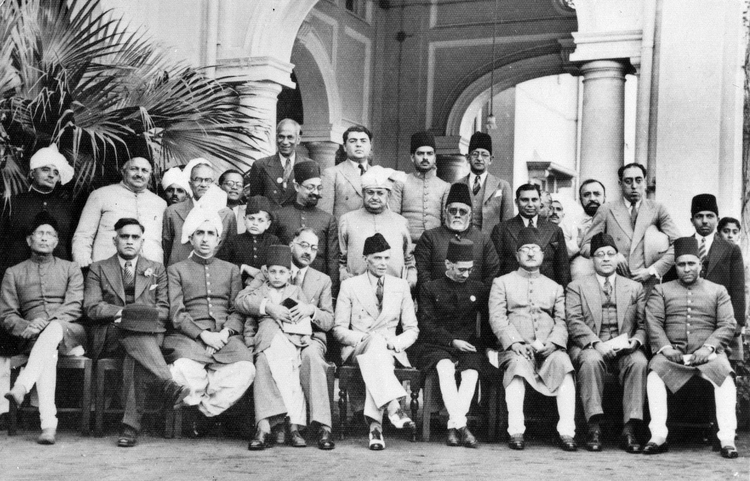
Political role and activities
Active from the early 1940s, Shaukat Hayat Khan worked to strengthen the Muslim League's position in Punjab, a province whose communal balance and electoral weight were decisive for the movement for a separate Muslim state. He played an important organizational role in mobilizing rural and urban supporters, communicating League policies, and coordinating election campaigns during the mid-1940s. His work contributed to the League's ability to claim representative authority among Muslims in British India.
Association with Muhammad Ali Jinnah
From roughly 1942–43 until independence in 1947, Khan was a trusted aide to Muhammad Ali Jinnah, the League's leader. In that capacity he assisted with political strategy, local coordination, and public outreach on behalf of the Quaid‑i‑Azam. Contemporary accounts emphasize the practical importance of provincial leaders like Khan in translating central leadership directives into effective action on the ground in Punjab and elsewhere.
Later life and legacy
After 1947, Shaukat Hayat Khan remained a recognizable figure in Pakistan's political memory. His career illustrates how a mix of social standing, military background and provincial leadership combined in a number of individuals who shaped the founding era. He died in 1998, and historians and commentators interested in the Pakistan movement often cite his example when examining the League's provincial organization and the politics of Punjab during partition.
Notable aspects
- Title and rank: the use of "Major" and "Sardar" signaled both military service and local leadership traditions.
- Provincial influence: his work in Punjab helped the Muslim League secure crucial support in a region central to the question of partition.
- Role in independence: he served as a close assistant to Muhammad Ali Jinnah during the decisive years leading up to 1947.
- Historical significance: Khan exemplifies the regional leadership that connected Jinnah's central campaign to local constituencies in British India and later Pakistan.
For further background on the political and administrative context in which Khan operated, consult sources on the history of British India, the All India Muslim League and the creation of Pakistan. Key reference points include studies of provincial politics in British India, the Pakistan movement, and post‑1947 developments in Pakistan.
Related articles
Author
AlegsaOnline.com Shaukat Hayat Khan Leandro Alegsa
URL: https://en.alegsaonline.com/art/89537