
Sheikh Mujibur Rahman — Founding Leader of Bangladesh
Biographical overview of Sheikh Mujibur Rahman, his role in Bangladesh's independence, political leadership, assassination, and legacy, including family and national remembrance.
Overview
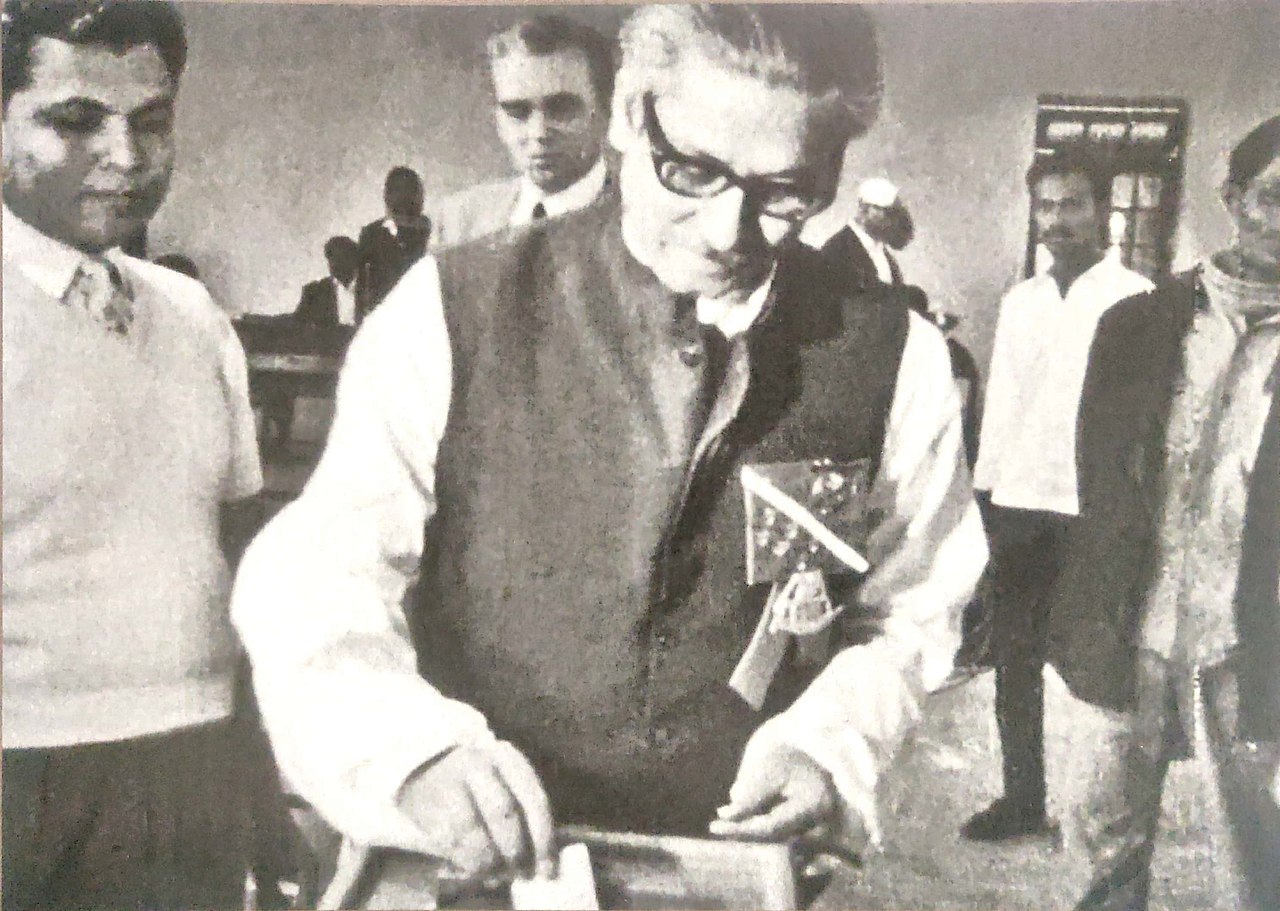
Sheikh Mujibur Rahman (17 March 1920 – 15 August 1975) was a central political figure in the movement that created the modern state of Bangladesh. Often called Bangabandhu ("Friend of Bengal"), he led the Awami League and became the country's first president and later its prime minister. His leadership during the late 1960s and 1971 made him the symbol of Bengali nationalism and statehood.
Image gallery
10 Images




Early life and political rise
Born into a Bengali Muslim family in what was then British India, Mujib entered politics as a student and rose through provincial and national levels. He became prominent in the Awami League and advocated for greater autonomy for East Pakistan. His speeches and mass mobilizations won wide popular support. He communicated in the Bengali language and became the face of regional demands in the late 1960s and after the 1970 general election.
Role in 1971 independence
Following a political standoff with the central government of Pakistan, tensions erupted into conflict in 1971. Mujib’s leadership and the political mandate his party held were pivotal in mobilizing the population for independence. The war that followed ended with the creation of an independent Bangladesh after a military surrender in December 1971.
Government, policies, and challenges
After independence Mujib returned to lead the new nation and presided over the drafting of a constitution that emphasized secularism, nationalism and social justice. His government pursued state-led reconstruction, nationalization of key industries, and efforts to create social services. The early years were marked by immense humanitarian and economic challenges, including widespread displacement, infrastructure damage and severe food shortages that tested the new administration.
Assassination and aftermath
On 15 August 1975, Mujib was assassinated at his residence during a military coup; several members of his family were also killed. Two of his daughters, including Sheikh Hasina, were abroad at the time and survived. The coup brought years of political upheaval and shifts in governance for the country.
Legacy and remembrance
Sheikh Mujibur Rahman remains a defining figure in Bangladesh’s national story. He is commemorated in monuments, public holidays and in political discourse. His portrait and memory continue to shape contemporary politics and identity in Bangladesh, and debates about his policies and their consequences remain part of the nation’s historical discussion.
- Honorific: Bangabandhu (Friend of Bengal)
- Political party: Awami League
- Key dates: Born 1920; assassinated 1975
Related articles
Author
AlegsaOnline.com Sheikh Mujibur Rahman — Founding Leader of Bangladesh Leandro Alegsa
URL: https://en.alegsaonline.com/art/89594
Sources
- britannica.com : "Mujibur Rahman"
- bhclondon.org.uk : "Father of the Nation: Bangabandhu Sheikh Mujibur Rahman"
- en.banglapedia.org : "Rahman, Bangabandhu Sheikh Mujibur"