
Zhejiang Province (east China)
Zhejiang is an economically dynamic coastal province in east China, known for its historic capital Hangzhou, the Qiantang River, Zhejiang’s manufacturing and tech hubs, scenic coastline and cultural products.
Overview
Zhejiang is a coastal province in east China with a population of roughly 64 million people. The province takes its name from the Qiantang River, often called the "Zhejiang" or "bent river" because of its winding course. Its capital is Hangzhou, a major cultural and commercial center.
Image gallery
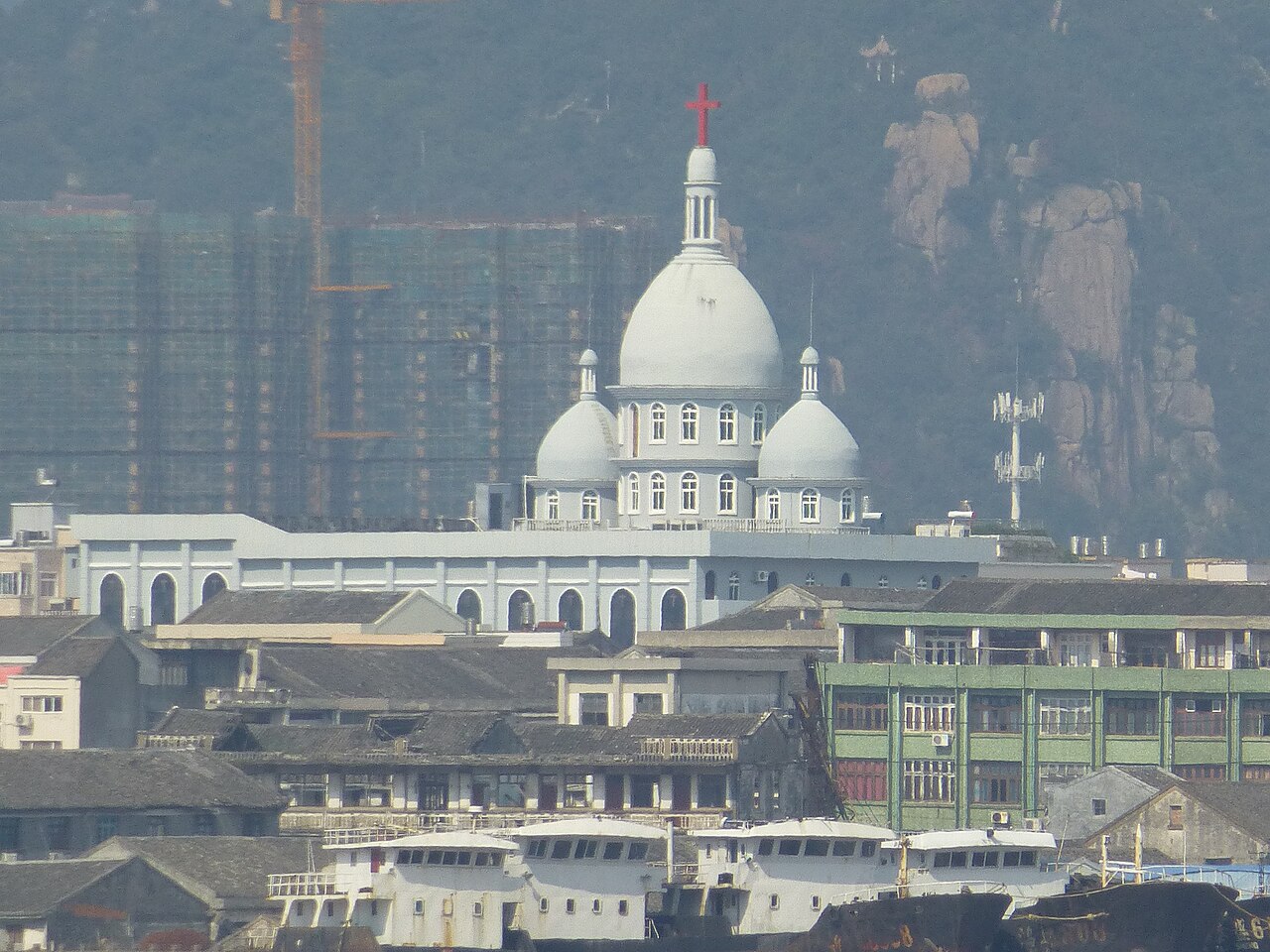
10 Images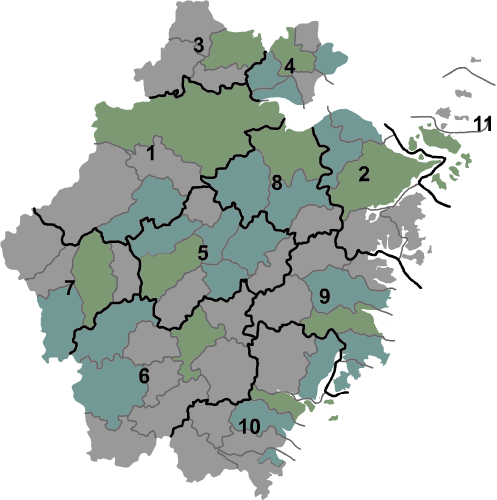




Geography and environment
Zhejiang's landscape ranges from a mountainous interior to a long, indented coastline and many islands, including the Zhoushan archipelago. The Qiantang River runs through the province and is famous for its dramatic tidal bore. Forests, rivers and coastal wetlands support diverse agriculture and fisheries.
History and development
The region has ancient roots in the Wu and Yue cultures and rose to prominence in later dynasties. Hangzhou became especially influential when it served as the Southern Song capital, shaping Zhejiang's role as a cultural and economic heartland for centuries.
Economy, industry and products
Zhejiang is one of China's wealthiest provinces by GDP per capita, noted for private entrepreneurship, manufacturing, trade and technology. It hosts major firms in e-commerce and logistics and strong small- and medium-sized enterprise networks. Traditional products include tea (famed Longjing or Dragon Well tea), silk and ceramics.
Major cities and culture
- Hangzhou — historic capital and tech hub
- Ningbo — important port and industrial center
- Wenzhou — noted for commerce and private business
- Shaoxing — known for traditional culture and waterways
Tourism and notable facts
Visitors are drawn to West Lake in Hangzhou, coastal scenery and cultural heritage sites. The province blends modern industry with historic towns, distinctive cuisine and artisanal crafts, making it a key region for both China’s economy and its cultural tourism.
Related articles
Author
AlegsaOnline.com Zhejiang Province (east China) Leandro Alegsa
URL: https://en.alegsaonline.com/art/110552