
Handel's 'Largo' (Ombra mai fu) — aria from Serse (Xerxes)
A concise encyclopedic overview of Handel's 'Largo' (Ombra mai fu): its music, origins in the opera Serse (1738), performance history, instrumentation, and lasting cultural role.
Overview
"Handel's Largo" is the popular name for the short aria commonly called "Ombra mai fu," written by George Frideric Handel for his 1738 opera Serse (English: Xerxes). Although the opera itself was not successful at the time and closed after only a few performances, this particular aria later became one of Handel's best-known melodies. The title "Ombra mai fu" are the aria's opening Italian words and are often translated as "Never was a shade" or "Never was a plant." The familiar label "Largo" stems from nineteenth-century usage; Handel's original marking for the tempo is larghetto (a little slow and solemn).
Image gallery
2 Images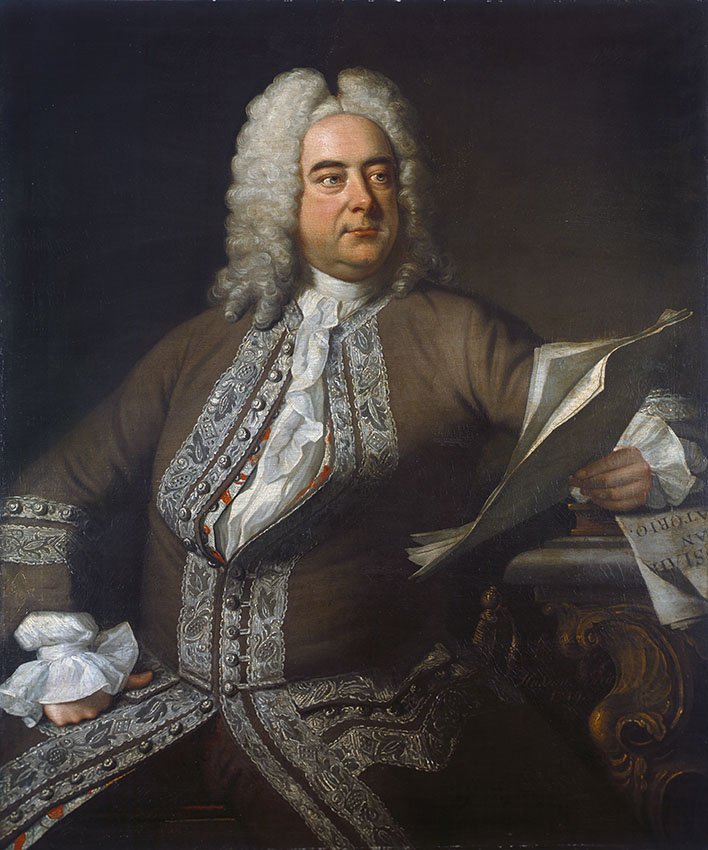

Musical characteristics
The aria is concise and formally simple, written in F major and set in 3/4 time. It runs roughly fifty bars and typically lasts about four minutes in performance. The texture is largely homophonic: a lyrical vocal line is supported by a string ensemble—first and second violins, viola and basses—creating a calm, hymnlike quality. Its clear, unornamented melody and gentle harmonic progression have made it especially adaptable to arrangements and reinterpretations.
Performance practice and arrangements
When Serse premiered the role of Xerxes would have been sung by a castrato, a practice common in Handel's day. Modern performances now assign the aria to countertenors, mezzo-sopranos, contraltos or even tenors, and it is frequently performed instrumentally. Over the centuries musicians have arranged the tune for solo piano, organ, brass ensemble, full orchestra and various chamber combinations; it also appears in choral and devotional repertory. These adaptations helped the piece move beyond the opera house into public ceremonies and recordings.
History and cultural role
Although Serse failed at its 1738 premiere and was withdrawn after only five performances, "Ombra mai fu" was rediscovered about a century later and gained widespread popularity in the nineteenth and twentieth centuries. It is often heard at solemn events such as funerals and also at weddings and commemorative services. Its tranquil mood and memorable melodic contour make it a frequent choice for processions, memorials and programming that requires a contemplative aria or instrumental interlude.
Notable facts and distinctions
"Handel's Largo" is sometimes the subject of small confusions: the popular name "Largo" is not Handel's marking, and the aria's opening phrase refers to the shade of a tree—an image of calm admiration rather than grand declamation. Despite its origins in a failed operatic work, the aria stands as one of the composer's most recognizable short pieces and a representative example of Handel's gift for tuneful, expressive vocal writing.
Further resources
- Composer biography and context
- Score and musical edition
- Handel: life and works
- Opera: Serse (Xerxes) overview
- Libretto of Serse
- Contemporary reception and premiere
- Use at funerals and memorial services
- Use at weddings and ceremonies
- Translation of "Ombra mai fu"
- Instrumentation: violins
- Instrumentation: viola
- Instrumentation: basses and continuo
- Key signature and harmonic analysis
- F major: tonal characteristics
- Time signature and tempo markings
Questions and answers
Q: What is "Handel's Largo"?
A: "Handel's Largo" is the popular title for an aria composed by George Frideric Handel.
Q: When did Handel write "Handel's Largo"?
A: Handel wrote "Handel's Largo" in 1738 for the opera Serse (English: Xerxes).
Q: Was the opera successful?
A: No, the opera was a failure. It closed after only five performances.
Q: How did "Handel's Largo" become popular?
A: "Handel's Largo" became popular one hundred years after the opera as the aria was resurrected.
Q: What occasions was "Handel's Largo" performed at?
A: "Handel's Largo" was performed at solemn occasions such as funerals and weddings.
Q: What is the meaning of the Italian title "Ombra mai fu"?
A: The title, "Ombra mai fu" means "Never was a shade".
Q: Who sings the aria in the opera and what is he doing?
A: The main character, Xerxes I of Persia, sings the aria while admiring the shade of a tree.
Related articles
Author
AlegsaOnline.com Handel's 'Largo' (Ombra mai fu) — aria from Serse (Xerxes) Leandro Alegsa
URL: https://en.alegsaonline.com/art/42178