
Secret ballot: the private method of voting and its history
A secret ballot is a voting method that preserves voter anonymity to reduce coercion and fraud. This article explains how it works, its history, common forms, and why it matters for democratic elections.
Overview
A secret ballot is a method of voting in which the choices of individual voters are kept private so that others cannot determine how any single voter voted. The principal aim is to reduce pressure, bribery, and intimidation and to protect the freedom of choice. Modern elections use a range of procedures to preserve anonymity; these are collectively described as the secret ballot approach.
Image gallery
7 Images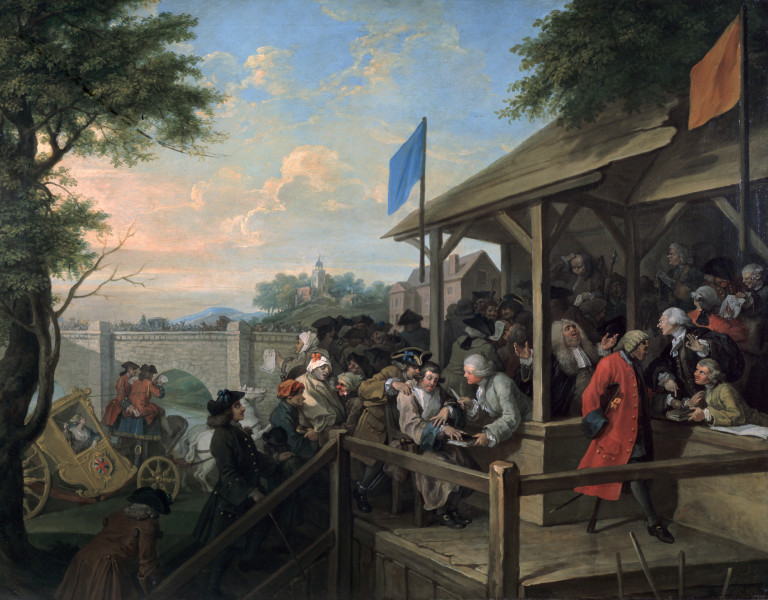



Key characteristics and how it works
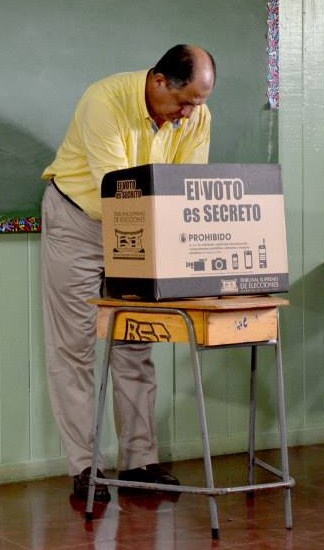
A secret ballot typically requires that voters mark their choices in private and place their ballot into a sealed container or submit it through a secure process. The simplest form is a slip of paper on which a voter writes a name or checks a box and then places the completed ballot into a sealed box to be counted later. This basic paper method is often represented by the use of blank paper and a locked receptacle. Other design elements include private voting booths, strict chain-of-custody rules for ballots, and procedures that prevent ballots from being linked to individual voters.
History and development
The idea of voting in private to limit undue influence has roots in several political reforms. For example, the French Constitution of 1795 declared that elections should be held by secret ballot. Later reforms in the 19th century promoted widespread adoption. The version of secret voting commonly used today—often called the "Australian ballot"—originated in the 19th century and spread internationally as governments sought to make bribery and coercion more difficult. Britain formally introduced secret ballots by law in the 1870s; the first use in Britain has been associated with a by-election on 15 August 1872. Notable artifacts from that era, including a sealed ballot box with a wax seal and a distinctive seal impression, are preserved in local collections such as at the Pontefract museum, with references to its wax sealing technique and the decorative liquorice stamp used to authenticate it.
Uses, variations and technology
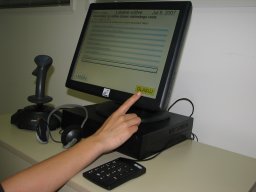
Secret ballots are compatible with many voting systems, from simple plurality votes to proportional representation and ranked-choice methods. Different technologies implement ballot secrecy in different ways: hand-marked paper ballots and optical-scan systems keep a physical record under sealed conditions, mechanical voting devices and electronic systems implement privacy by design, and research in cryptographic voting seeks to create electronic systems that offer provable anonymity and verifiability. While technology can improve efficiency, it also raises new challenges for preserving anonymity and preventing coercion.
Importance and limitations
The secret ballot is a key safeguard of electoral integrity because it helps prevent vote buying and intimidation. That protective effect is often highlighted when defenses against bribery and coercion are discussed. However, secrecy is not absolute: in small communities or public voting contexts a ballot may be traceable through observation or peculiar markings, and some jurisdictions provide exceptions for absentee or proxy voting that can weaken anonymity. The practice must therefore be supported by robust procedures and supervision to be effective.
Distinctions and notable facts
- Secret ballots differ from open or public voting (such as roll-call votes) where individual choices are recorded and announced.
- The term Australian ballot is often used historically to describe the column-printed, government-printed ballot paper introduced in several jurisdictions that standardized secrecy.
- Secret-ballot procedures can be adapted to most electoral systems; see notes on broader electoral practice and system design for examples and variations (voting systems).
For further reading about the principles, legal frameworks and contemporary challenges of anonymous voting, consult comparative studies and election-administration guidance. Practical reforms combine physical safeguards, clear procedures and, where used, secure technology to maintain voter privacy while enabling trustworthy counts.
If you want more specific historical documents or museum references, local collections and national archives often hold original artifacts and legal texts; for a general starting point see institutional summaries and museum guides (definition and overview, paper ballot examples).
Additional references and resources may be found through museum pages and public records that document the early adoption of secret-ballot practices (sealing methods, seal impressions, site exhibits), and through explanatory material addressing how secrecy helps minimize corrupt influence in elections.
Related articles
Author
AlegsaOnline.com Secret ballot: the private method of voting and its history Leandro Alegsa
URL: https://en.alegsaonline.com/art/88460