
Scouting: origins, principles, organization and activities
An overview of the Scout Movement: its origins with Robert Baden-Powell in 1907, core principles and methods, typical activities, organizational sections, and how Scouts and Guides relate worldwide.
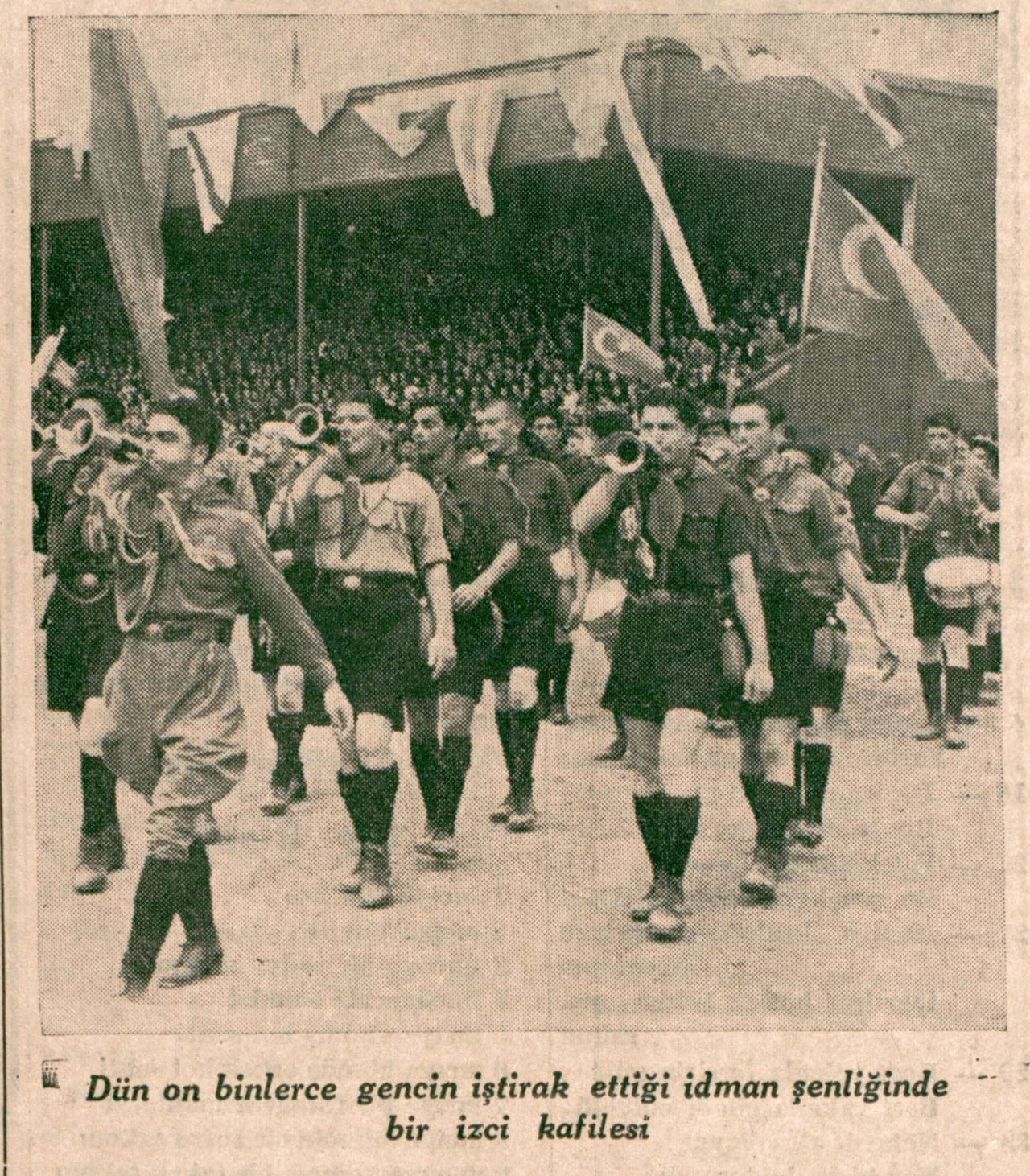
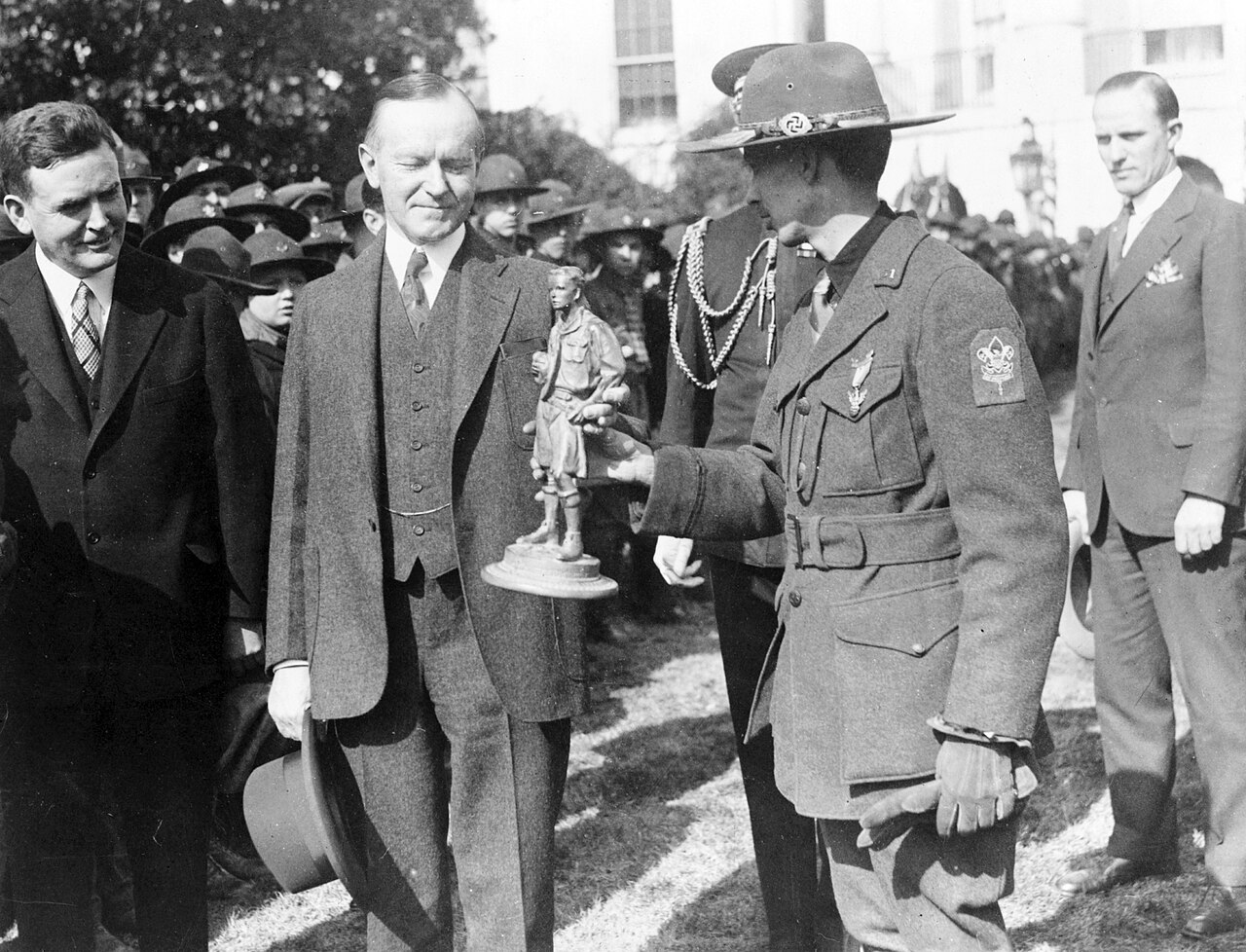
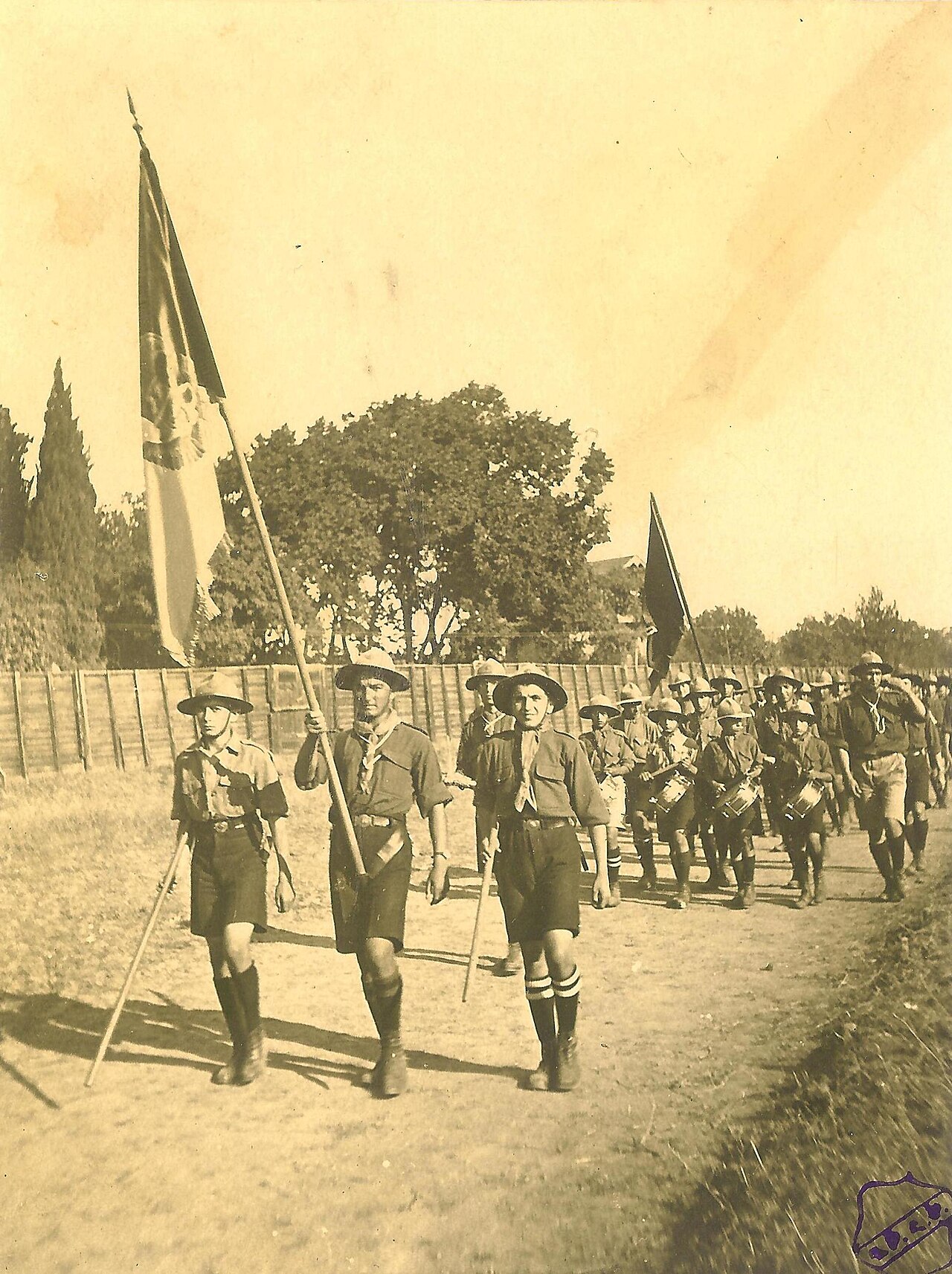
Scouting, often called the Scout Movement, is an informal educational movement for young people that emphasizes outdoor skills, teamwork, civic responsibility and personal development. Its origins are usually traced to the first experimental camp held in 1907, organized to test ideas about training youth in observation, self-reliance and practical skills. The founding figure is Robert Baden-Powell, who adapted the approach into a program that could be taught through small groups and progressive challenges.
Image gallery
10 Images




History and early influences
The concept behind Scouting drew on earlier experiences of boys participating in auxiliary roles during military conflicts. Baden-Powell's wartime work included organizing youth auxiliaries such as the Mafeking Cadet Corps, described by contemporaries as a paramilitary-style group of boys who assisted adults during the siege of Mafeking. That siege took place during the Second Boer War, and the cadets mainly acted as message runners and lookouts so regular soldiers could focus on defense. After the war, Baden-Powell repurposed lessons learned into a peacetime youth program. Within a few years similar groups for girls also formed, leading to the separate but related Girl Guides movement founded in 1910; later many national Scout associations and Guiding associations developed alongside one another.
Principles and pedagogical method
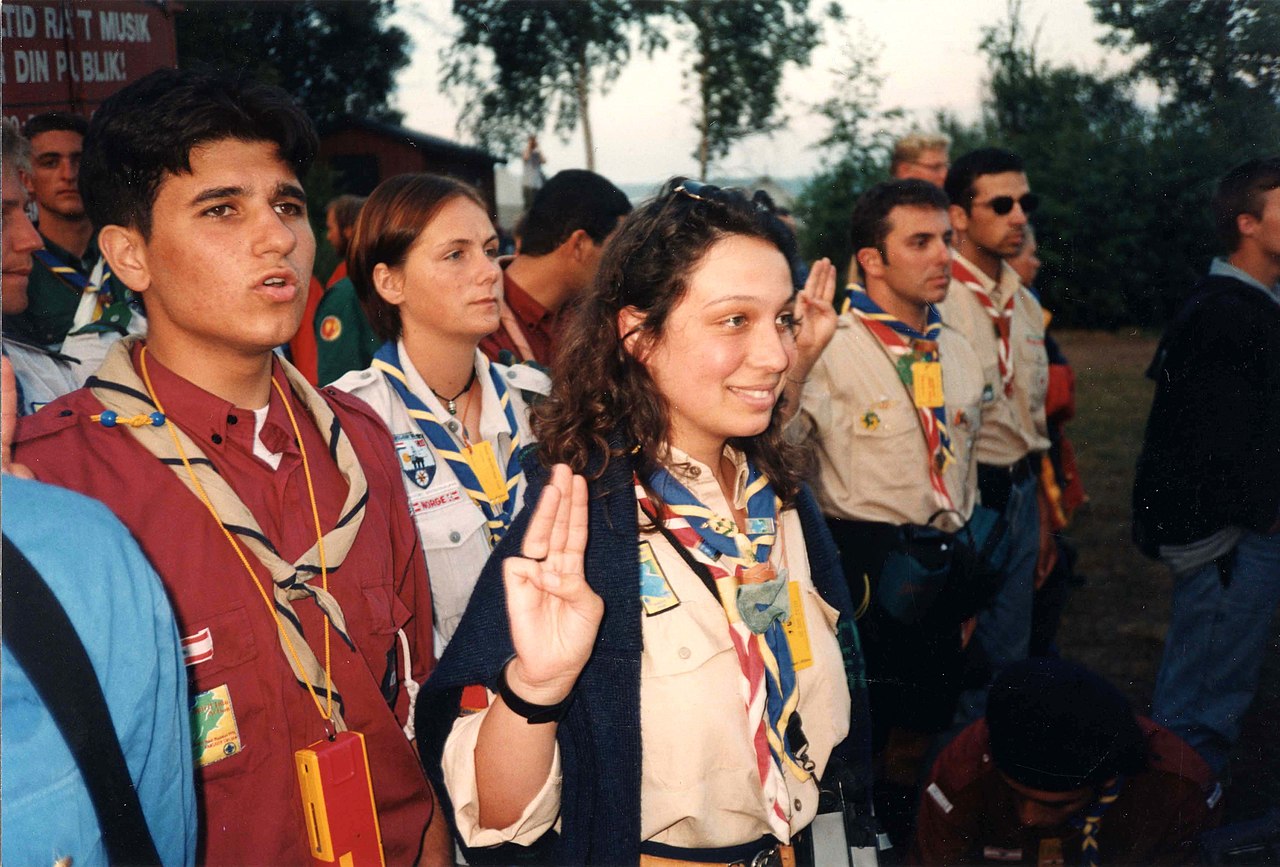
Scouting rests on a few recurring ideas: a promise and a set of laws or values, learning by doing, small-group organization (often called the patrol system), progressive achievement through badges or ranks, and regular outdoor activity. The Promise and the Scout Law are phrased differently from country to country, but they commonly encourage duty to others, honesty, helpfulness and self-discipline. Practical skills, leadership, and community service are combined with games and informal challenges to build character.
Organization and typical sections
National Scout organizations adapt the movement's structure to local culture and age ranges. Typical sections include younger units (often called Beaver or Cub Scouts), core Scout sections for pre-teens and teenagers, and older youth groups such as Venturers, Explorers or Rover Scouts. Adult volunteers serve as leaders and trainers. Achievement is commonly marked by a system of badges, patrol roles, and recognized awards that encourage skill development and responsibility.
Activities, examples and social importance
- Outdoor camping, hiking and navigation practice to develop resilience and environmental awareness.
- Practical skills such as first aid, cooking, and shelter building, often taught in a progressive way.
- Community service projects that connect Scouts with local needs and civic life.
- Leadership and teamwork exercises, including planning camps or running patrol meetings.
- International gatherings and exchanges that promote cross-cultural understanding.
Scouting has been influential in informal education worldwide. Many adults cite their Scout experience as formative for civic engagement and practical competence. Over time most Scout associations have broadened access: in many countries girls now join Scouts, while some places keep separate Guide organizations. Global coordination exists through international bodies that support cooperation, training and shared events.
Notable distinctions and contemporary notes
Though Scouting has historical links to military practice, modern Scouting is explicitly non-combatant and oriented to education. Names and programs vary: some countries use "Scouts" and "Guides" separately, others have unified organizations. The movement is flexible and locally adapted, so promises, uniforms, badge systems and age divisions differ, but the recurring aims are similar: to help young people develop character, useful skills and a sense of service.
For further reading on the movement's origins and development see the account of the 1907 experimental camp: first camp, and biographical and historical materials on Baden-Powell. Additional context about the wartime background can be found in sources describing the paramilitary youth auxiliaries, the siege of Mafeking, the Second Boer War and the roles performed by soldiers during that period.
Questions and answers
Q: What is Scouting?
A: Scouting is a youth movement that was started in 1907 by Robert Baden-Powell as a movement for boys.
Q: Where did Robert Baden-Powell get ideas for Scouting?
A: Robert Baden-Powell took many ideas from the experiences he had with the Mafeking Cadet Corps, a paramilitary group made of boys, formed during a siege in the Second Boer War.
Q: Was the Scout movement originally only for boys?
A: Yes, the Scout movement was originally only for boys.
Q: When was a similar movement for girls started?
A: A similar movement for girls, called "Girl Guides", was started in 1910.
Q: Are girls allowed in the Scouts today?
A: Yes, in most countries, the Scouts often accept girls, too.
Q: What do people learn in the Scout movement?
A: In the Scout movement, people learn to work together to achieve a goal and train their character to become better adults.
Q: What promise do Scouts give and what do they do?
A: Scouts give a promise to live by certain rules and to help others when they can. Scouts spend their time outdoors whenever possible.
Related articles
Author
AlegsaOnline.com Scouting: origins, principles, organization and activities Leandro Alegsa
URL: https://en.alegsaonline.com/art/88169
Sources
- scout.org : "Scouting around the World – Scouting elsewhere"
- pinetreeweb.com : Lessons from the varsity of life
- books.google.com : "Veteran Scout"
- britishbattles.com : "The Siege of Mafeking" · archive.is
- scouting.milestones.btinternet.co.uk : scouting.milestones.btinternet.co.uk/cadets.htm
- scouting.org.za : "The Mafeking Cadets"
- npg.org.uk : "Robert Baden-Powell: Defender of Mafeking and Founder of the Boy Scouts and the Girl Guides"