
Sir Thaddeus (Pan Tadeusz): Adam Mickiewicz's Polish national epic
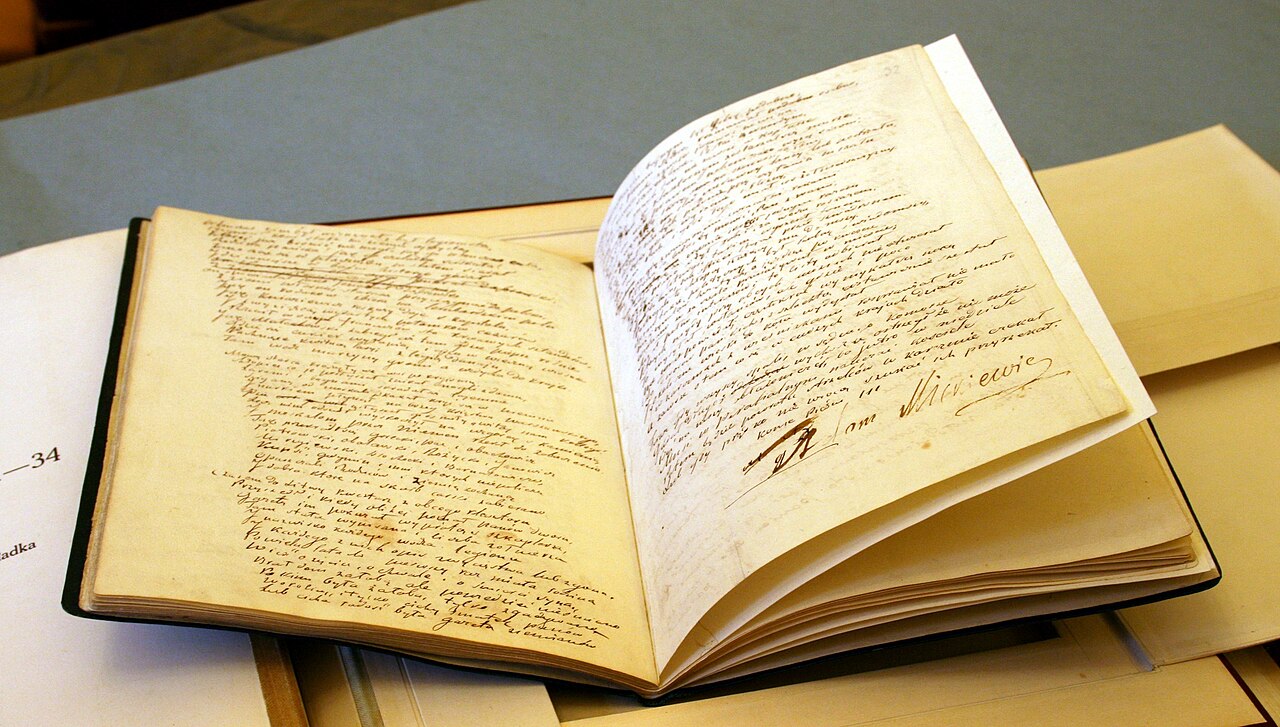
Pan Tadeusz (Sir Thaddeus) is a long Polish narrative poem by Adam Mickiewicz, first published in Paris (1834). It combines romance, noble feuds and Napoleonic-era patriotism and is central to Polish literature.
Overview
Sir Thaddeus, originally Pan Tadeusz, is a long narrative poem by the Polish Romantic poet Adam Mickiewicz. Written in Polish and composed while the author lived abroad, it is widely regarded as a national epic for Poland and Lithuanian lands once united in the Polish–Lithuanian Commonwealth. The work frames a personal family story against the larger political moment on the eve of Napoleon's campaign.
Image gallery
9 Images




Plot and principal characters
The narrative is set in the years 1811–1812 and follows the intertwined fortunes of two noble houses, the Soplicas and the Horeszkos. The young nobleman Tadeusz (Thaddeus) Soplica returns home and becomes involved in a long-standing family feud. Central to the resolution are his relationship with the heiress Zosia (often translated as Sophia) and events that draw local gentry into conflict with occupying Russian forces. In the poem the private quarrel is ultimately reconciled by marriage, while episodes of local resistance link personal reconciliation to national hopes.
Structure and form
Pan Tadeusz is presented in twelve books of verse. Mickiewicz employs a thirteen-syllable line common in Polish poetic tradition (the Polish alexandrines often called trzynastozgłoskowiec). The poem opens with the famous invocation, beginning in Polish: "Litwo! Ojczyzno moja!" — an expression of nostalgic attachment to the author's homeland. The tone shifts between intimate domestic scenes, comic and ceremonial episodes, and moments of patriotic urgency.
Themes and literary style
Major themes include exile and memory, the duties and follies of the gentry, the idealization of rural life, and the hope that foreign political events may restore national independence. Mickiewicz blends Romantic lyricism with detailed social observation: there are scenes of feasting, hunting, legal quarrels, and military skirmishes, presented with both warmth and irony. The poem's language and set-pieces helped define Polish Romantic taste and national self-image.
Historical context and publication
The action is framed by the approaching Napoleonic campaign that would attempt to dislodge imperial Russia — a context that raises hopes for the restoration of Polish sovereignty. References to Napoleon and his policies appear as background to the characters' expectations. Mickiewicz wrote and published the poem while living in exile; it first appeared in print in Paris in 1834, at a time when many Polish patriots and intellectuals were dispersed across Europe. The author himself came from the eastern territories of the former commonwealth and frequently called that region his native land; he lived in exile in France when the poem was released.
Reception and legacy
From its first publication Pan Tadeusz was embraced as a foundational work of Polish literature and is often described as a national epic. It is taught widely in schools, quoted in public life, and has inspired dramatic and cinematic adaptations. Scholars often point to the poem as a key expression of Polish Romanticism and to its author as one of the central figures of that movement; Mickiewicz is frequently identified as a leading Polish Romantic voice.
Notable elements and distinctions
- The poem combines intimate family drama with broader political hopes tied to Napoleon's 1812 campaign and the larger question of Polish independence (the invasion of Russia is the historical backdrop).
- Its thirteen-syllable metre and vivid descriptive passages helped set a lasting standard for Polish verse.
- Although rooted in local custom and comedy, the work's concluding reconciliation has been read symbolically as a call for national unity.
Today Pan Tadeusz remains a frequent subject of literary study and public quotation in Poland and among Polish communities abroad. Its opening lines, characters, and scenes continue to serve as touchstones for discussions of homeland, memory and the cultural role of literature in times of political loss and hope.
Adam Mickiewicz and his poem are often referenced in discussions of exile literature and the ways national identity is preserved through language and narrative. For readers approaching the text, the work offers both a tightly observed portrait of gentry life and a broader meditation on the fate of nations caught between great-power conflicts and the private affairs of their citizens.
Questions and answers
Q: Who wrote the poem Sir Thaddeus, or the Last Lithuanian Foray?
A: The poem was written by Polish romantic poet Adam Mickiewicz.
Q: When was the poem Sir Thaddeus, or the Last Lithuanian Foray first published?
A: The poem was first published in Paris in 1834.
Q: What is Sir Thaddeus about?
A: Sir Thaddeus is a story of a conflict between two noble families, the Soplicas and the Horeszkos.
Q: When is the time period in which Sir Thaddeus takes place?
A: The time is 1811 and 1812, shortly before Napoleon invaded Russia.
Q: How does the conflict between the families end in Sir Thaddeus?
A: The conflict between the families was ended with the marriage of Thaddeus Soplica and Sophia Horeszko.
Q: Why did Adam Mickiewicz call Lithuania his mother-country?
A: Adam Mickiewicz was born in the East of the former Polish-Lithuanian state and because of that he called Lithuania his mother-country.
Q: What is the metre of the poem Sir Thaddeus?
A: The poem is written in 13-syllable metre, very common in Polish literature.
Related articles
Author
AlegsaOnline.com Sir Thaddeus (Pan Tadeusz): Adam Mickiewicz's Polish national epic Leandro Alegsa
URL: https://en.alegsaonline.com/art/90744