
Scottish Terrier (Aberdeen Terrier)
A compact, dignified terrier from Scotland noted for its distinctive silhouette, wiry coat and independent temperament; historically a vermin hunter and today a companion, show, and working dog.
Overview
The Scottish Terrier, often called the Aberdeen Terrier, is a small, sturdy dog breed that originated in Scotland. It is one of several terrier breeds developed there and is especially recognizable for its compact body, short legs, distinctive long head and characteristic beard and brows. While historically bred to hunt ground-dwelling vermin, the breed is now commonly kept as a companion animal and shown in conformation events.
Image gallery
10 Images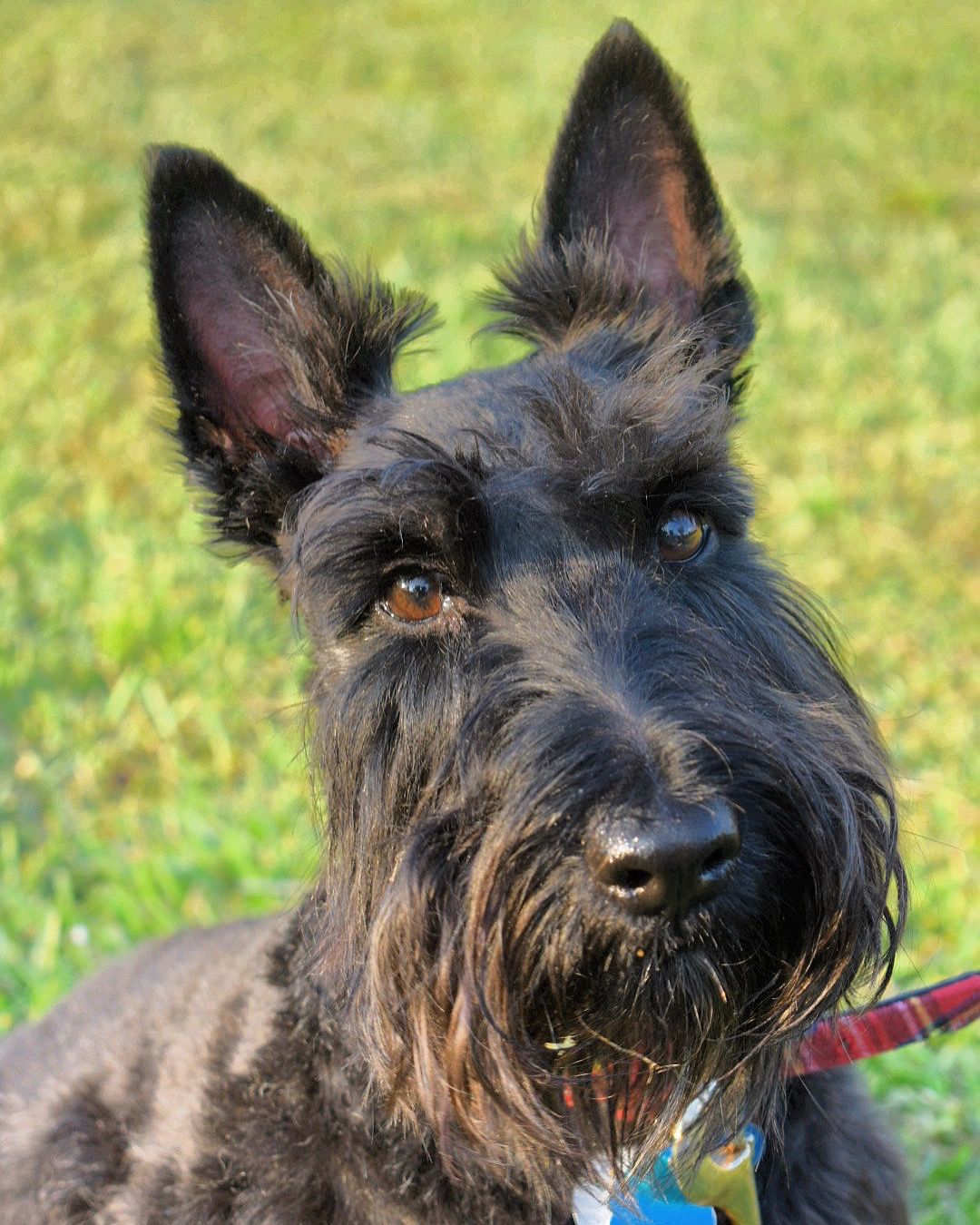




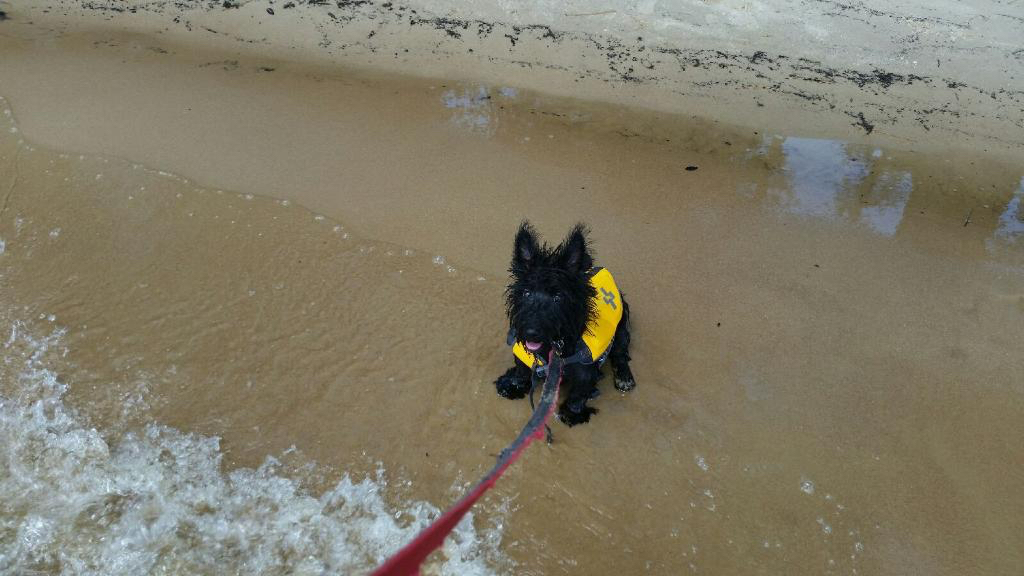

Appearance and characteristics
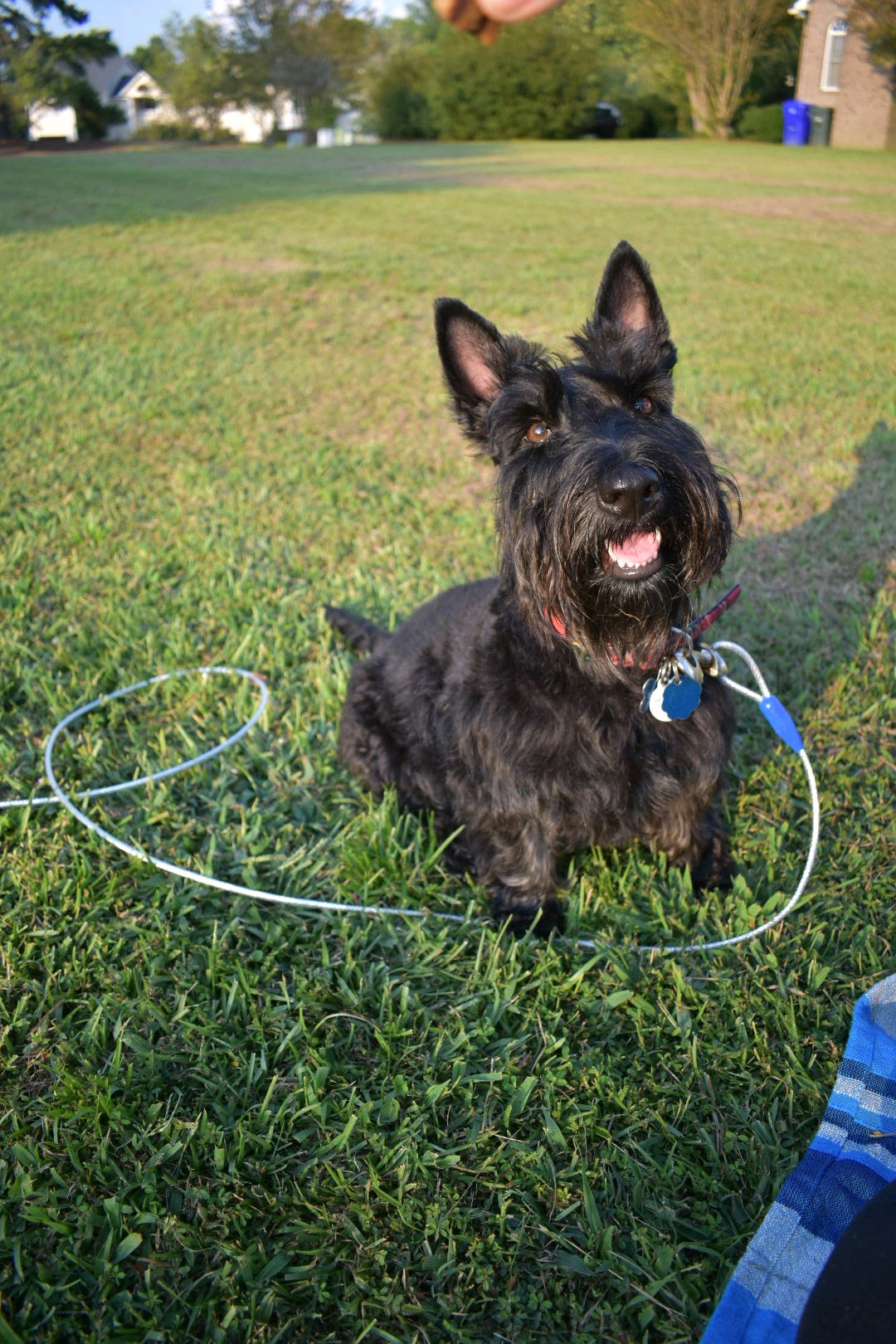
Scottish Terriers combine a robust bone structure with a weather-resistant, double-type coat. Typical features include a dense, harsh outer coat and a softer undercoat; a rectangular head with pronounced eyebrows and beard; erect ears; and a medium-length tail carried upright. Their movement is steady and determined, reflecting their working-terrier heritage.
- Size: small and compact, built low to the ground but muscular.
- Coat: wiry topcoat with soft undercoat; colors commonly include black, brindle, or wheaten.
- Temperament: independent, confident, alert, and often loyal to a single household.
History and development
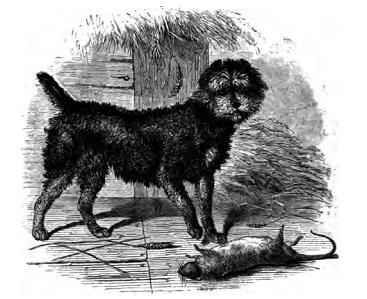
Scottish Terriers were developed in the Scottish Highlands and Lowlands from a variety of hunting terriers used to control foxes and other burrowing animals. During the 19th century, dog fanciers began to standardize the type, and the Scottish Terrier became established as a distinct breed. It is one of the five terrier breeds associated with Scotland alongside the Skye, Cairn, Dandie Dinmont and West Highland White Terrier, and is often mentioned in lists of terrier breeds with shared origins.
Care, training and uses
Although compact, Scottish Terriers require regular grooming to maintain their wiry coat—hand-stripping or clipping plus periodic brushing helps keep the coat healthy and tidy. They have moderate exercise needs: daily walks and play are usually sufficient, but they retain a strong prey drive and enjoy activities that engage their scenting and digging instincts. Training benefits from consistency and patience, as their independent nature can make them less eager to follow commands than some more people-oriented breeds.
Health, lifespan and notable facts
Scottish Terriers typically live into their pre-teen years, though lifespan varies with care and genetics. As a purebred population, the breed has a small number of hereditary conditions that breeders and owners watch for; one well-known, breed-associated movement disorder is often referred to informally as "Scottie cramp." Prospective owners should seek breeders who perform appropriate health screening and maintain contact with breed clubs or veterinary professionals for guidance.
Role and cultural presence
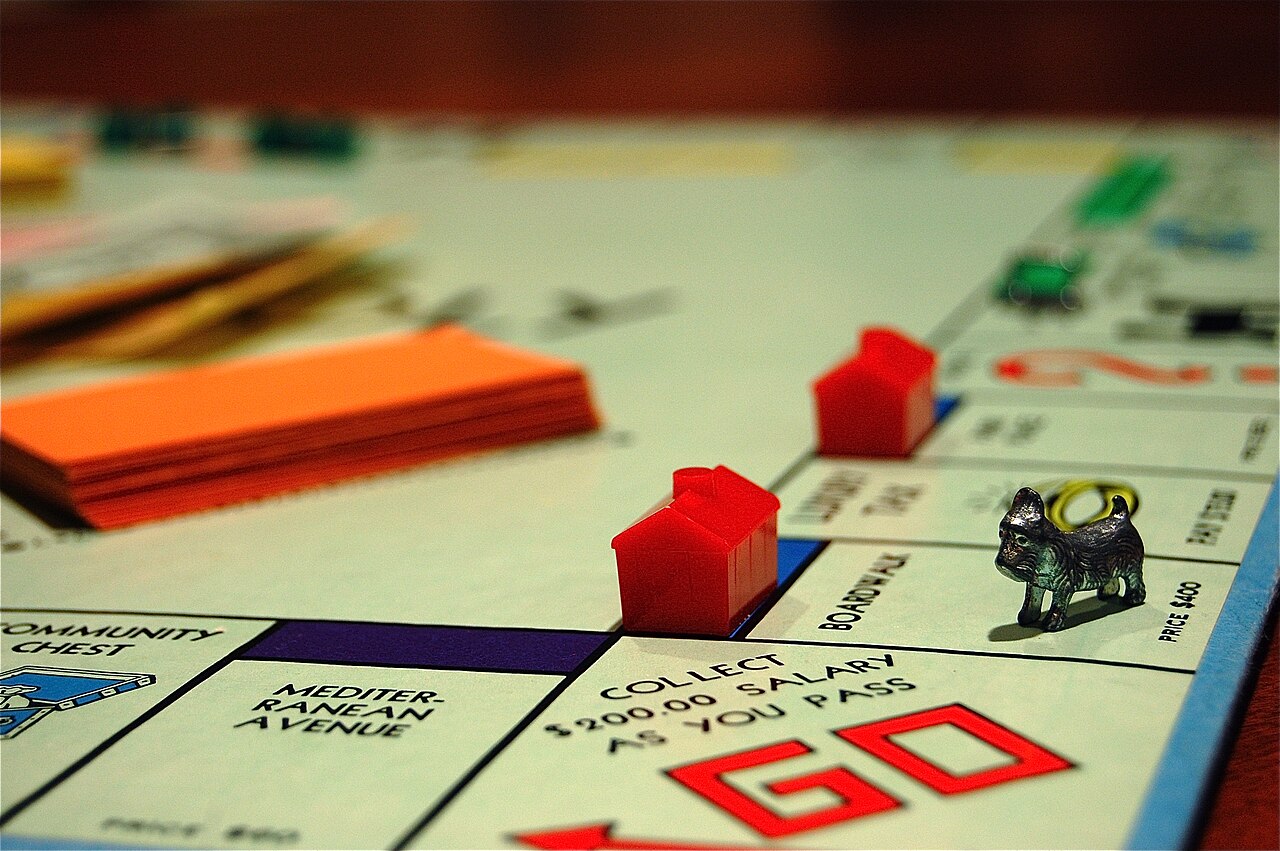
Beyond the household, Scottish Terriers have been prominent in dog shows and occasionally in popular culture. Their dignified bearing and distinctive silhouette make them a recognizable symbol of traditional terrier traits: courage, independence, and tenacity. Whether kept as a companion, shown in conformation rings, or employed in limited working roles, the breed remains valued for its compact power and personality.
Related articles
Author
AlegsaOnline.com Scottish Terrier (Aberdeen Terrier) Leandro Alegsa
URL: https://en.alegsaonline.com/art/88150