
Schwende District (Appenzell Innerrhoden, Switzerland)
Schwende District is a rural administrative district in the canton of Appenzell Innerrhoden, Switzerland, known for its pre-Alpine landscape, farming and cheese traditions, local customs, and outdoor recreation.
Overview
Schwende District is an administrative district in the canton of Appenzell Innerrhoden located in northeastern Switzerland. It occupies a largely rural, pre‑Alpine area characterized by rolling meadows, pastures and small villages. The district functions as a local unit for municipal services and community life within the canton; detailed information is available from the district or cantonal authorities via the district information page.

Image gallery
7 Images


Geography and economy
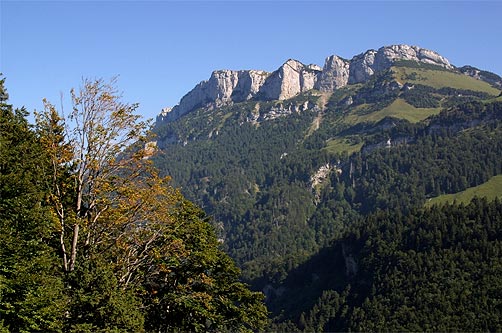
Terrain in Schwende is typical of the Appenzell region: green mountain slopes, scattered forests and alpine pastures used for seasonal grazing. The local economy is traditionally based on agriculture — notably dairy farming and cheese production — complemented by small businesses and tourism. Hiking, winter walking and rural tourism bring visitors to the area, supporting guesthouses and local crafts.
History and administration
The district's roots go back to medieval alpine communities and parish structures that developed into today's local administration. Appenzell Innerrhoden itself has a distinct history within Switzerland; Schwende participates in cantonal institutions and customary assemblies that reflect the region's communal traditions. For broader historical context see the canton entry for Appenzell Innerrhoden.

Culture, traditions and significance
Schwende shares many cultural traits with the wider Appenzell area: traditional dress, folk music such as yodeling, and alpine cheese styles that are widely recognized. Community events, local customs and small-scale agriculture preserve a strong sense of place. The district matters today as a guardian of rural heritage, a destination for nature-based recreation and a component of cantonal governance.
Practical notes
- Visitors can explore farm trails, local cheese dairies and village museums.
- Services and public records are coordinated through cantonal and district offices; check the official district site for administrative contacts and visitor information via the district link.
- Travel to the area is typically by regional roads and public transport connections from larger Swiss towns.
Related articles
Author
AlegsaOnline.com Schwende District (Appenzell Innerrhoden, Switzerland) Leandro Alegsa
URL: https://en.alegsaonline.com/art/88012