
Schwandorf (district)
Schwandorf is a rural district in the Upper Palatinate region of Bavaria, Germany. It combines agricultural landscapes, river valleys and small towns with local industry and cultural traditions.
Schwandorf is a rural district in southeastern Germany. It is administered from the town of Schwandorf and lies within the Bavarian region of the Upper Palatinate. The district is commonly described as a mix of small urban centres and open countryside; its entry in regional directories is often shown as Schwandorf district, within Bavaria and the federal state of Germany.
Image gallery
1 Image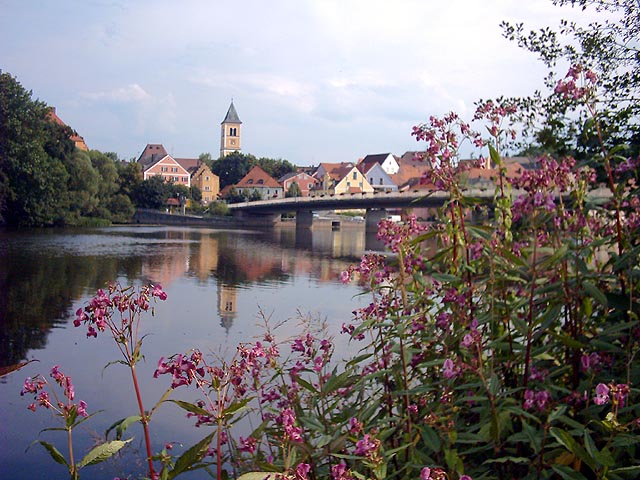
Geography and landscape
The district is characterised by gently rolling hills, river valleys and areas of woodland. Several waterways cross the region and contribute to fertile river plains and wetlands that support farming and recreation. Much of the land remains rural, with fields, pastures and forested tracts forming the dominant land cover.
Administration and communities
Schwandorf is governed as a Landkreis (rural district) and includes a number of towns and smaller municipalities. Local administration handles services such as planning, schools and regional roads. Economically the area combines agriculture and forestry with small and medium-sized enterprises in manufacturing, trade and services.
History and development
The area has long-standing settlement traces from medieval times, reflected in village patterns and historic town centres. Like other Bavarian districts, Schwandorf underwent territorial and administrative reforms in the 20th century that shaped its present borders and municipal structure. Historic industry and transport links influenced the growth of local towns.
Culture, tourism and notable features
Local culture reflects Upper Palatinate traditions: regional dialects, folk events and seasonal festivals persist in towns and villages. Visitors are attracted by countryside walks, riverside trails and historical buildings. The district offers opportunities for outdoor recreation, local food specialities and small museum collections.
Practical information
- Transport: regional roads and rail links connect Schwandorf to neighbouring centres and make it accessible for commuters and visitors.
- Economy: a mix of agriculture, forestry and SMEs supports the local labour market.
- Distinctive quality: rural character combined with a network of small towns and transport connections.
For official and up-to-date administrative information consult regional sources and the district’s own publications. The district’s position within Bavaria and Germany situates it within national systems of local government and regional planning.
Related articles
Author
AlegsaOnline.com Schwandorf (district) Leandro Alegsa
URL: https://en.alegsaonline.com/art/87993
Sources
- statistikdaten.bayern.de : "Fortschreibung des Bevölkerungsstandes"
- commons.wikimedia.org : Landkreis Schwandorf
- tools.wmflabs.org : 49°20′N 12°10′E / 49.33°N 12.17°E / 49.33; 12.17