
Music school (conservatory): overview, types, curriculum and roles
A concise guide to music schools and conservatories: definitions, types, curricula, historical background, training methods, career outcomes, facilities and distinctions between institutions.
A music school, often called a conservatory, academy or college of music, is an institution dedicated to teaching musical skills and knowledge. Terminology varies by region; for example in American English the word conservatory is common, while in Australian English the form conservatorium may be used. Some schools serve as degree-granting higher-education institutions, others operate as part of a general school curriculum, and many exist independently to provide private lessons and community programs.
Image gallery
9 Images


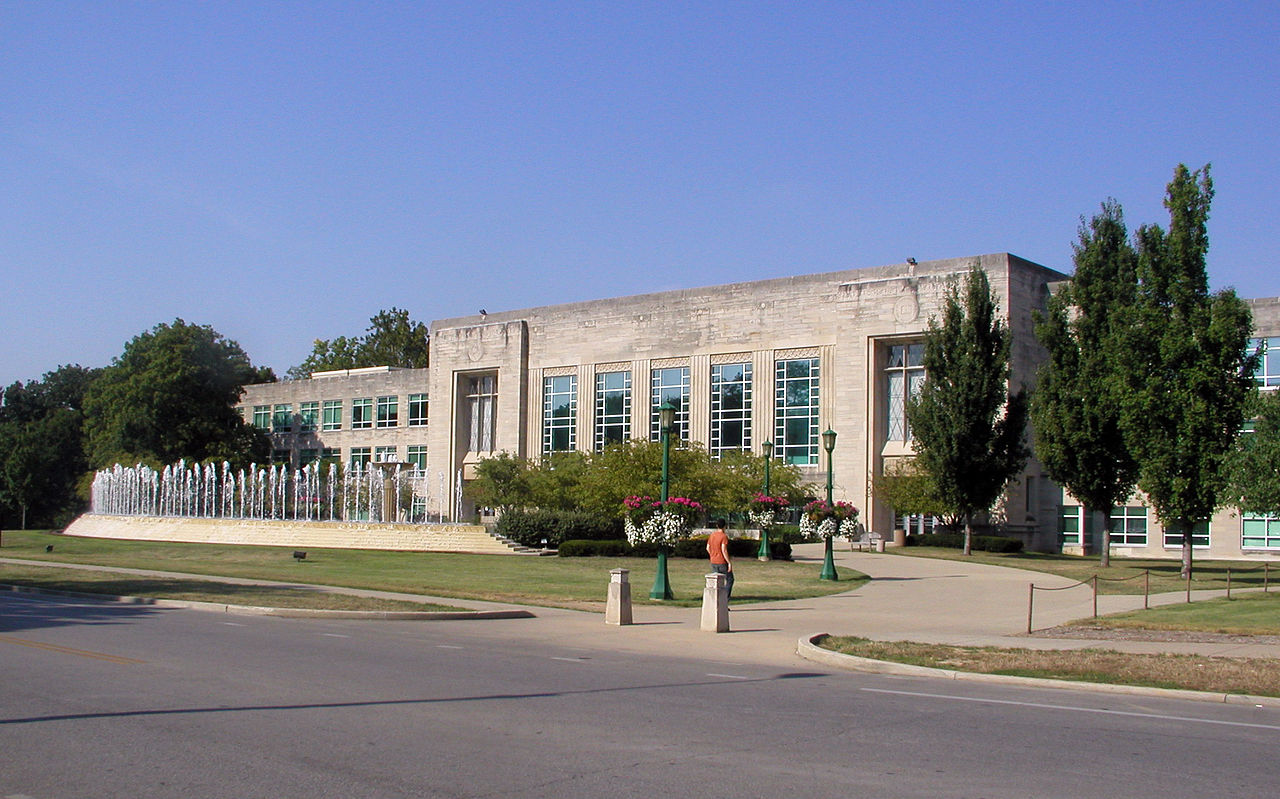


Types and levels
Music education is delivered through several distinct types of institutions:
- Degree-granting conservatories and university departments — specialised schools or college-level programs focused on preparing professional performers, composers and scholars. These programs are sometimes described as university-grade training and typically award bachelor, master or doctoral degrees.
- Secondary and pre-college programs — music-focused high schools or affiliated pre-college divisions that integrate instrumental and vocal lessons with general schooling; many conservatories run such preparatory departments.
- Community and independent music schools — local organizations, associations or theatre-linked schools offering private lessons, ensemble coaching and adult classes separate from mainstream schooling.
Typical curriculum and instruction
Most music schools combine one-to-one instruction with classroom study and ensemble work. Core areas commonly include:
- Applied performance (instrumental study and practice, including instrument technique)
- Vocal studies and pedagogy (singing)
- Composition and arranging (composition)
- Musicology, history and analysis (music theory)
- Ensemble training: orchestras, choirs, chamber groups and opera workshops
- Contemporary subjects: music technology, recording, pedagogy and entrepreneurship
Admission, qualifications and careers
Admission to professional schools frequently requires an audition and academic review. Successful students may earn diplomas, certificates or academic degrees; advanced conservatory training can lead to careers as soloists, orchestral players, conductors, composers, teachers, researchers or music producers. Many institutions also provide continuing education for hobbyists and adult learners.
History, methods and cultural role
The conservatory model traces its roots to European traditions of specialist music instruction and institutional associations with opera houses, churches and civic music bodies. Over time conservatories evolved to include formal curricula and examinations. At younger ages, pedagogical approaches such as the Suzuki, Kodály and Orff methods are widely used to teach fundamentals. Beyond professional training, music schools play an important cultural role: they host concerts, support local ensembles, run outreach projects and preserve musical traditions.
Facilities and distinguishing features
A typical music school contains practice rooms, recital halls, libraries, recording studios and instrument workshops. Distinctions to note: conservatories usually emphasize intensive performance training and shorter, specialist courses; university music departments often balance performance with broader academic study and research. Community schools prioritise accessibility and lifelong learning over career preparation. Together, these varied institutions form a continuum of musical education, from beginner lessons to terminal professional degrees.
For further reading on terminology, institutional models and program examples consult specialist education resources and national conservatory associations via the links above.
Related articles
Author
AlegsaOnline.com Music school (conservatory): overview, types, curriculum and roles Leandro Alegsa
URL: https://en.alegsaonline.com/art/87950