
Schaumburg (district, Lower Saxony)
Schaumburg is a rural district (Landkreis) in Lower Saxony, Germany, known for its mixed landscape, historic principalities, small towns and cultural landmarks including palaces and medieval castles.
Schaumburg is a Landkreis or district in the state of Lower Saxony, located in northwestern Germany. The district combines rural countryside, small urban centres and heritage sites that reflect its long local history. Administratively it functions as a local government unit responsible for services such as secondary roads, schools and social welfare across a number of towns and municipalities; the term district (Landkreis) is used for this level of regional authority in Germany.
Image gallery
2 Images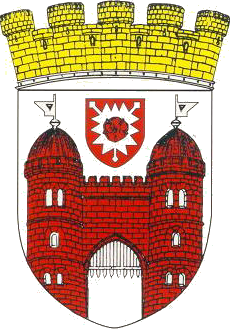

Geography and settlements
Schaumburg occupies a patchwork of gently rolling hills, river valleys and agricultural land typical of the northwestern German plain and the nearby Weser Uplands. The district contains several small towns that serve as economic and cultural centres. Stadthagen is the administrative seat, while other well-known towns include Bückeburg and Rinteln, which attract visitors for their historic cores and local services.
History and identity
The region of Schaumburg takes its name from medieval territorial entities such as the County and later the principality historically associated with local dynasties. Over centuries the area developed distinctive local institutions and built notable castles and palaces. In the modern era these historical territories were integrated into the federal state system and the district structure that exists today, preserving much of the cultural identity tied to its princely and feudal past.
Economy, culture and attractions
The district economy is mixed: agriculture and forestry remain important in rural parts, while small and medium-sized enterprises support manufacturing, crafts and local services. Tourism also plays a role, drawing people to historic houses, pastoral landscapes and outdoor recreation. Notable points of interest include princely palaces, medieval castle ruins and walking routes through nearby uplands and river landscapes.
Notable towns and features
- Stadthagen – administrative centre with civic buildings and local cultural events.
- Bückeburg – known for a princely palace and parkland open to visitors.
- Rinteln – traditional market town with a historic centre and access to valley walks.
Schaumburg is often visited for its combination of historical architecture and accessible countryside. It represents a regional example of how smaller German districts balance heritage conservation, local economic life and the delivery of public services within the federal framework.
Related articles
Author
AlegsaOnline.com Schaumburg (district, Lower Saxony) Leandro Alegsa
URL: https://en.alegsaonline.com/art/87841