
Schlatt-Haslen — district in Appenzell Innerrhoden, Switzerland
Rural electoral district in the Swiss canton of Appenzell Innerrhoden, formed in 1872 from the rhode Schlatt and the village Haslen; noted for pastoral landscapes, traditional architecture and local customs.
Overview
Schlatt-Haslen is a small rural district in the canton of Appenzell Innerrhoden in Switzerland. It occupies a patchwork of hamlets, farmsteads and alpine meadows. The district combines a largely agricultural economy with a strong sense of local identity and customary practice.

Image gallery
6 Images



Geography and settlements
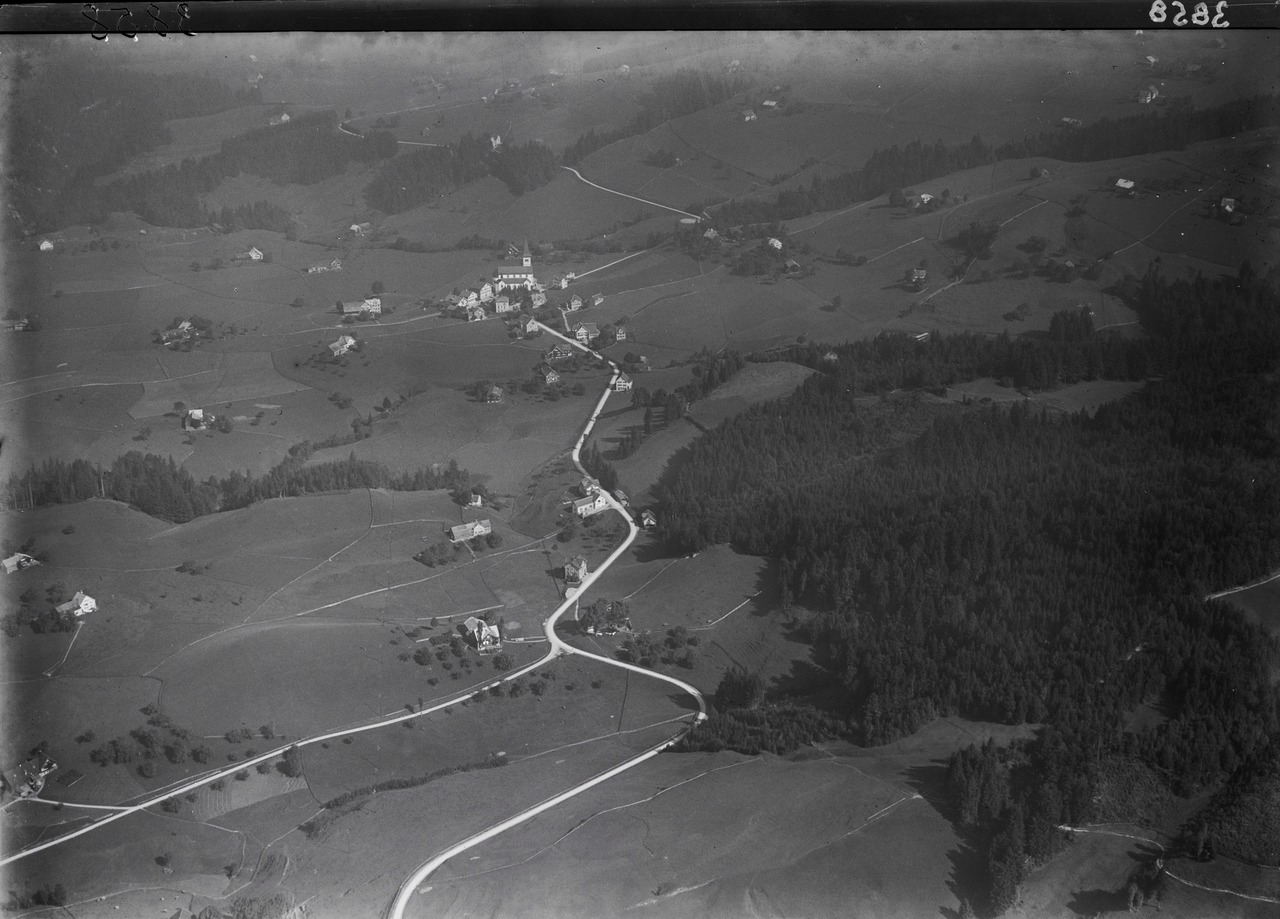
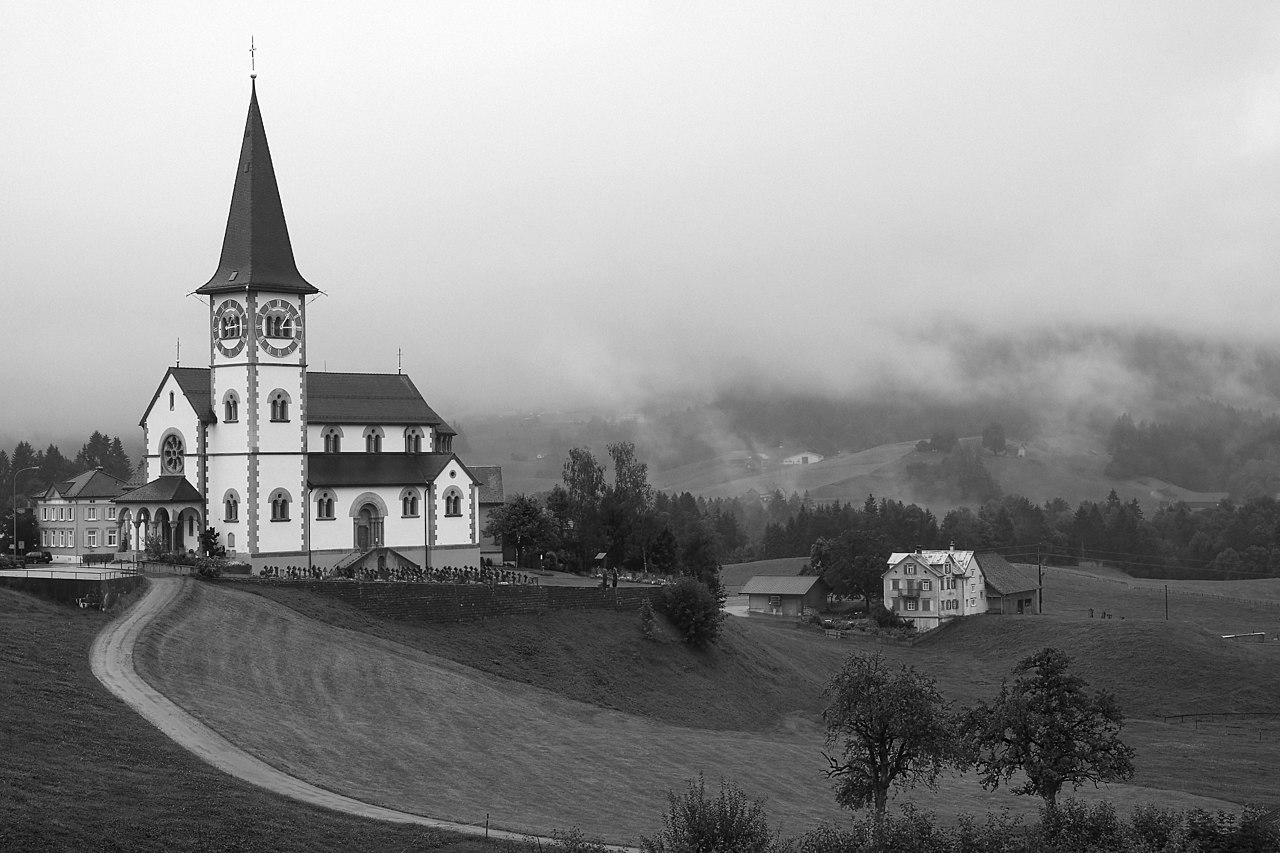
The area is characterised by rolling pastures, wooded slopes and compact village cores. Settlements are dispersed rather than densely urban, with traditional houses and painted facades typical of the Appenzell region. Trails and secondary roads link the farms to nearby market centres and to the canton’s capital.

History
Administratively Schlatt-Haslen was created in 1872 when the local rhode known as Schlatt and the village of Haslen were combined. This formation reflects the canton’s historic pattern of small communal units or rhoden, which continue to influence local governance and cultural organisation.
Economy and land use
Farming and alpine dairying remain central: cattle grazing, hay production and small-scale cheese-making are common. Woodwork, local crafts and hospitality services tied to hiking and rural tourism supplement incomes. Land use emphasizes pasture and forest conservation rather than intensive development.
Culture, attractions and public life
Schlatt-Haslen shares in Appenzell’s folkloric traditions: local music, seasonal festivals and often brightly painted homes. Visitors are drawn to scenic walks, historic chapels and the region’s rural architecture. Civic life is shaped by cantonal customs, including participatory assemblies and community events.
Distinguishing features
- Small-scale, community-oriented administration typical of Appenzell Innerrhoden.
- A landscape principally devoted to pasture, marked by traditional farmsteads.
- Continuing cultural practices and local crafts that attract cultural tourism.
Related articles
Author
AlegsaOnline.com Schlatt-Haslen — district in Appenzell Innerrhoden, Switzerland Leandro Alegsa
URL: https://en.alegsaonline.com/art/87888